
How To Cook Steak In Slow Cooker On Low [GUIDE]
Cooking steak in a slow cooker is a method that transforms a humble cut of meat into a tender, flavorful dish with minimal effort. While traditional methods like grilling or pan-searing give steaks a quick, browned exterior, slow cooking allows the meat to slowly absorb flavors, break down connective tissues, and achieve a melt-in-your-mouth texture that is hard to replicate elsewhere. This technique is especially useful for tougher cuts like chuck, round, or brisket, which can be challenging to cook perfectly on a stovetop. The slow cooker becomes a magic vessel where low, consistent heat works gradually, turning even economical cuts into a sumptuous meal, perfect for weeknight dinners, family gatherings, or meal prep.
Contents
- 1 How Long To Cook Steak In Slow Cooker On Low
- 2 How To Tell If It Is Done
- 3 Ingredients Needed
- 4 How To Cook Steak In Slow Cooker On Low
- 5 When Things Go Wrong
- 6 Expert Tips
- 7 Can I Do This Without A Slow Cooker?
- 8 Reheating Leftovers In Slow Cooker
- 9 FAQs
- 9.1 Can I Cook Any Type Of Steak In A Slow Cooker On Low?
- 9.2 How Long Should I Cook Steak On Low In A Slow Cooker?
- 9.3 Do I Need To Sear The Steak Before Slow Cooking It?
- 9.4 What Liquid Should I Use In A Slow Cooker For Steak?
- 9.5 Can I Add Vegetables While Cooking Steak In A Slow Cooker?
- 9.6 How Do I Prevent Steak From Becoming Dry In A Slow Cooker?
- 9.7 Do I Need To Season Steak Before Slow Cooking It?
- 9.8 Can I Use Frozen Steak In A Slow Cooker On Low?
- 9.9 How Do I Know When Steak Is Done In A Slow Cooker?
- 9.10 Can I Make A Sauce Or Gravy From Slow-cooked Steak Drippings?
How Long To Cook Steak In Slow Cooker On Low
Time is crucial when cooking steak in a slow cooker. Cooking on the ’low’ setting is ideal because it allows the meat fibers to break down gently without drying out. Generally, a steak will take 6 to 8 hours on low, depending on the cut and thickness.
- Thin cuts (½ to 1 inch): 4-6 hours may suffice.
- Thicker or tougher cuts (1.5 to 2 inches): 7-8 hours ensures tenderness.
Patience is essential; the slow, gentle heat is what makes a slow-cooked steak exceptionally tender. Trying to rush the process by using high heat often results in unevenly cooked or chewy meat.
How To Tell If It Is Done
Unlike pan-seared steak, slow-cooked steak won’t have a crisp crust or visual indicators like a seared edge. To check doneness:
- Fork Test: Insert a fork into the thickest part. If it slides in easily and the meat starts to fall apart, it’s done.
-
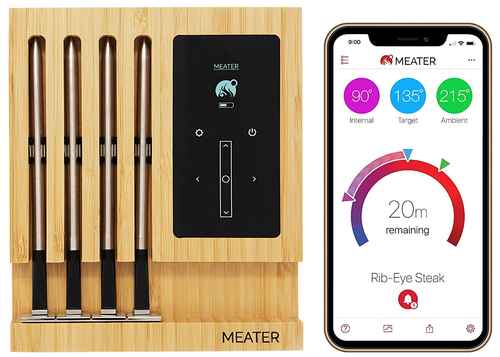
Internal Temperature: Use a meat thermometer. For slow-cooked steak, the target temperature is typically:
- Medium-rare: 130-135°F (54-57°C)
- Medium: 140-145°F (60-63°C)
- Medium-well: 150-155°F (66-68°C)
- Texture Check: Tug a small piece of meat apart; it should feel tender but not mushy.
Because slow cooking is forgiving, it’s better to slightly overcook than undercook. The connective tissue will gelatinize, adding richness to the sauce or broth.
Ingredients Needed
A simple yet flavorful slow-cooked steak requires just a few key ingredients:
- Steak: Chuck, round, or sirloin (1.5-2 lbs)
- Liquid: Beef broth, stock, or a combination of broth and a small amount of red wine (1-2 cups)
- Vegetables (optional but recommended): Carrots, onions, potatoes, mushrooms
- Seasonings: Salt, pepper, garlic powder, onion powder, paprika, fresh herbs like thyme or rosemary
- Extras: Worcestershire sauce, soy sauce, or balsamic vinegar for depth of flavor
These ingredients create a rich environment for the steak, helping it absorb moisture and develop complex flavors.
How To Cook Steak In Slow Cooker On Low
- Prepare the Steak: Season the steak generously with salt, pepper, and other spices. Optional: Sear in a hot skillet for 2-3 minutes per side to enhance flavor.
- Layer Ingredients: Place vegetables (if using) at the bottom of the slow cooker. Add the steak on top. Pour in the liquid, ensuring the steak is partially submerged.
- Set and Cook: Cover the slow cooker and set it to low. Cook for 6-8 hours, checking occasionally for liquid levels.
- Finish: Remove the steak and let it rest for 10-15 minutes before slicing. Use the cooking liquid as a flavorful sauce or gravy.
When Things Go Wrong
Even slow cooking can encounter hiccups:
- Steak is dry: Likely overcooked or lacking sufficient liquid. Next time, ensure the meat is partially submerged and avoid high heat.
- Meat is tough: Could indicate undercooking or a very lean cut. Extend the cooking time slightly or choose a cut with more marbling.
- Sauce too thin: Remove the lid near the end and let it reduce, or thicken with a cornstarch slurry.
- Overly salty: Dilute with water or unsalted broth before serving.
Understanding these common mistakes can help you adjust in real-time and perfect your slow-cooked steak.
Expert Tips
- Searing isn’t mandatory, but it’s transformative: Even a brief sear adds caramelized flavor that enhances the slow-cooked richness.
- Use cuts with marbling: Marbled fat breaks down beautifully in slow cooking, making the steak tender and juicy.
- Don’t lift the lid constantly: Slow cookers lose heat quickly, extending cooking time unnecessarily.
- Layer strategically: Denser vegetables go on the bottom, closer to the heat source.
- Resting is key: Allowing steak to rest after cooking locks in juices and improves texture.
Can I Do This Without A Slow Cooker?
Yes. If you don’t have a slow cooker:
- Oven Braising: Preheat oven to 275°F (135°C). Place steak in a covered roasting pan with liquid and cook for 3-5 hours.
- Stovetop Simmer: Use a heavy-bottomed pot, cover, and cook over very low heat for 3-4 hours, checking occasionally.
Both methods mimic the gentle, consistent heat of a slow cooker, though you may need to monitor temperature and liquid levels more closely.
Reheating Leftovers In Slow Cooker
Leftover steak can be reheated without losing moisture:
- Slice or leave whole, place in slow cooker.
- Add a splash of broth or cooking liquid to prevent drying.
- Heat on low for 1-2 hours until warmed through.
- Avoid high heat; it can toughen the meat.
This method keeps the steak tender while infusing it with residual flavors from the original cooking.
FAQs
Can I Cook Any Type Of Steak In A Slow Cooker On Low?
Slow cookers are best suited for tougher cuts of steak such as chuck, round, or brisket because these cuts benefit from long, slow cooking that breaks down connective tissue. Tender cuts like ribeye or filet mignon may become overcooked and lose their texture.
How Long Should I Cook Steak On Low In A Slow Cooker?
Typically, steaks should be cooked on low for 6 to 8 hours, depending on thickness and cut. Larger or tougher cuts may need up to 10 hours, while smaller pieces may be done in 5-6 hours.
Do I Need To Sear The Steak Before Slow Cooking It?
Searing is optional but recommended. Browning the steak in a hot pan before placing it in the slow cooker adds depth of flavor through the Maillard reaction and helps retain juices.
What Liquid Should I Use In A Slow Cooker For Steak?
You can use beef broth, wine, water, or a combination, often enhanced with aromatics like onions, garlic, and herbs. The liquid should be enough to cover the bottom of the slow cooker but does not need to submerge the steak entirely.
Can I Add Vegetables While Cooking Steak In A Slow Cooker?
Yes, root vegetables such as carrots, potatoes, and onions cook well with steak on low. Harder vegetables should go in at the start, while softer vegetables like zucchini or bell peppers should be added in the last hour to avoid overcooking.
How Do I Prevent Steak From Becoming Dry In A Slow Cooker?
Use enough liquid, cook on low rather than high, avoid overcooking, and consider wrapping the steak in foil or adding a cover layer of vegetables to retain moisture.
Do I Need To Season Steak Before Slow Cooking It?
Yes, seasoning with salt, pepper, and other herbs or spices before cooking enhances flavor. You can also marinate the steak for a few hours beforehand to further tenderize it and add depth.
Can I Use Frozen Steak In A Slow Cooker On Low?
It is generally not recommended to cook frozen steak directly in a slow cooker because it may remain in the danger zone temperature range for too long, increasing the risk of bacterial growth. Thaw the steak first for safe and even cooking.
How Do I Know When Steak Is Done In A Slow Cooker?
Steak in a slow cooker is usually considered done when it is tender and easily pulls apart with a fork. You can also use a meat thermometer; tougher cuts cooked on low often reach 190-205°F for maximum tenderness.
Can I Make A Sauce Or Gravy From Slow-cooked Steak Drippings?
Yes, after removing the steak, strain the cooking liquid, skim excess fat, and reduce it on the stovetop. You can thicken it with a cornstarch or flour slurry to create a rich gravy to serve with the steak.