
How To Make Fajitas In Slow Cooker [GUIDE]
Fajitas have long been celebrated as one of the most versatile and flavorful staples of Tex-Mex cuisine. Traditionally sizzling on a hot skillet, the combination of marinated strips of meat, colorful bell peppers, and tender onions served in soft tortillas creates a harmony of textures and tastes that has captivated palates worldwide. Yet, while the stovetop method yields that trademark charred edge, a slow cooker approach offers a different kind of magic-an effortless, hands-off method that transforms the ingredients into deeply infused, melt-in-your-mouth perfection. Slow-cooked fajitas are ideal for busy weeknights, dinner parties, or meal prep, allowing the flavors to meld over hours while freeing you from constant attention. This guide explores the meticulous art of slow cooker fajitas, covering everything from timing and ingredient selection to troubleshooting and reheating, ensuring your slow-cooked fajitas are nothing short of spectacular.
Contents
- 1 How Long To Make Fajitas In Slow Cooker
- 2 How To Tell If It Is Done
- 3 Ingredients Needed
- 4 How To Make Fajitas In Slow Cooker
- 5 When Things Go Wrong
- 6 Expert Tips
- 7 Can I Do This Without A Slow Cooker?
- 8 Reheating Leftovers In Slow Cooker
- 9 FAQs
- 9.1 Can I Make Fajitas In A Slow Cooker?
- 9.2 What Type Of Meat Works Best For Slow Cooker Fajitas?
- 9.3 Do I Need To Sear The Meat Before Adding It To The Slow Cooker?
- 9.4 Which Vegetables Are Best For Slow Cooker Fajitas?
- 9.5 How Long Should I Cook Fajitas In A Slow Cooker?
- 9.6 What Seasonings Should I Use For Slow Cooker Fajitas?
- 9.7 Can I Make Fajitas In A Slow Cooker Without Adding Liquid?
- 9.8 How Do I Prevent Vegetables From Becoming Too Mushy?
- 9.9 Can I Freeze Slow Cooker Fajitas For Later Use?
- 9.10 What Is The Best Way To Serve Slow Cooker Fajitas?
How Long To Make Fajitas In Slow Cooker
Timing is the cornerstone of slow cooker success. For fajitas, the cooking duration depends on the type of meat and your preferred texture. Chicken breasts or thighs usually require 4 to 6 hours on low heat or 2 to 3 hours on high heat, resulting in juicy, tender meat that pulls apart easily. Beef, particularly flank steak or skirt steak, benefits from 6 to 8 hours on low or 3 to 4 hours on high, allowing the connective tissue to break down and yield a tender, flavorful result. Overcooking, however, can lead to dry or stringy meat, especially in the case of lean chicken. Vegetables, which are typically added later in the cooking process, require far less time; bell peppers and onions usually need only 30-60 minutes on low to retain their texture without becoming mushy. Understanding these subtle timing nuances is essential for balancing the perfect tenderness of meat with the bright crunch of fresh vegetables.
How To Tell If It Is Done
Determining doneness in slow cooker fajitas relies on both visual cues and texture. For meat, it should be fork-tender and easily shreddable-resistant yet yielding under gentle pressure. Chicken is safely cooked at 165°F internal temperature, while beef should reach 145°F for medium-rare or 160°F for medium. The vegetables, while softening in the heat, should remain vibrant and slightly crisp, offering contrast to the succulent meat. The aroma is also a strong indicator; slow-cooked fajitas exude a rich, spiced fragrance that signals the melding of flavors. If the meat still resists flaking or the vegetables are overly firm, additional cooking time in short increments may be necessary.
Ingredients Needed
The beauty of slow cooker fajitas lies in the simplicity and flexibility of ingredients. A classic recipe typically calls for:
Proteins
- 1.5-2 pounds of chicken breasts, chicken thighs, flank steak, or skirt steak
Vegetables
- 2-3 bell peppers (red, yellow, and green for color variety), sliced
- 1 large onion, thinly sliced
Seasonings & Marinade
- 3 cloves garlic, minced
- 2 teaspoons chili powder
- 1 teaspoon smoked paprika
- 1 teaspoon ground cumin
- ½ teaspoon cayenne pepper (optional for heat)
- Salt and black pepper to taste
- Juice of 1 lime
- 2 tablespoons olive oil or vegetable oil
- ½ cup chicken or beef broth
Optional Additions
- Sliced jalapeños for heat
- Fresh cilantro for garnish
- Soft flour or corn tortillas
- Sour cream, guacamole, shredded cheese, or salsa for serving
The ingredients are straightforward, but the interplay between spices, citrus, and slow cooking is what elevates this dish to something truly memorable.
How To Make Fajitas In Slow Cooker
- Prepare the meat and marinade: Combine spices, garlic, lime juice, and oil in a bowl. Rub the mixture thoroughly over the meat to ensure even flavor penetration. Marinate for at least 30 minutes, or overnight for maximum depth.
- Layer the ingredients: Place the marinated meat in the bottom of the slow cooker. Pour broth over the meat to maintain moisture.
- Cook slowly: Cover and cook on low for 4-8 hours depending on the meat type, or on high for 2-4 hours. Avoid opening the lid too often, as this can prolong cooking time.
- Add vegetables: About 30-60 minutes before the end of cooking, layer in the sliced bell peppers and onions. This ensures they remain tender-crisp.
- Finish and serve: Once cooked, remove the meat and slice or shred it. Mix with vegetables, warm tortillas, and serve with desired toppings.
When Things Go Wrong
Even the most experienced cooks encounter slow cooker mishaps. Common issues include:
- Dry meat: Often caused by overcooking, especially lean chicken. Solution: use thicker cuts, add extra broth, or switch to low heat for a gentler cook.
- Mushy vegetables: Occurs when added too early. Always add vegetables later in the process.
- Under-seasoned flavors: Slow cooking can mellow spices. Taste and adjust seasoning at the end. A splash of lime juice or a sprinkle of fresh cilantro can revive the dish.
- Too much liquid: Slow cookers trap moisture, so avoid excessive broth, which can lead to soggy meat and diluted flavor.
Expert Tips
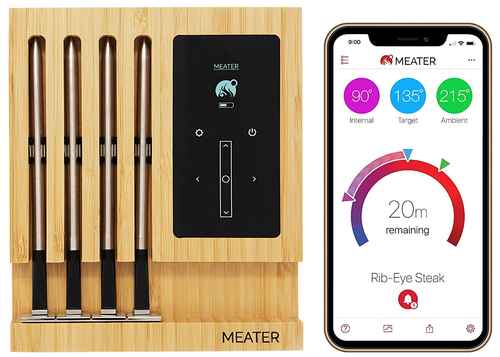
- Use a meat thermometer: It guarantees perfect doneness, avoiding over or undercooking.
- Marinate overnight: Enhances flavor penetration and ensures juicy results.
- Sear meat first (optional): Browning before slow cooking adds a layer of caramelized flavor.
- Layering technique: Place meat at the bottom and vegetables on top to avoid overcooking.
- Avoid lifting the lid: Each time you remove it, heat escapes, extending cooking time.
Can I Do This Without A Slow Cooker?
Absolutely. Fajitas can be made on a stovetop or in the oven:
- Stovetop: Sear meat in a hot skillet for 4-6 minutes per side until cooked through, then sauté vegetables separately for 5-7 minutes until tender-crisp. Combine before serving.
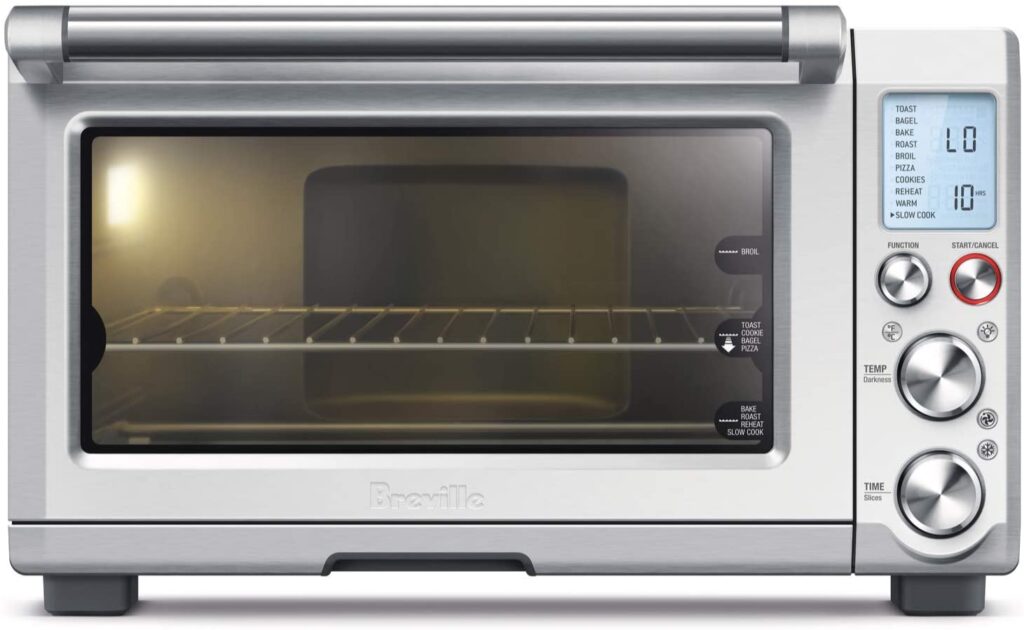
- Oven: Preheat to 350°F (175°C). Place marinated meat in a baking dish, cover, and bake for 25-40 minutes depending on cut. Add vegetables in the last 10-15 minutes.
While these methods are faster, they lack the depth of flavor achieved through long, slow cooking.
Reheating Leftovers In Slow Cooker
Slow cookers are excellent for reheating without drying out food. Simply:
- Transfer leftovers to the slow cooker.
- Add a splash of broth or lime juice to maintain moisture.
- Heat on low for 1-2 hours or high for 30-45 minutes, stirring occasionally.
This method preserves tenderness and allows the flavors to reblend, often tasting even better the next day.
FAQs
Can I Make Fajitas In A Slow Cooker?
Yes, slow cookers are excellent for making fajitas because they allow the meat and vegetables to cook slowly, developing deep flavors without constant supervision.
What Type Of Meat Works Best For Slow Cooker Fajitas?
Chicken breasts or thighs, beef skirt steak, and flank steak are all ideal choices. Chicken becomes tender and juicy, while beef cuts develop rich, hearty flavors over slow cooking.
Do I Need To Sear The Meat Before Adding It To The Slow Cooker?
Searing is optional but recommended. Browning the meat before slow cooking enhances flavor through the Maillard reaction and helps the meat retain texture during cooking.
Which Vegetables Are Best For Slow Cooker Fajitas?
Bell peppers and onions are the classic choice. You can also add mushrooms, zucchini, or jalapeños depending on your preference. Slice them thinly so they cook evenly.
How Long Should I Cook Fajitas In A Slow Cooker?
Cook on low heat for 4-6 hours or on high heat for 2-3 hours. The exact timing depends on the type of meat and thickness of slices. Chicken usually requires slightly less time than beef.
What Seasonings Should I Use For Slow Cooker Fajitas?
Common seasonings include chili powder, cumin, paprika, garlic powder, onion powder, salt, and pepper. Fresh lime juice and cilantro can be added after cooking for extra flavor.
Can I Make Fajitas In A Slow Cooker Without Adding Liquid?
You need a small amount of liquid, such as broth, salsa, or a mixture of lime juice and oil, to prevent the meat from drying out and to help the slow cooker generate steam for even cooking.
How Do I Prevent Vegetables From Becoming Too Mushy?
Add vegetables later in the cooking process, around 1-2 hours before the meat is done, or slice them thicker to retain more texture during the slow cooking period.
Can I Freeze Slow Cooker Fajitas For Later Use?
Yes, cooked fajitas can be frozen in airtight containers for up to 3 months. Reheat gently on the stovetop or in the microwave to avoid overcooking the meat.
What Is The Best Way To Serve Slow Cooker Fajitas?
Serve the meat and vegetables on warmed tortillas with toppings like shredded cheese, sour cream, guacamole, salsa, and fresh cilantro. You can also serve them over rice or in a salad for a lighter option.