
How To Cook Chicken In Slow Cooker On Medium [GUIDE]
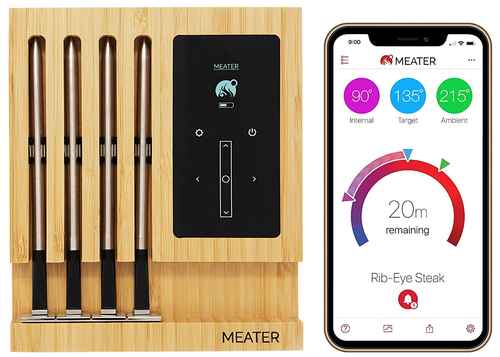
Recommended Equipments:
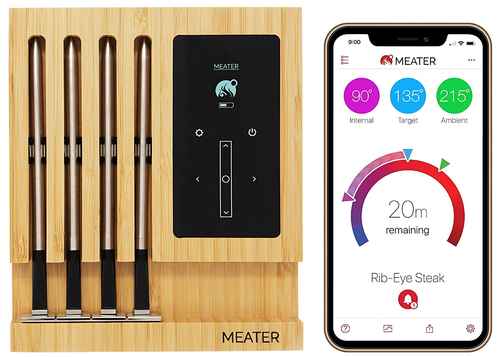
Cooking chicken in a slow cooker has become a cornerstone of convenient, flavorful home cooking. The beauty of slow cooking lies in its ability to transform a simple, often lean protein into a tender, juicy meal with minimal hands-on effort. Using a slow cooker allows the flavors of herbs, spices, and aromatics to deeply infuse the meat, creating a complexity that’s difficult to achieve with quick cooking methods. Cooking on medium heat strikes a balance between speed and thoroughness-faster than low heat but gentle enough to prevent overcooking and drying out the chicken. Whether you are preparing shredded chicken for tacos, a hearty stew, or a family dinner, understanding the nuances of cooking times, techniques, and safety considerations is essential.
Contents
- 1 How Long To Cook Chicken In Slow Cooker On Medium
- 2 How To Tell If It Is Done
- 3 Ingredients Needed
- 4 How To Cook Chicken In Slow Cooker On Medium
- 5 When Things Go Wrong
- 6 Expert Tips
- 7 Can I Do This Without A Slow Cooker?
- 8 Reheating Leftovers In Slow Cooker
- 9 FAQs
- 9.1 How Long Should I Cook Chicken In A Slow Cooker On Medium?
- 9.2 Do I Need To Thaw Chicken Before Cooking It In A Slow Cooker On Medium?
- 9.3 Should I Brown The Chicken Before Placing It In The Slow Cooker?
- 9.4 How Much Liquid Should I Add When Cooking Chicken In A Slow Cooker On Medium?
- 9.5 Can I Cook Vegetables Along With Chicken On Medium?
- 9.6 How Do I Know When Chicken Is Fully Cooked In A Slow Cooker?
- 9.7 Can I Leave Chicken In The Slow Cooker On Medium For Too Long?
- 9.8 Can I Use Sauces Or Marinades When Cooking Chicken On Medium?
- 9.9 Do I Need To Stir Chicken In A Slow Cooker On Medium?
- 9.10 Can I Cook Frozen Vegetables With Chicken In The Slow Cooker On Medium?
How Long To Cook Chicken In Slow Cooker On Medium
Cooking times can vary depending on the type of chicken and whether it is bone-in or boneless. Generally, on medium heat:
- Boneless, skinless chicken breasts: 3-4 hours
- Bone-in chicken breasts: 4-5 hours
- Boneless thighs: 3-4 hours
- Bone-in thighs or drumsticks: 4-5 hours
- Whole chicken (3-4 lbs): 5-6 hours
It’s important to note that slow cookers can vary in temperature. Some models’ medium setting may be closer to low or high, so occasional monitoring and using a thermometer for safety is recommended. Slow cooking is forgiving, but slightly undercooked or overcooked chicken can affect both taste and texture.
How To Tell If It Is Done
Chicken must reach an internal temperature of 165°F (74°C) to be considered safe for consumption. The best tools for checking doneness are:
- Instant-read thermometer: Insert into the thickest part of the chicken, avoiding bones.
- Visual cues: Fully cooked chicken loses its pink hue and juices run clear.
- Texture test: The meat should feel firm yet tender and pull apart easily if shredded.
Relying solely on cooking times is risky; internal temperature is the only foolproof method. Slow-cooked chicken can sometimes appear done on the outside while still undercooked in thicker sections, especially with bone-in cuts.
Ingredients Needed
A simple slow-cooked chicken meal can require surprisingly few ingredients, but layers of flavor make a big difference. Basic ingredients include:
- Chicken: breasts, thighs, drumsticks, or a whole chicken
- Liquid: chicken broth, water, or a mix with wine, coconut milk, or tomato sauce
- Vegetables: onions, carrots, celery, bell peppers, garlic
- Seasonings: salt, pepper, paprika, dried herbs (thyme, oregano, rosemary)
- Optional extras: lemon slices, soy sauce, hot sauce, or honey for glazing
Slow cooking enhances the natural flavors, so while additional ingredients are optional, aromatic vegetables and herbs are highly recommended for a rich, savory result.
How To Cook Chicken In Slow Cooker On Medium
- Prepare the ingredients: Trim excess fat, pat the chicken dry, and season liberally with spices. Chop vegetables and prepare aromatics.
- Layering: Place vegetables at the bottom of the slow cooker to prevent burning. Lay chicken on top.
- Add liquid: Pour broth, water, or sauce over the chicken. A general rule is about ½-1 cup of liquid per pound of chicken.
- Cover and cook: Set the slow cooker to medium and cook for the recommended time based on your chicken cut.
- Check doneness: Use a thermometer or visual checks 30 minutes before the expected end time to avoid overcooking.
- Finishing touches: Remove chicken and vegetables carefully. If desired, reduce liquid on the stovetop for a thicker sauce.
When Things Go Wrong
Even slow cookers aren’t foolproof. Common issues include:
- Dry chicken: Usually due to overcooking, using lean cuts, or insufficient moisture. Adding more liquid and cooking slightly less next time helps.
- Undercooked chicken: Often caused by overcrowding or inaccurate slow cooker temperature. Use a thermometer to confirm safety.
- Soggy vegetables: Certain vegetables like zucchini or mushrooms release a lot of water. Add them later in cooking for better texture.
- Flavor imbalance: Too much liquid can dilute flavors. Consider seasoning in layers or reducing the cooking liquid afterward.
Expert Tips
- Sear for flavor: Browning chicken in a skillet before slow cooking develops deeper, caramelized flavors.
- Layer wisely: Denser vegetables go at the bottom; delicate ones on top.
- Don’t lift the lid: Every time you open the slow cooker, heat escapes and cooking times are extended.
- Use the right cut: Thighs and drumsticks remain juicy more reliably than breasts, which can dry out.
- Thicken sauces: Mix 1-2 tablespoons of cornstarch with cold water and stir into cooking liquid at the end if you want a thicker sauce.
Can I Do This Without A Slow Cooker?
Yes, a stovetop or oven method can replicate slow cooking:
- Oven method: Place chicken and vegetables in a covered Dutch oven at 300°F (150°C) for 2-3 hours.
- Stovetop method: Use a heavy pot with a tight-fitting lid on low heat, simmering gently for 2-3 hours.
The key is maintaining low, steady heat and adequate liquid to mimic the moisture and slow cooking environment.
Reheating Leftovers In Slow Cooker
Slow cookers are excellent for reheating without drying out the chicken:
- Add leftover chicken and vegetables to the slow cooker.
- Add a splash of broth or sauce to prevent drying.
- Set to low and heat for 1-2 hours, stirring occasionally.
- Check internal temperature; leftovers should reach 165°F (74°C) for safety.
Avoid reheating on high to prevent overcooking or rubbery texture.
FAQs
How Long Should I Cook Chicken In A Slow Cooker On Medium?
Cooking time depends on the cut and size of the chicken. Boneless, skinless chicken breasts usually take 3-4 hours, while bone-in pieces like thighs or drumsticks require 4-5 hours on medium. Whole chickens may take 5-6 hours.
Do I Need To Thaw Chicken Before Cooking It In A Slow Cooker On Medium?
Yes, it is recommended to thaw chicken before slow cooking. Cooking frozen chicken can lead to uneven cooking and increase the risk of bacteria surviving in the center.
Should I Brown The Chicken Before Placing It In The Slow Cooker?
Browning is optional. Searing chicken in a skillet before slow cooking adds flavor and improves texture, but it is not required for safety or doneness.
How Much Liquid Should I Add When Cooking Chicken In A Slow Cooker On Medium?
Add at least ½ to 1 cup of liquid, such as broth, water, or sauce, to prevent the chicken from drying out and to allow proper slow cooking.
Can I Cook Vegetables Along With Chicken On Medium?
Yes, root vegetables like carrots, potatoes, and onions can be cooked with chicken. Place harder vegetables at the bottom of the slow cooker for even cooking, as they take longer than chicken to become tender.
How Do I Know When Chicken Is Fully Cooked In A Slow Cooker?
Use a meat thermometer to check the internal temperature. Chicken should reach 165°F (74°C) at the thickest part to ensure it is safe to eat.
Can I Leave Chicken In The Slow Cooker On Medium For Too Long?
Yes, overcooking can make chicken dry and stringy. Medium heat allows some flexibility, but it is best to remove the chicken once it reaches 165°F internally.
Can I Use Sauces Or Marinades When Cooking Chicken On Medium?
Absolutely. Sauces, marinades, and seasoning can be added before or during cooking. They help keep the chicken moist and enhance flavor, but avoid adding thickened sauces too early as they may separate or become too concentrated.
Do I Need To Stir Chicken In A Slow Cooker On Medium?
Stirring is generally unnecessary, especially for bone-in pieces. However, if cooking shredded or cubed chicken with sauces, gentle stirring midway can help distribute flavors evenly.
Can I Cook Frozen Vegetables With Chicken In The Slow Cooker On Medium?
Yes, but be aware that frozen vegetables may release extra water and could become mushy. Add them later in the cooking process for better texture.