
How To Cook Turkey Roast In Slow Cooker [GUIDE]
Cooking a turkey roast in a slow cooker is a method that transforms a simple bird into a succulent, tender, and deeply flavorful centerpiece for any meal. Unlike conventional roasting, where the oven’s dry heat can sometimes leave the meat dry, the slow cooker’s gentle, consistent warmth allows the turkey to cook in its own juices. This not only preserves moisture but also infuses the meat with the rich aromas of herbs, vegetables, and spices you choose to include. Beyond the culinary magic, the slow cooker is a practical kitchen companion: it frees you from constant monitoring, reduces stress on busy days, and allows you to multitask, knowing that your dinner is quietly simmering to perfection. Whether it’s a cozy family dinner, a holiday gathering, or a weeknight feast, mastering the turkey roast in a slow cooker can elevate your culinary confidence while providing reliably delicious results.
Contents
- 1 How Long To Cook Turkey Roast In Slow Cooker
- 2 How To Tell If It Is Done
- 3 Ingredients Needed
- 4 How To Cook Turkey Roast In Slow Cooker
- 5 When Things Go Wrong
- 6 Expert Tips
- 7 Can I Do This Without A Slow Cooker?
- 8 Reheating Leftovers In Slow Cooker
- 9 FAQs
- 9.1 What Size Of Turkey Roast Is Suitable For A Slow Cooker?
- 9.2 Should I Thaw The Turkey Roast Before Slow Cooking?
- 9.3 Do I Need To Sear The Turkey Roast Before Slow Cooking?
- 9.4 What Is The Ideal Cooking Temperature And Time For A Turkey Roast In A Slow Cooker?
- 9.5 Should I Add Liquid To The Slow Cooker When Cooking A Turkey Roast?
- 9.6 Can I Cook Vegetables With The Turkey Roast In The Slow Cooker?
- 9.7 How Can I Keep The Turkey Roast Moist In The Slow Cooker?
- 9.8 Can I Use Frozen Vegetables With The Turkey Roast In The Slow Cooker?
- 9.9 How Do I Make Gravy From The Slow Cooker Drippings?
- 9.10 Is It Safe To Leave The Slow Cooker On All Day While The Turkey Roast Cooks?
How Long To Cook Turkey Roast In Slow Cooker
The cooking time for a turkey roast in a slow cooker depends on both the size of the roast and the heat setting you choose. As a general rule:
- Low heat: 6-8 hours for a 4-6 pound turkey roast.
- High heat: 3-4 hours for the same size.
It’s important to note that cooking times can vary depending on your slow cooker’s brand and model, as some run hotter or cooler than others. Large, bone-in roasts may require extra time to reach the ideal internal temperature, while smaller, boneless cuts will cook faster. Consistency in temperature is key, so resist the urge to lift the lid too frequently; each time you do, heat escapes, extending the cooking time.
How To Tell If It Is Done
The most reliable way to know if your turkey roast is fully cooked is to measure the internal temperature using a meat thermometer. The USDA recommends that turkey reaches an internal temperature of 165°F (74°C) in the thickest part of the meat. For added safety and even juiciness:
- Insert the thermometer into the thickest part of the roast, avoiding the bone.
- Look for juices that run clear; pink or red juices are a sign the meat needs more time.
- Slightly pull apart the fibers-if the meat is tender and separates easily, it’s likely done.
Remember, the slow cooker allows carryover cooking, meaning the meat will continue to cook slightly after it is removed from the heat, so you can let it rest for 10-15 minutes before slicing.
Ingredients Needed
To prepare a flavorful slow-cooked turkey roast, you’ll need:
- Turkey roast: 4-6 pounds, bone-in or boneless.
- Vegetables: Carrots, celery, onions, and garlic for aromatics.
- Liquids: Chicken broth, turkey stock, or even a combination with white wine for depth of flavor.
- Seasonings: Salt, black pepper, paprika, dried thyme, rosemary, and sage are classic choices. Optional: garlic powder, onion powder, or a dash of cayenne for heat.
- Oil or butter: To sear the roast before slow cooking (optional but recommended for extra flavor).
Additional optional ingredients: mushrooms, potatoes, parsnips, or leeks for a one-pot meal.
How To Cook Turkey Roast In Slow Cooker
- Preparation: Pat the turkey roast dry with paper towels to help it brown evenly if you plan to sear it first. Season generously with salt, pepper, and herbs.
- Searing (optional): Heat oil or butter in a skillet over medium-high heat and sear the roast on all sides until golden brown. This step locks in flavor and creates a rich base for the cooking liquid.
- Vegetable bed: Place roughly chopped vegetables and aromatics in the bottom of the slow cooker. This acts as a natural trivet and infuses the turkey with flavor.
- Add liquid: Pour in 1-2 cups of broth or stock. The liquid should cover the vegetables but not submerge the turkey roast entirely.
- Cooking: Place the turkey on top of the vegetables, cover the slow cooker, and cook on low or high according to the roast size and desired timing. Avoid removing the lid during cooking.
- Finishing touches: Once done, remove the roast, let it rest for 10-15 minutes, and strain the liquid for a natural gravy.
When Things Go Wrong
Even slow cooking isn’t immune to hiccups:
- Dry meat: Usually caused by overcooking or insufficient fat content. Try adding more broth next time and consider a butter or oil rub.
- Undercooked center: Check your thermometer placement; if unsure, continue cooking in 30-minute increments until the internal temperature reaches 165°F.
- Overly watery vegetables: Certain root vegetables release water as they cook. To prevent this, cut larger pieces and avoid excess liquid.
- Flavorless meat: Don’t skimp on seasoning or aromatics; slow cooking intensifies flavors, so they need a strong base.
Expert Tips
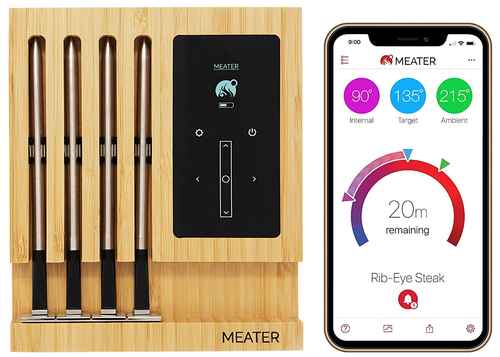
- Use a probe thermometer: This allows you to monitor the internal temperature without opening the lid.
- Layering matters: Vegetables on the bottom, roast on top; this ensures even cooking.
- Resting is crucial: Always let the roast rest before slicing to redistribute juices.
- Herb bundles: Tie fresh herbs in cheesecloth for infusion without losing leaves in the sauce.
- Deglaze the pan: If you seared the roast, pour a little stock or wine into the skillet, scraping up browned bits, and add to the slow cooker for richer flavor.
Can I Do This Without A Slow Cooker?
Yes, a turkey roast can be cooked in the oven or pressure cooker:
- Oven method: Roast at 325°F for 20 minutes per pound, covered for the first half, then uncovered to brown.
- Pressure cooker/Instant Pot: Cook on high pressure for approximately 6-8 minutes per pound, followed by a natural release.
The slow cooker remains the most forgiving method, as it reduces the risk of drying out the turkey.
Reheating Leftovers In Slow Cooker
Reheating turkey in a slow cooker is simple:
- Slice the turkey into portions.
- Place in the slow cooker with a splash of broth to maintain moisture.
- Heat on low for 2-3 hours or high for 1 hour, stirring occasionally.
- Avoid overcooking to prevent the meat from drying.
This method keeps leftovers moist, flavorful, and ready for sandwiches, salads, or a hearty second meal.
FAQs
What Size Of Turkey Roast Is Suitable For A Slow Cooker?
For most standard slow cookers, a turkey roast between 3 to 6 pounds works best. Larger roasts may not cook evenly, while smaller ones could dry out more easily.
Should I Thaw The Turkey Roast Before Slow Cooking?
Yes, it is important to fully thaw the turkey roast in the refrigerator before placing it in the slow cooker. Cooking from frozen may result in uneven cooking and increase the risk of bacterial growth.
Do I Need To Sear The Turkey Roast Before Slow Cooking?
Searing the turkey roast is optional but recommended. Browning the meat in a hot skillet for a few minutes per side adds flavor and helps retain juices during slow cooking.
What Is The Ideal Cooking Temperature And Time For A Turkey Roast In A Slow Cooker?
Cook the turkey roast on low for 6 to 8 hours or on high for 3 to 4 hours, depending on the size. Always ensure the internal temperature reaches 165°F (74°C) using a meat thermometer.
Should I Add Liquid To The Slow Cooker When Cooking A Turkey Roast?
Yes, adding about 1/2 to 1 cup of broth, water, or a mixture of both is recommended. This prevents the roast from drying out and helps create a flavorful base for gravy.
Can I Cook Vegetables With The Turkey Roast In The Slow Cooker?
Yes, you can add root vegetables such as carrots, potatoes, and onions. Place them around the roast so they cook evenly. Avoid adding delicate vegetables early, as they may become mushy.
How Can I Keep The Turkey Roast Moist In The Slow Cooker?
Brining the turkey roast before cooking, adding enough liquid, covering tightly with the lid, and avoiding overcooking are key steps to ensure it remains moist and tender.
Can I Use Frozen Vegetables With The Turkey Roast In The Slow Cooker?
Yes, but frozen vegetables may release extra moisture, potentially thinning the cooking liquid. Adjust the amount of added liquid accordingly to maintain proper texture and flavor.
How Do I Make Gravy From The Slow Cooker Drippings?
After cooking, strain the liquid and remove excess fat. Pour it into a saucepan, bring to a simmer, and thicken with a slurry of cornstarch and water or flour and butter. Adjust seasoning to taste.
Is It Safe To Leave The Slow Cooker On All Day While The Turkey Roast Cooks?
Yes, slow cookers are designed for unattended cooking. Ensure the appliance is on a stable, heat-resistant surface, and the lid remains closed to maintain temperature and safety. Follow manufacturer guidelines.