
How To Cook Picnic Ham In Slow Cooker [GUIDE]
Picnic ham is a versatile, flavorful cut of pork that often goes underappreciated in everyday cooking. Unlike the more commonly served spiral-sliced or honey-glazed hams, picnic ham is a shoulder cut, rich in connective tissue and natural fat, which makes it perfect for slow, gentle cooking. When prepared correctly, it yields tender, juicy meat with a deep, savory flavor that can stand alone or become the centerpiece of any meal. Using a slow cooker to prepare picnic ham transforms the cooking process into a hands-off experience, allowing the meat to absorb seasonings fully while remaining succulent. This method is especially useful for busy cooks, as it frees up oven space and creates a self-contained dish that melds flavors over hours without constant supervision.
Contents
- 1 How Long To Cook Picnic Ham In Slow Cooker
- 2 How To Tell If It Is Done
- 3 Ingredients Needed
- 4 How To Cook Picnic Ham In Slow Cooker
- 5 When Things Go Wrong
- 6 Expert Tips
- 7 Can I Do This Without A Slow Cooker?
- 8 Reheating Leftovers In Slow Cooker
- 9 FAQs
- 9.1 What Is A Picnic Ham, And How Is It Different From Other Hams?
- 9.2 Do I Need To Pre-cook Or Boil The Ham Before Using A Slow Cooker?
- 9.3 What Size Slow Cooker Should I Use For A Picnic Ham?
- 9.4 How Much Liquid Should I Add When Cooking A Picnic Ham In A Slow Cooker?
- 9.5 What Seasonings Or Glaze Work Best For Slow Cooker Picnic Ham?
- 9.6 How Long Does It Take To Cook A Picnic Ham In A Slow Cooker?
- 9.7 Should I Cover The Ham With Foil Or Leave It Uncovered In The Slow Cooker?
- 9.8 Can I Add Vegetables To Cook With The Picnic Ham?
- 9.9 How Do I Check If The Ham Is Fully Cooked?
- 9.10 Can I Store Leftovers And Reheat The Picnic Ham?
How Long To Cook Picnic Ham In Slow Cooker
Cooking times for picnic ham in a slow cooker depend on the size of the cut, whether it is bone-in or boneless, and the temperature setting of the slow cooker. On low heat, a typical 4-6 pound picnic ham takes approximately 6-8 hours to cook. On high heat, it can take around 4-5 hours, but this shorter cooking window may result in slightly less tender meat. For best results, aim for slow, steady heat to allow the collagen in the ham to break down gradually, creating a melt-in-your-mouth texture. Bone-in hams may take an additional 30-60 minutes compared to boneless versions due to the insulating effect of the bone.
How To Tell If It Is Done
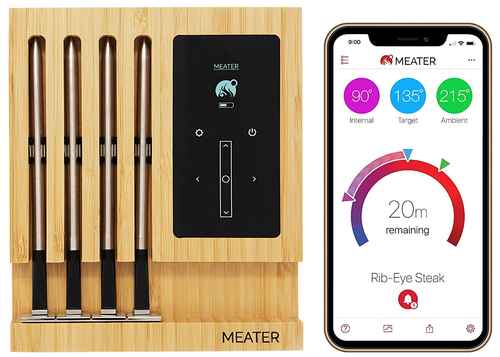
The most reliable way to determine if picnic ham is cooked is by checking its internal temperature with a meat thermometer. Fully cooked picnic ham should reach an internal temperature of 145°F (63°C). If the ham is a cured or pre-cooked variety, the goal is more about warming and flavor infusion, but the same temperature guideline ensures it is hot and safe to eat. Another indicator is texture: properly cooked ham should be tender but not falling apart completely, with a slight pull when shredded with a fork. The meat will also release flavorful juices that are slightly opaque, a sign that the connective tissue has properly gelatinized.
Ingredients Needed
To make a delicious slow-cooked picnic ham, gather the following ingredients:
- 4-6 lb picnic ham (bone-in or boneless)
- 1 cup brown sugar (or adjust to taste)
- 1/2 cup honey or maple syrup
- 1/4 cup Dijon mustard
- 1/2 teaspoon ground cloves
- 1/2 teaspoon black pepper
- 1 cup apple juice, cider, or water (for moisture and flavor infusion)
- Optional aromatics: garlic cloves, onion slices, or fresh herbs (rosemary, thyme, bay leaves)
These ingredients create a sweet-savory glaze that complements the naturally rich pork, while the liquid at the bottom of the slow cooker keeps the meat moist throughout the long cooking process.
How To Cook Picnic Ham In Slow Cooker
- Prepare the Ham: Trim any excess fat if desired, but leaving a thin layer helps baste the meat during cooking. Score the surface in a diamond pattern if you plan to glaze it.
- Mix the Glaze: Combine brown sugar, honey or maple syrup, Dijon mustard, cloves, and black pepper in a bowl. Rub this mixture over the ham, ensuring even coverage.
- Add Liquid and Aromatics: Place the ham in the slow cooker, fat side up, and pour apple juice or cider around it. Add garlic, onion, or herbs for extra aroma.
- Cook Low and Slow: Cover and cook on low for 6-8 hours, or until the internal temperature reaches 145°F. Baste the ham with its juices occasionally if possible.
- Optional Glazing Finish: For a caramelized surface, transfer the ham to a baking sheet and broil in the oven for 5-10 minutes just before serving.
When Things Go Wrong
Even with the slow cooker, mishaps can happen. Common issues include:
- Dry ham: Usually caused by cooking on high for too long or insufficient moisture. Rescue by adding more liquid and covering tightly with foil.
- Underseasoned flavor: Slow cooking can dilute seasonings; consider brushing on additional glaze during the last hour of cooking.
- Gummy texture: This occurs if sugary glazes burn under direct heat. Avoid adding sugar-heavy glazes too early in the cooking process.
Understanding these potential pitfalls helps ensure a consistently succulent result.
Expert Tips
- Fat Side Up: Position the ham with the fat layer on top; as it renders, it bastes the meat naturally.
- Avoid Overcrowding: The slow cooker should allow some space around the ham for even cooking.
- Low and Slow is Best: Patience is key; higher heat settings can toughen the connective tissue rather than tenderize it.
- Use a Meat Thermometer: Rely on temperature rather than cooking time alone for perfect doneness.
- Flavor Layering: Add aromatics early and glaze during the last hour to prevent burning while enhancing depth of flavor.
Can I Do This Without A Slow Cooker?
Absolutely. If a slow cooker isn’t available, picnic ham can be cooked in an oven using a covered roasting pan at 300°F (150°C) for 3-5 hours, depending on size. Cover the ham with foil to retain moisture and baste periodically with juices or glaze. Alternatively, a pressure cooker can reduce the cooking time significantly, though it won’t replicate the same slow, infused tenderness achieved in a slow cooker.
Reheating Leftovers In Slow Cooker
Leftover picnic ham can be gently reheated in a slow cooker to preserve moisture and flavor. Slice or shred the meat, add a splash of broth, juice, or glaze, and cook on low for 1-2 hours until heated through. This method prevents the ham from drying out, unlike microwave or oven reheating, and allows flavors to re-infuse the meat.
FAQs
What Is A Picnic Ham, And How Is It Different From Other Hams?
A picnic ham comes from the shoulder of the pig and is typically less expensive than a traditional ham from the hind leg. It may be sold fully cooked, partially cooked, or raw, and it generally has more connective tissue and slightly more fat, which makes it ideal for slow cooking to become tender and flavorful.
Do I Need To Pre-cook Or Boil The Ham Before Using A Slow Cooker?
No, most picnic hams can be cooked directly in the slow cooker. However, if the ham is raw or partially cooked, ensure it reaches an internal temperature of 145°F (63°C) for safety. Fully cooked hams can be reheated in the slow cooker without additional pre-cooking.
What Size Slow Cooker Should I Use For A Picnic Ham?
A slow cooker with at least a 6-quart capacity is recommended for a standard picnic ham (around 4-6 pounds). Larger hams may require an 8-quart slow cooker to ensure even cooking and space for liquid and seasoning.
How Much Liquid Should I Add When Cooking A Picnic Ham In A Slow Cooker?
Add enough liquid to cover the bottom of the slow cooker by about 1-2 inches. This can include water, broth, or a mixture of water and cider. Excess liquid isn’t necessary, as the ham will release moisture during cooking, and too much liquid can dilute the flavor.
What Seasonings Or Glaze Work Best For Slow Cooker Picnic Ham?
Popular seasonings include brown sugar, honey, mustard, cloves, garlic, and pineapple juice. You can brush a glaze on the ham during the last hour of cooking or add it at the start to allow the flavors to infuse. Avoid overly salty glazes if the ham is already pre-cooked and salted.
How Long Does It Take To Cook A Picnic Ham In A Slow Cooker?
Cooking time depends on the size and type of ham. For fully cooked hams, heat on low for 4-6 hours or on high for 2-3 hours. For raw or partially cooked hams, slow cook on low for 8-10 hours or until the internal temperature reaches 145°F (63°C).
Should I Cover The Ham With Foil Or Leave It Uncovered In The Slow Cooker?
Cover the ham with the slow cooker lid during cooking. This traps moisture, prevents drying, and allows the flavors of the liquid and seasonings to penetrate the meat. Foil is not necessary inside the slow cooker unless the ham is very large and protrudes above the liquid.
Can I Add Vegetables To Cook With The Picnic Ham?
Yes, vegetables such as potatoes, carrots, onions, and celery can be added to the slow cooker. Place them under or around the ham so they cook in the juices without touching the ham too much, ensuring they absorb the flavors while cooking evenly.
How Do I Check If The Ham Is Fully Cooked?
Use a meat thermometer to check the internal temperature. For fully cooked hams, aim for 140°F (60°C) when reheating. For raw or partially cooked hams, the temperature should reach at least 145°F (63°C). Always let the ham rest for 10-15 minutes before slicing.
Can I Store Leftovers And Reheat The Picnic Ham?
Yes, leftovers should be cooled, wrapped tightly, and refrigerated within two hours of cooking. They can be stored for up to 3-4 days in the fridge or frozen for up to 2 months. Reheat gently in a low oven or in a slow cooker with a small amount of liquid to retain moisture.