
How To Cook Frozen Pork Roast In Slow Cooker [GUIDE]
Slow cookers excel at transforming tough, well-marbled cuts of pork into tender, aromatic roasts that fall apart under the slightest pressure. Their gentle heat, moist environment, and hands-off convenience make them a favorite tool for home cooks who want dependable results without constant attention. However, questions often arise about whether frozen meat can go directly into a slow cooker. Pork roasts, being dense and thick, raise particularly important safety considerations.
This guide explains what you need to know about using a slow cooker with pork roasts, including why cooking from frozen is unsafe, how to prepare the roast properly, how to know precisely when it is done, what to do if things go wrong, and how to handle leftovers safely.
Contents
- 1 How Long To Cook Frozen Pork Roast In Slow Cooker
- 2 How To Tell If It Is Done
- 3 Ingredients Needed
- 4 How To Cook A Pork Roast In A Slow Cooker (Using Thawed Meat)
- 5 When Things Go Wrong
- 6 Expert Tips
- 7 Can I Do This Without A Slow Cooker?
- 8 Reheating Leftovers In Slow Cooker
- 9 FAQs
- 9.1 Can I Cook A Frozen Pork Roast Directly In A Slow Cooker?
- 9.2 How Long Should I Cook A Frozen Pork Roast In A Slow Cooker?
- 9.3 Do I Need To Thaw The Pork Roast Before Slow Cooking?
- 9.4 Should I Sear The Frozen Pork Roast Before Placing It In The Slow Cooker?
- 9.5 What Liquids Are Recommended For Cooking A Frozen Pork Roast In A Slow Cooker?
- 9.6 How Can I Ensure The Pork Roast Stays Tender When Cooked From Frozen?
- 9.7 Can I Add Vegetables To The Slow Cooker With A Frozen Pork Roast?
- 9.8 Is It Safe To Cook Pork Roast From Frozen In A Slow Cooker?
- 9.9 Can I Season A Frozen Pork Roast Before Putting It In The Slow Cooker?
- 9.10 What Is The Best Way To Check If A Frozen Pork Roast Is Fully Cooked In A Slow Cooker?
How Long To Cook Frozen Pork Roast In Slow Cooker
Short Answer: You Should Not Cook A Frozen Pork Roast In A Slow Cooker.
The USDA, food-safety researchers, and slow-cooker manufacturers advise firmly against this method. A slow cooker heats food gradually, taking hours to bring internal temperatures above the danger zone of 40-140°F. A large frozen roast remains in that temperature range too long, creating ideal conditions for harmful bacterial growth-even if the final internal temperature eventually becomes safe.
Safe Alternative Timing
If the pork roast is fully thawed, the safe slow-cooker cooking times are:
- Low setting: 8-10 hours for a 3-4 lb roast
- High setting: 4-6 hours for a 3-4 lb roast
If the roast is frozen, you must use a different cooking method:
- Pressure cooker (Instant Pot): 60-90 minutes from frozen
- Oven roasting: Lower the oven to 325°F and roast until internal temperature reaches 145°F, typically 30-40 minutes per pound when frozen
Only after the roast has been safely thawed or cooked partially by another method should it enter the slow cooker.
How To Tell If It Is Done
A pork roast is done when:
Internal Temperature Reaches 145°F
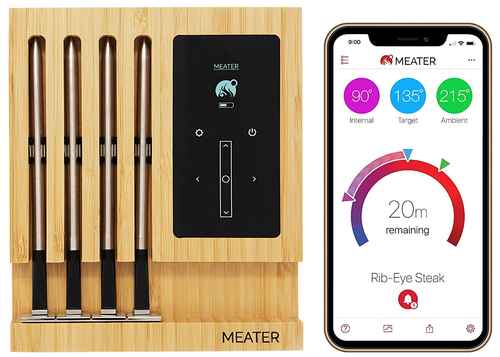
This is the minimum safe temperature for whole pork roasts per USDA guidelines. Measure at the thickest part with a digital probe thermometer.
Juices Run Clear
The fluids inside should not appear pink or cloudy. Clear juices indicate that the proteins have set and the meat has reached its safe temperature.
It Pulls Apart Easily (Optional For Pulled Pork)
If you desire a shreddable texture, continue cooking until the internal temperature reaches around 195-205°F.
This is well above the minimum for safety and is strictly for tenderness.
Ingredients Needed
The exact ingredients may vary depending on your desired flavor profile, but a robust, aromatic pork roast typically includes:
Pork Roast
-
3-5 lb pork shoulder (Boston butt) or pork loin
Shoulder offers more fat and yields the most tender and flavorful result.
Vegetables (Optional But Adds Depth)
- 1-2 onions, sliced or quartered
- 3-4 carrots, cut into chunks
- 2-3 celery stalks
- 4-6 cloves garlic
Seasonings
- 1-2 teaspoons kosher salt
- 1 teaspoon black pepper
- 1-2 teaspoons paprika
- 1 teaspoon dried rosemary or thyme
- 1 bay leaf
Liquids
- 1-1.5 cups broth (chicken, vegetable, or beef)
- Optional additions: apple juice, cider vinegar, Worcestershire sauce, or soy sauce for depth
These ingredients provide moisture, balance, and a savory foundation that permeates the pork during long slow cooking.
How To Cook A Pork Roast In A Slow Cooker (Using Thawed Meat)
Below is the proper and safe method for using the slow cooker:
Thaw The Pork Roast Completely
Do this safely:
- In the refrigerator for 24-48 hours
-
Or in cold water (kept below 40°F with frequent water changes)
Never thaw on the counter.
Pat The Roast Dry
Removing moisture from the exterior allows for more flavorful browning if you choose to sear it first.
Sear (Optional But Highly Recommended)
Heat a skillet over medium-high heat.
Brown each side of the roast in a thin layer of oil for 3-4 minutes.
This step brings complexity and richness to the final dish.
Arrange Vegetables In The Slow Cooker
Lay onions, carrots, and celery on the bottom.
They act as a natural roasting rack and infuse flavor.
Season And Place The Roast
Rub the roast with salt, pepper, herbs, and spices.
Set it over the vegetables.
Add Liquid
Pour 1-1.5 cups broth or other cooking liquid into the cooker.
This ensures steam production and prevents drying.
Slow Cook
- On Low: 8-10 hours
- On High: 4-6 hours
Cook until internal temperature reaches at least 145°F.
Rest Before Carving
Let the roast rest for 10-15 minutes so juices redistribute.
When Things Go Wrong
Even with a reliable slow cooker, various issues can arise.
The Roast Is Dry
- This often occurs with pork loin, which is lean.
- Solution: Add more liquid next time, or choose shoulder for moist results.
- You can rescue the current dish by shredding it and mixing with juices or sauce.
The Roast Is Tough
- It simply has not cooked long enough.
- Continue cooking until it reaches the shredding range (195-205°F).
The Liquid Level Dropped Too Low
- Slow cookers vary in evaporation.
- Add a small amount of broth mid-cook if needed.
It Cooked Too Fast
- Some slow cookers run hot.
- Move the setting from high to low and reduce future cook times by an hour or two.
You Accidentally Started With Frozen Meat
Stop the slow cooker immediately.
Either:
-
Transfer the roast to the oven to bring it rapidly through the danger zone, then continue in the slow cooker
or
- Finish cooking in the oven entirely.
This avoids unsafe temperature conditions.
Expert Tips
- Choose Fatty Cuts: Pork shoulder provides the best flavor and moisture.
- Avoid Opening the Lid: Each lift adds 20-30 minutes to the cooking time.
- Use a Thermometer: Never rely solely on cook times; always verify internal temperature.
- Layer Ingredients Properly: Vegetables on the bottom, meat on top ensures even cooking.
- Season Generously: Slow cooking mellows flavors; start slightly heavier with spices.
- Consider Overnight Cooking: A roast cooked overnight on low creates a fuss-free next-day meal.
Can I Do This Without A Slow Cooker?
Yes. You can still achieve fork-tender results using several alternative methods:
Dutch Oven (Oven Braising)
- Preheat oven to 300-325°F.
- Brown the roast, add vegetables and liquid, cover, and cook for 3-4 hours.
- This method most closely replicates slow-cooker tenderness.
Pressure Cooker Or Instant Pot
- Safest for cooking frozen meat.
- Cook a frozen pork roast on high pressure for 60-90 minutes depending on size.
- Add additional time for shredding texture.
Stovetop Simmering
- Brown the meat in a heavy pot, add liquid, cover, and simmer very gently for 2.5-3 hours.
- Requires more supervision but yields excellent flavor.
Reheating Leftovers In Slow Cooker
Reheating leftovers in a slow cooker is not recommended because it heats too slowly to bring food safely through the danger zone.
Instead, reheat leftovers using one of the following:
Oven Method
- Place pork in a covered dish with a splash of broth.
- Heat at 300°F until it reaches 165°F.
Stovetop Method
- Reheat gently in a saucepan with broth until steaming and hot.
Microwave
- Reheat in short intervals, stirring as needed.
- Ensure internal temperature reaches 165°F.
Once reheated safely, you may transfer the hot pork to a slow cooker set on ’Warm’ to keep it hot for serving.
FAQs
Can I Cook A Frozen Pork Roast Directly In A Slow Cooker?
Yes, you can cook a frozen pork roast in a slow cooker, but it requires a longer cooking time. It is important to ensure the meat reaches a safe internal temperature of 145°F (63°C) and allow it to rest for at least 3 minutes before serving.
How Long Should I Cook A Frozen Pork Roast In A Slow Cooker?
Cooking times vary based on the size of the roast and the slow cooker setting. Typically, a 3-5 pound frozen pork roast takes 8-10 hours on low or 5-6 hours on high. Using a meat thermometer is recommended to confirm doneness.
Do I Need To Thaw The Pork Roast Before Slow Cooking?
Thawing is not strictly necessary, but starting with a thawed roast reduces cooking time and helps ensure even cooking. If cooking from frozen, expect longer cook times and monitor internal temperature closely.
Should I Sear The Frozen Pork Roast Before Placing It In The Slow Cooker?
Searing a frozen pork roast is difficult and not necessary. Searing is more effective when the meat is thawed. You can add flavor through herbs, spices, and liquid in the slow cooker instead.
What Liquids Are Recommended For Cooking A Frozen Pork Roast In A Slow Cooker?
Common liquids include broth, water, apple juice, cider, or a combination with sauces. The liquid helps keep the meat moist and adds flavor. Typically, 1/2 to 1 cup of liquid is sufficient, depending on the size of the roast.
How Can I Ensure The Pork Roast Stays Tender When Cooked From Frozen?
Cooking low and slow is key. Add enough liquid, avoid lifting the lid frequently, and ensure the roast cooks until it reaches the proper internal temperature. A larger roast may benefit from adding vegetables that release moisture during cooking.
Can I Add Vegetables To The Slow Cooker With A Frozen Pork Roast?
Yes, root vegetables like carrots, potatoes, and onions can be added. Place denser vegetables at the bottom and the roast on top. Cooking from frozen may require slightly longer time for vegetables to soften properly.
Is It Safe To Cook Pork Roast From Frozen In A Slow Cooker?
Yes, it is safe as long as the pork reaches a minimum internal temperature of 145°F (63°C) and is allowed to rest. Slow cookers heat gradually, so starting from frozen may extend the time the meat spends in the temperature “danger zone”, but thorough cooking mitigates risks.
Can I Season A Frozen Pork Roast Before Putting It In The Slow Cooker?
Yes, you can apply dry rubs or sprinkle seasoning over the frozen surface, but it may not penetrate deeply until the meat begins to thaw and cook. Using flavorful liquids and sauces can also enhance seasoning.
What Is The Best Way To Check If A Frozen Pork Roast Is Fully Cooked In A Slow Cooker?
Use a digital meat thermometer inserted into the thickest part of the roast. The internal temperature should reach at least 145°F (63°C). Additionally, the meat should be tender and easily pull apart with a fork.