
How To Cook Bone-in Ham In Slow Cooker [GUIDE]
Cooking a bone-in ham is an art that balances flavor, texture, and convenience. While traditional oven baking produces a classic, caramelized exterior, the slow cooker transforms this process into a hands-off experience that infuses the meat with moisture and subtle sweetness. A slow-cooked ham is tender enough to fall off the bone, yet firm enough to slice elegantly for a holiday feast or weeknight dinner. Using a slow cooker not only frees up oven space during busy gatherings but also allows the natural juices to mingle with glazes and aromatics, creating a depth of flavor that is hard to achieve through other methods. Understanding the nuances of timing, seasoning, and temperature is essential to achieving a ham that is moist, flavorful, and visually impressive.
Contents
- 1 How Long To Cook Bone-in Ham In Slow Cooker
- 2 How To Tell If It Is Done
- 3 Ingredients Needed
- 4 How To Cook Bone-in Ham In Slow Cooker
- 5 When Things Go Wrong
- 6 Expert Tips
- 7 Can I Do This Without A Slow Cooker?
- 8 Reheating Leftovers In Slow Cooker
- 9 FAQs
- 9.1 What Type Of Bone-in Ham Is Best For Slow Cooking?
- 9.2 How Much Ham Can I Fit In My Slow Cooker?
- 9.3 Do I Need To Add Liquid When Cooking Ham In A Slow Cooker?
- 9.4 Should I Glaze The Ham Before Or After Slow Cooking?
- 9.5 How Long Does It Take To Cook A Bone-in Ham In A Slow Cooker?
- 9.6 What Internal Temperature Should A Slow-cooked Ham Reach?
- 9.7 Can I Leave The Ham In The Slow Cooker Overnight?
- 9.8 Do I Need To Cover The Ham While Slow Cooking?
- 9.9 Can I Add Vegetables To The Slow Cooker With The Ham?
- 9.10 How Can I Store Leftover Slow-cooked Ham?
How Long To Cook Bone-in Ham In Slow Cooker
The cooking time for a bone-in ham in a slow cooker varies depending on the size of the ham and whether it is pre-cooked or raw. Most bone-in hams sold in stores are pre-cooked, meaning the goal is to heat the meat through rather than cook it from scratch. For a pre-cooked bone-in ham, plan for approximately:
- Low heat: 4-6 hours for a 4-6 pound ham
- High heat: 2-3 hours for the same size
Larger hams (8-10 pounds) will naturally require additional time-typically 6-8 hours on low. If the ham is uncooked, slow cooking is less common but can be done, requiring closer attention to internal temperatures to ensure safety.
Using the low setting is usually preferred because it allows the meat to cook gently, absorbing moisture and glaze flavors without drying out. Slow cookers vary, so consider checking the ham slightly before the minimum suggested time to ensure it doesn’t overcook.
How To Tell If It Is Done
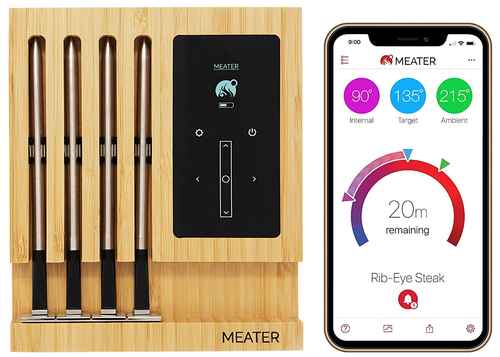
The most reliable method to determine if your bone-in ham is properly cooked is by using a meat thermometer. Insert the thermometer into the thickest part of the ham, avoiding contact with the bone, which can give an inaccurate reading. For:
- Pre-cooked ham: Aim for an internal temperature of 140°F (60°C). This ensures the ham is heated through but not dried out.
- Uncooked ham: The internal temperature must reach 145°F (63°C), followed by a 3-minute rest period to ensure safety.
Visual cues also help: the meat should be steaming hot, glistening with juices, and fragrant from any glazes or aromatics added during cooking. The slices should pull apart easily but still retain their structure.
Ingredients Needed
A slow-cooked bone-in ham can be enhanced with a few simple ingredients that complement its natural flavor:
- Bone-in ham: 4-8 pounds, pre-cooked or raw
- Liquid base: ½-1 cup of water, apple cider, or pineapple juice
- Sweeteners: Brown sugar, honey, or maple syrup for a glossy, caramelized glaze
- Flavor enhancers: Dijon mustard, cloves, garlic, or onion powder
- Fruits and aromatics: Pineapple slices, orange zest, or fresh herbs (thyme, rosemary)
- Optional extras: Whole cloves for studding the ham, crushed ginger, or a splash of bourbon or rum for complexity
The slow cooker allows these flavors to meld over hours, giving the ham a subtle, rich taste that penetrates deeply into the meat.
How To Cook Bone-in Ham In Slow Cooker
- Prepare the ham: Remove any packaging and pat dry. If desired, score the surface in a diamond pattern to allow glazes and spices to penetrate more thoroughly.
- Add liquid: Pour ½-1 cup of water, juice, or broth into the slow cooker to keep the ham moist.
- Apply glaze or seasonings: Mix your sweeteners and flavor enhancers, then brush or rub generously over the ham.
- Place in slow cooker: Position the ham flat-side down. Avoid covering the ham entirely with liquid; the goal is gentle steaming rather than boiling.
- Cook on low: For 4-6 hours for a 4-6 pound ham, or until the thermometer reaches the desired internal temperature.
- Optional glazing: During the last 30-60 minutes, brush on extra glaze for a sticky, caramelized exterior.
- Rest and serve: Let the ham rest for 10-15 minutes before slicing to allow juices to redistribute.
When Things Go Wrong
Even experienced cooks encounter challenges with slow-cooked ham. Common issues include:
- Dry ham: Usually caused by overcooking or insufficient moisture. Ensure the liquid level is adequate and avoid high heat unless in a time crunch.
- Undercooked ham: More common with uncooked hams or uneven heat distribution. Always check with a thermometer.
- Too salty: Many pre-cooked hams are heavily salted. Mitigate this by using water or juice as the cooking liquid instead of broth, and avoid adding excessive salt to glazes.
- Soggy glaze: If the glaze becomes watery instead of sticky, remove the ham and reduce the glaze on the stovetop before reapplying.
Expert Tips
- Score the ham: Creates more surface area for the glaze to adhere and enhances presentation.
- Add aromatics under the ham: Place onions, garlic, or citrus slices beneath the ham to prevent sticking and infuse flavor.
- Use foil for high heat: If cooking on high, tent the ham loosely with foil to retain moisture.
- Check liquid periodically: Some slow cookers vary in temperature, and adding extra liquid mid-cooking can prevent drying.
- Glaze in stages: Apply glaze halfway through cooking, then again in the last 30 minutes for maximum caramelization.
Can I Do This Without A Slow Cooker?
Yes. While the slow cooker excels at hands-off cooking, alternatives include:
- Oven roasting: Cover in foil and bake at 275-325°F (135-160°C), using a similar liquid and glaze process. This produces a slightly more browned exterior.
- Instant Pot/pressure cooker: A faster method, though glazing is best finished under the broiler to achieve caramelization.
- Sous vide: Maintains perfect moisture, but requires additional steps to finish with a sear or glaze.
Each method will slightly alter texture and flavor but can replicate slow cooker results with careful attention.
Reheating Leftovers In Slow Cooker
Reheating leftover ham in a slow cooker ensures it stays moist and flavorful:
- Slice the ham into manageable portions.
- Add a small amount of water, broth, or juice to prevent drying.
- Cover and heat on low for 1-2 hours, or until internal temperature reaches 140°F (60°C).
- Optional: Brush with leftover glaze during the last 30 minutes to refresh the flavor and shine.
This method avoids microwave dryness and keeps the meat tender for sandwiches, soups, or salads.
FAQs
What Type Of Bone-in Ham Is Best For Slow Cooking?
A fully cooked, bone-in ham or a partially cooked ham is ideal for slow cooking. Fully cooked hams require reheating and will absorb flavors, while partially cooked hams need a longer cooking time to reach the proper internal temperature.
How Much Ham Can I Fit In My Slow Cooker?
Most standard slow cookers (6-7 quarts) can accommodate a 4-6 pound bone-in ham. Ensure the ham fits comfortably with some space for liquid and air circulation to cook evenly.
Do I Need To Add Liquid When Cooking Ham In A Slow Cooker?
Yes, adding liquid such as water, broth, juice, or a combination helps prevent the ham from drying out and promotes even heat distribution. Typically, 1/2 to 1 cup of liquid is sufficient.
Should I Glaze The Ham Before Or After Slow Cooking?
It is best to apply the glaze during the last 30-60 minutes of slow cooking. Applying it too early can cause the sugars to burn, while adding it near the end ensures a sticky, caramelized finish.
How Long Does It Take To Cook A Bone-in Ham In A Slow Cooker?
Cooking times vary depending on the size of the ham and whether it is fully or partially cooked. A fully cooked ham typically requires 3-4 hours on low, whereas a partially cooked ham may take 6-8 hours on low. Always check the internal temperature.
What Internal Temperature Should A Slow-cooked Ham Reach?
For fully cooked hams, reheat until the internal temperature reaches 140°F (60°C). For partially cooked hams, cook until the internal temperature reaches 145°F (63°C), followed by a 3-minute rest.
Can I Leave The Ham In The Slow Cooker Overnight?
It is not recommended to cook ham unattended overnight. While slow cookers maintain low heat, cooking for more than 8-10 hours can dry out the meat or affect food safety if temperatures fluctuate.
Do I Need To Cover The Ham While Slow Cooking?
Yes, keep the lid on during cooking to retain moisture and heat. Removing the lid repeatedly can increase cooking time and cause the ham to dry out.
Can I Add Vegetables To The Slow Cooker With The Ham?
Yes, root vegetables like carrots, potatoes, and onions can be added. Place them around or under the ham so they cook in the flavorful juices, but avoid overcrowding, which can affect cooking.
How Can I Store Leftover Slow-cooked Ham?
After cooking, allow the ham to cool slightly, then store it in an airtight container in the refrigerator for 3-5 days. For longer storage, freeze in portions for up to 2 months and reheat thoroughly before serving.