
How To Cook Raw Chicken In Slow Cooker [GUIDE]
Cooking raw chicken in a slow cooker is one of the most convenient ways to prepare a wholesome, flavorful meal with minimal effort. Unlike stovetop cooking, which demands constant attention, or oven roasting, which can dry out poultry if not carefully monitored, slow cooking allows the chicken to cook gently over a prolonged period. This method not only tenderizes the meat to a melt-in-your-mouth consistency but also ensures that flavors from herbs, spices, and accompanying vegetables meld together harmoniously. From creamy chicken stews to shredded chicken for tacos or sandwiches, mastering slow cooker chicken can elevate weeknight dinners and meal prep alike. However, achieving perfectly cooked chicken requires attention to timing, temperature, and ingredient selection.
Contents
- 1 How Long To Cook Raw Chicken In Slow Cooker
- 2 How To Tell If It Is Done
- 3 Ingredients Needed
- 4 How To Cook Raw Chicken In Slow Cooker
- 5 When Things Go Wrong
- 6 Expert Tips
- 7 Can I Do This Without A Slow Cooker?
- 8 Reheating Leftovers In Slow Cooker
- 9 FAQs
- 9.1 Is It Safe To Cook Raw Chicken In A Slow Cooker?
- 9.2 How Long Does It Take To Cook Raw Chicken In A Slow Cooker?
- 9.3 Should I Thaw Chicken Before Putting It In A Slow Cooker?
- 9.4 Do I Need To Add Liquid When Cooking Chicken In A Slow Cooker?
- 9.5 Can I Cook Chicken With Vegetables In A Slow Cooker?
- 9.6 How Do I Know When The Chicken Is Done?
- 9.7 Can I Use Bone-in Or Boneless Chicken In A Slow Cooker?
- 9.8 Should I Sear The Chicken Before Putting It In The Slow Cooker?
- 9.9 Can I Cook Chicken Safely On The Low Setting Overnight?
- 9.10 How Can I Prevent Chicken From Becoming Dry In A Slow Cooker?
How Long To Cook Raw Chicken In Slow Cooker
The cooking time for raw chicken in a slow cooker depends on several factors, including the cut of chicken, whether it’s bone-in or boneless, and the heat setting you choose.
- Boneless, skinless chicken breasts: 3-4 hours on high or 6-7 hours on low.
- Bone-in chicken breasts or thighs: 4-5 hours on high or 7-8 hours on low.
- Whole chicken: 4-5 hours on high or 7-8 hours on low, depending on size.
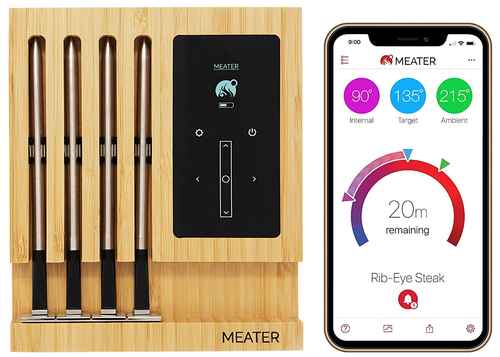
Slow cookers vary in heat intensity, so these times serve as guidelines rather than hard rules. Using a meat thermometer to check doneness ensures safety and prevents overcooking.
How To Tell If It Is Done
Determining when chicken is fully cooked is crucial for both safety and taste. Undercooked chicken carries the risk of salmonella and other harmful bacteria, while overcooked chicken can become dry and stringy.
- Temperature check: The most reliable method is using an instant-read thermometer. Insert it into the thickest part of the meat, avoiding bones. The internal temperature should reach 165°F (74°C).
- Visual cues: Fully cooked chicken should have opaque, white flesh with no pink in the center. Bone-in pieces should have clear juices.
- Texture test: Properly cooked chicken should pull apart easily with a fork. If the meat is rubbery or sticks together, it likely needs more time.
Ingredients Needed
The beauty of slow cooker chicken lies in its simplicity. Core ingredients include:
- Raw chicken (breasts, thighs, or whole)
- Vegetables: onions, carrots, celery, bell peppers, potatoes
- Liquid: chicken broth, water, or a combination of broth and sauces
- Seasonings and herbs: salt, pepper, garlic, thyme, rosemary, paprika, or your preferred spice blends
- Optional additions: lemon slices, bay leaves, soy sauce, or cream for richer recipes
Choosing quality ingredients, especially fresh vegetables and aromatic herbs, significantly enhances the flavor profile of slow-cooked chicken.
How To Cook Raw Chicken In Slow Cooker
- Prepare the chicken: Rinse and pat dry. Trim excess fat if desired.
- Layer vegetables: Place harder vegetables, such as carrots or potatoes, at the bottom of the slow cooker; they take longer to cook.
- Season: Rub the chicken with herbs, spices, or sauces. Salt and pepper are essential for flavor.
- Add liquid: Pour in enough broth or sauce to cover the bottom by about an inch. This prevents drying out while promoting slow cooking.
- Set cooking time: Choose your heat setting and duration based on the type of chicken you’re using.
- Check periodically: While slow cookers are designed for set-and-forget cooking, checking toward the end ensures optimal results.
- Rest: Allow the chicken to sit for 5-10 minutes after removing from the slow cooker to let juices redistribute.
When Things Go Wrong
Even with slow cookers, mistakes happen:
- Chicken is dry: This typically occurs if the meat is overcooked or not enough liquid is used. Solutions: shred the chicken and mix it with sauce, broth, or gravy to restore moisture.
- Chicken is undercooked: Simply return it to the slow cooker and extend cooking time until it reaches 165°F.
- Vegetables are mushy: Denser vegetables should be added at the beginning, while delicate vegetables like zucchini or peas are better added in the last hour of cooking.
- Flavor is bland: Adjust with fresh herbs, spices, or a splash of acid (lemon juice or vinegar) after cooking for a quick flavor boost.
Expert Tips
- Avoid lifting the lid: Every time the lid is lifted, heat escapes, extending cooking time.
- Cut evenly: Uniform pieces of chicken and vegetables ensure even cooking.
- Use bone-in pieces for flavor: Bones enrich the broth and keep meat tender.
- Brown chicken first (optional): Searing on the stovetop before slow cooking adds depth of flavor.
- Don’t overfill: Fill your slow cooker no more than two-thirds full for consistent results.
Can I Do This Without A Slow Cooker?
Yes. Raw chicken can be cooked using other low-and-slow methods, though results will vary:
- Oven: Bake in a covered Dutch oven at 300-325°F for 1.5-3 hours depending on size.
- Stovetop: Simmer chicken in a heavy-bottomed pot with liquid on low heat for 1-2 hours.
- Instant Pot or pressure cooker: Cook on high pressure for 8-12 minutes (boneless) or 12-15 minutes (bone-in), followed by natural release.
Each alternative requires monitoring and occasionally stirring to prevent sticking or uneven cooking.
Reheating Leftovers In Slow Cooker
Reheating slow-cooked chicken in the slow cooker preserves moisture and flavor better than a microwave.
- Set low heat: Add a small amount of broth or sauce to prevent drying.
- Cover: Keep the lid on to trap steam.
- Duration: Reheat for 1-2 hours, depending on quantity, until chicken reaches 165°F.
- Stir occasionally: Ensure even warming and prevent sticking to the bottom.
FAQs
Is It Safe To Cook Raw Chicken In A Slow Cooker?
Yes, it is safe to cook raw chicken in a slow cooker as long as the chicken reaches an internal temperature of at least 165°F (74°C) to kill harmful bacteria such as Salmonella. Using low or high heat settings according to recommended cooking times ensures food safety.
How Long Does It Take To Cook Raw Chicken In A Slow Cooker?
Cooking times vary based on the cut and size of the chicken. On the low setting, it usually takes 6-8 hours, while on high, it takes 3-4 hours. Whole chickens generally require longer than chicken breasts or thighs.
Should I Thaw Chicken Before Putting It In A Slow Cooker?
It is recommended to use thawed chicken rather than frozen. Adding frozen chicken can increase cooking time, potentially leaving parts undercooked and unsafe, as the slow cooker may not bring the center to the required temperature quickly enough.
Do I Need To Add Liquid When Cooking Chicken In A Slow Cooker?
Yes, adding liquid is essential to prevent the chicken from drying out and to allow even cooking. Options include broth, water, sauce, or a combination. Typically, ½ to 1 cup of liquid is sufficient depending on the recipe and size of the slow cooker.
Can I Cook Chicken With Vegetables In A Slow Cooker?
Absolutely. Vegetables like carrots, potatoes, and onions cook well with chicken. To avoid overcooking, place harder vegetables like potatoes on the bottom and more delicate ones on top. Cooking times may slightly increase due to added bulk.
How Do I Know When The Chicken Is Done?
The most reliable method is to check the internal temperature using a meat thermometer. The thickest part of the chicken should reach at least 165°F (74°C). The meat should also be opaque and easy to shred or pull apart.
Can I Use Bone-in Or Boneless Chicken In A Slow Cooker?
Both can be used. Bone-in chicken tends to stay moister and adds flavor to the cooking liquid, while boneless chicken cooks faster and is convenient for shredding. Adjust cooking times accordingly-boneless cuts generally need less time.
Should I Sear The Chicken Before Putting It In The Slow Cooker?
Searing is optional. While browning chicken beforehand enhances flavor and appearance, it is not necessary for safety or tenderness since slow cooking will cook the meat thoroughly. Skipping searing saves time.
Can I Cook Chicken Safely On The Low Setting Overnight?
Yes, cooking chicken on the low setting overnight (6-8 hours) is safe as long as your slow cooker maintains consistent heat and the chicken is fully thawed. Avoid using frozen chicken for overnight cooking to reduce the risk of undercooking.
How Can I Prevent Chicken From Becoming Dry In A Slow Cooker?
To keep chicken moist, use sufficient liquid, avoid overcooking, and consider using bone-in or skin-on cuts. Cooking on the low setting rather than high also helps retain moisture. Adding vegetables or sauce around the chicken can create a protective environment to reduce drying.