
How To Cook Eggs In Slow Cooker [GUIDE]
Eggs are one of the most versatile, nutrient-packed foods in the culinary world. They can be soft and delicate, creamy and custard-like, or firm and hearty depending on how they are prepared. While traditional methods such as boiling, frying, or scrambling are widely used, cooking eggs in a slow cooker offers a unique twist, allowing for hands-off cooking, batch preparation, and a consistently tender texture. Slow-cooked eggs are perfect for breakfast meal prep, brunch gatherings, or simply when you want to enjoy eggs without the hassle of constantly monitoring a stove. This method may sound unconventional, but it provides a reliable and easy way to cook eggs evenly, making them suitable for recipes ranging from simple hard-cooked eggs to layered breakfast casseroles.
Contents
- 1 How Long To Cook Eggs In Slow Cooker
- 2 How To Tell If It Is Done
- 3 Ingredients Needed
- 4 How To Cook Eggs In Slow Cooker
- 5 When Things Go Wrong
- 6 Expert Tips
- 7 Can I Do This Without A Slow Cooker?
- 8 Reheating Leftovers In Slow Cooker
- 9 FAQs
- 9.1 Can I Cook Eggs Directly In The Slow Cooker Without Any Water?
- 9.2 Should I Use Whole Eggs Or Cracked Eggs For Slow Cooker Recipes?
- 9.3 What Is The Recommended Cooking Time For Eggs In A Slow Cooker?
- 9.4 Do I Need To Preheat The Slow Cooker Before Adding The Eggs?
- 9.5 How Do I Prevent Eggs From Cracking In The Slow Cooker?
- 9.6 Can I Add Seasoning Or Vegetables Directly With Eggs In The Slow Cooker?
- 9.7 Is It Safe To Cook Eggs Overnight In A Slow Cooker?
- 9.8 Can I Freeze Slow Cooker Egg Dishes For Later Use?
- 9.9 How Do I Clean The Slow Cooker After Cooking Eggs?
- 9.10 Can I Use Silicone Molds Or Jars To Cook Eggs In A Slow Cooker?
How Long To Cook Eggs In Slow Cooker
The cooking time for eggs in a slow cooker varies depending on whether you’re cooking them in their shells, scrambled, or in a casserole form.
- Hard-Cooked Eggs in Shells: Typically, whole eggs take about 2 to 3 hours on the low setting of a slow cooker. Timing may vary slightly depending on the size of the eggs and the specific slow cooker model.
- Scrambled Eggs or Egg Casseroles: If you’re making a mixture of eggs with milk, cheese, or vegetables, it usually takes 2 to 3 hours on low or 1.5 to 2 hours on high to achieve a firm yet creamy texture.
- Egg Bites (like sous-vide style): These smaller portions or cups of eggs with additional ingredients cook faster, generally 1.5 hours on low.
It is important to remember that slow cookers vary in temperature consistency, so frequent checking toward the end of cooking is crucial for achieving the desired texture.
How To Tell If It Is Done
Determining doneness in slow-cooked eggs is less straightforward than conventional methods like poking a yolk with a fork. Here are some reliable indicators:
- For Hard-Cooked Eggs: Carefully remove one egg and peel it. The yolk should be firm but not chalky, and the white should be fully set. If the yolk is still soft or runny, return the eggs to the cooker for additional 10-15 minute intervals.
- For Scrambled Eggs or Casseroles: Gently shake the slow cooker or insert a knife in the center. The eggs are done if they appear set and the knife comes out mostly clean. The texture should be soft and slightly creamy, not rubbery.
- Visual Cues: The surface should look uniformly cooked, without wet or liquid egg pooling on top.
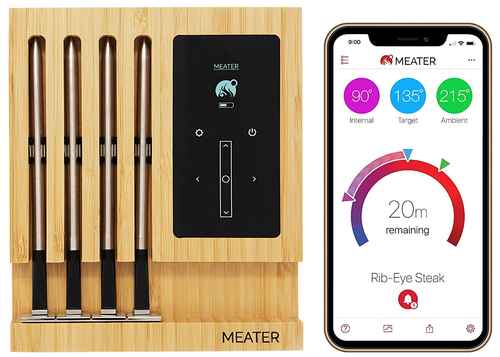
- Optional Temperature Check: Eggs are safe to eat at an internal temperature of 160°F (71°C). Using a thermometer ensures precision, especially in recipes with additional ingredients.
Ingredients Needed
While the beauty of slow cooker eggs is their simplicity, you can tailor the ingredients to your taste:
- Eggs: Fresh, preferably large. Quantity depends on slow cooker size and intended servings.
- Liquid (optional for scrambled eggs or casseroles): Milk, cream, or a non-dairy alternative, usually 1-2 tablespoons per egg for a creamy texture.
- Seasonings: Salt, pepper, garlic powder, paprika, or fresh herbs.
- Add-ins (optional): Cheese, cooked vegetables, cooked meats (like bacon, ham, or sausage), or even spinach for a nutrient boost.
- Non-stick preparation: Butter, oil, or cooking spray to prevent sticking.
How To Cook Eggs In Slow Cooker
- Preparation: Lightly grease the slow cooker insert to prevent sticking. If cooking eggs in their shells, consider lining the bottom with a small towel or using a rack to avoid direct contact with the ceramic surface.
-
For Hard-Cooked Eggs In Shells
- Place eggs in the slow cooker and cover with water, ensuring they are fully submerged.
- Cook on low for 2-3 hours.
- Immediately transfer eggs to an ice bath to stop cooking and make peeling easier.
-
For Scrambled Eggs Or Casseroles
- Whisk eggs with milk or cream and seasonings in a bowl.
- Pour into the slow cooker and add any additional ingredients.
- Cook on low for 2-3 hours, stirring occasionally if you prefer a more uniform texture.
-
For Egg Bites Or Individual Portions
- Pour the egg mixture into silicone molds or small oven-safe dishes.
- Place these in the slow cooker with a small amount of water at the bottom to create gentle steam.
- Cook on low for 1.5-2 hours.
When Things Go Wrong
Even slow cookers have quirks, and eggs are sensitive to overcooking:
- Overcooked Eggs: Can become rubbery or develop a greenish ring around the yolk. Reduce cooking time or check eggs earlier.
- Undercooked Eggs: If still runny, continue cooking in 10-15 minute increments.
- Sticking to the Cooker: Ensure proper greasing or use silicone liners.
- Uneven Cooking: Stirring occasionally for casseroles or using a rack for whole eggs can help.
Expert Tips
- Use room temperature eggs to ensure even cooking.
- Avoid opening the slow cooker lid repeatedly; each opening drops the temperature significantly.
- Consider using a small slow cooker for a thick egg casserole; larger slow cookers can spread the eggs too thin, leading to overcooking.
- For batch cooking, you can freeze slow-cooked scrambled eggs in portions and reheat gently.
- Adding cream or cheese enhances creaminess and prevents dryness.
Can I Do This Without A Slow Cooker?
Yes. Similar results can be achieved using:
- Oven: Bake eggs in a water bath at 325°F (160°C) for a comparable slow-cooked texture.
- Stovetop: Use a double boiler or a very low simmer, keeping a close watch to avoid overcooking.
- Instant Pot/Pressure Cooker: Use the ’steam’ or ’slow cook’ function for convenience.
The slow cooker, however, provides a set-and-forget advantage that other methods don’t fully replicate.
Reheating Leftovers In Slow Cooker
Slow cooker eggs are ideal for batch cooking, but reheating requires care:
- Use the ’warm’ setting or cook on low for 20-30 minutes.
- Add a splash of milk or water to scrambled eggs to prevent drying out.
- For whole eggs, warm gently in water or cover to trap steam.
Avoid high heat as it can overcook and toughen the eggs.
FAQs
Can I Cook Eggs Directly In The Slow Cooker Without Any Water?
No, eggs need some form of moisture to cook evenly in a slow cooker. You can either place them in a water bath or use a liner with a small amount of water to prevent overcooking and cracking.
Should I Use Whole Eggs Or Cracked Eggs For Slow Cooker Recipes?
Both can be used depending on the recipe. Whole eggs are ideal for making hard-boiled eggs, while cracked eggs work better for egg casseroles or frittata-style dishes.
What Is The Recommended Cooking Time For Eggs In A Slow Cooker?
Cooking time varies by method and size of eggs. For hard-boiled eggs, it typically takes 2-3 hours on low heat. For egg casseroles, it can range from 2-4 hours on low or 1-2 hours on high.
Do I Need To Preheat The Slow Cooker Before Adding The Eggs?
Preheating is optional but can help achieve more consistent cooking results. If you add eggs to a cold slow cooker, they may cook unevenly, especially in larger quantities.
How Do I Prevent Eggs From Cracking In The Slow Cooker?
To prevent cracking, place eggs in a single layer, avoid rapid temperature changes, and optionally use a rack or silicone mold to hold them above the water bath.
Can I Add Seasoning Or Vegetables Directly With Eggs In The Slow Cooker?
Yes, for casseroles and frittatas, you can mix in vegetables, cheese, and seasonings. For whole eggs, avoid adding seasonings to the water bath as it won’t penetrate the shells.
Is It Safe To Cook Eggs Overnight In A Slow Cooker?
It is generally safe if the slow cooker maintains a consistent low temperature (around 170-200°F / 77-93°C). However, extended cooking can alter texture, making eggs rubbery if left too long.
Can I Freeze Slow Cooker Egg Dishes For Later Use?
Yes, egg casseroles or frittatas can be frozen after cooking. Cool completely, portion into airtight containers, and freeze for up to 2-3 months. Reheat thoroughly before serving.
How Do I Clean The Slow Cooker After Cooking Eggs?
Soak the insert in warm, soapy water to loosen any residue. Use a non-abrasive sponge to prevent scratching. For stubborn egg deposits, fill with water and a little vinegar and let it sit before scrubbing.
Can I Use Silicone Molds Or Jars To Cook Eggs In A Slow Cooker?
Yes, silicone molds, mason jars, or small heatproof containers allow you to cook individual portions and prevent eggs from touching water directly. They also make removal and cleanup easier.