How To Make Spare Ribs In Slow Cooker [GUIDE]
Spare ribs are a beloved comfort food, celebrated for their tender meat, smoky flavor, and ability to absorb rich marinades and sauces. Yet, cooking them perfectly can feel daunting, particularly if you want meat that falls off the bone without spending hours over a grill or in the oven. This is where the slow cooker shines. Slow cooking is a technique that allows the ribs to cook gently over a long period, breaking down tough connective tissue and rendering fat, leaving you with succulent, melt-in-your-mouth ribs. Not only is this method convenient, but it also guarantees deep flavor infusion and a tender texture that’s hard to achieve with faster cooking methods.
Slow cookers are versatile appliances that turn even the simplest ingredients into a mouthwatering feast. With the right preparation, spare ribs can transform into a dish so tender and flavorful that the family will be asking for seconds before you even reach the table.
Contents
- 1 How Long To Make Spare Ribs In Slow Cooker
- 2 How To Tell If It Is Done
- 3 Ingredients Needed
- 4 How To Make Spare Ribs In Slow Cooker
- 5 When Things Go Wrong
- 6 Expert Tips
- 7 Can I Do This Without A Slow Cooker?
- 8 Reheating Leftovers In Slow Cooker
- 9 FAQs
- 9.1 What Type Of Spare Ribs Is Best For A Slow Cooker?
- 9.2 Do I Need To Remove The Membrane From The Ribs Before Cooking?
- 9.3 Should I Season The Ribs Before Placing Them In The Slow Cooker?
- 9.4 Can I Cook The Ribs Directly In The Slow Cooker Without Browning Them First?
- 9.5 How Much Liquid Should I Add To The Slow Cooker?
- 9.6 What Temperature And Cooking Time Is Best For Tender Ribs?
- 9.7 Should I Cover The Ribs With Barbecue Sauce While Slow Cooking?
- 9.8 Can I Stack Ribs In The Slow Cooker?
- 9.9 How Do I Know When The Ribs Are Done?
- 9.10 Can I Finish The Ribs In The Oven Or On The Grill After Slow Cooking?
How Long To Make Spare Ribs In Slow Cooker
Timing is critical when it comes to slow cooking spare ribs. Generally, ribs require 6-8 hours on low heat or 3-4 hours on high heat to become tender without drying out. The exact duration depends on the size of the ribs, whether they are baby back ribs or St. Louis-style spare ribs, and the particular slow cooker being used.
- Low and slow (6-8 hours): This is the preferred method for most chefs and home cooks. It ensures that the collagen in the ribs fully breaks down, producing tender, juicy meat that nearly slides off the bone.
- High heat (3-4 hours): This is a quicker option but requires careful monitoring to avoid overcooking or drying the meat.
It’s important to note that while slow cookers maintain a consistent temperature, opening the lid frequently can dramatically extend cooking time, as heat escapes and slows the cooking process.
How To Tell If It Is Done
Determining whether your ribs are done is more than just checking the clock-it’s about texture, tenderness, and internal temperature:
- Visual cues: The meat should pull away from the bones slightly and have a rich, caramelized color if a glaze or sauce was applied.
- Touch test: Gently press the rib with a fork. If the meat easily separates but still clings slightly to the bone, it’s ready. Overly soft meat that falls off immediately may indicate it has overcooked.
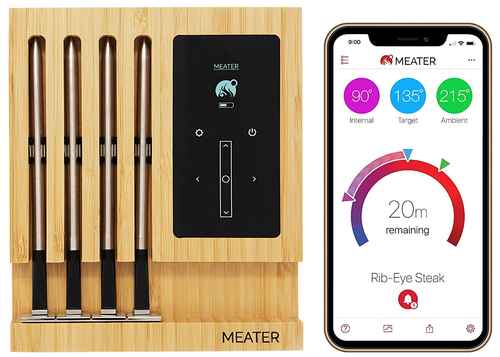
- Internal temperature: For safety, pork should reach at least 145°F (63°C), but for tender spare ribs, the target temperature is often higher, around 190-203°F (88-95°C). This ensures collagen and connective tissue have fully broken down.
Ingredients Needed
A simple yet flavorful spare rib recipe requires minimal ingredients, but each plays a crucial role:
- Spare ribs: 2-3 pounds, trimmed of excess fat.
- Barbecue sauce: 1 cup, for rich glazing and flavor.
- Dry rub: Typically includes paprika, brown sugar, garlic powder, onion powder, salt, black pepper, and cayenne for a subtle kick.
- Liquid for slow cooking: 1/2-1 cup of apple juice, chicken broth, or water to keep the ribs moist.
- Optional aromatics: Sliced onions, garlic cloves, or fresh herbs like thyme or rosemary for additional depth of flavor.
How To Make Spare Ribs In Slow Cooker
- Prepare the ribs: Remove the silver skin from the underside of the ribs for more tender results. Pat the ribs dry to ensure the rub sticks.
- Apply the dry rub: Massage the seasoning evenly across all sides of the ribs, letting it penetrate the meat for at least 30 minutes or overnight in the refrigerator.
- Layer the slow cooker: Place sliced onions or aromatics at the bottom, then position the ribs upright or stacked. Add 1/2-1 cup of liquid around (not over) the ribs.
- Cook low and slow: Cover and cook on low for 6-8 hours. Check occasionally to ensure enough liquid remains.
- Add sauce: During the last 30-60 minutes, brush ribs generously with barbecue sauce to allow it to thicken and caramelize.
- Finish under broiler (optional): For a caramelized exterior, transfer ribs to a baking sheet and broil for 3-5 minutes.
When Things Go Wrong
Even slow cookers can be tricky. Common issues include:
- Ribs are tough: Likely undercooked. Extend cooking time and ensure liquid covers the base of the slow cooker.
- Ribs are mushy: Overcooked. Reduce cooking time next attempt.
- Dry ribs: Could be from too little liquid or overcooking. Always use enough moisture and avoid opening the lid frequently.
- Flavor is bland: Consider a longer marination or adding extra seasoning to the cooking liquid.
Expert Tips
- Marinate overnight: Enhances flavor penetration.
- Don’t stack too high: Ensures even cooking.
- Use the right cut: St. Louis-style ribs are meatier; baby back ribs cook faster.
- Add liquid strategically: Only add enough to cover the bottom; too much will dilute flavors.
- Sauce later: Adding barbecue sauce too early can make it bitter or overly sweet.
Can I Do This Without A Slow Cooker?
Yes, spare ribs can be cooked using alternative methods:
- Oven-baking: Wrap ribs in foil with a splash of liquid, bake at 275°F (135°C) for 2.5-3 hours, then broil for caramelization.
- Pressure cooker / Instant Pot: Cook on high pressure for 25-30 minutes, then finish under broiler.
- Grill: Indirect heat works best, with a longer cooking time to achieve tenderness.
While these methods work, a slow cooker offers a unique combination of convenience, consistent low heat, and moisture retention that’s hard to replicate.
Reheating Leftovers In Slow Cooker
Slow cookers are excellent for gently reheating leftover ribs:
- Add a splash of liquid (broth, apple juice, or water) to prevent drying.
- Cover and heat on low for 1-2 hours.
- Check occasionally to ensure moisture is retained.
- Optionally, brush with fresh barbecue sauce before serving to revive flavor.
This method preserves tenderness without overcooking.
FAQs
What Type Of Spare Ribs Is Best For A Slow Cooker?
Baby back ribs or St. Louis-style spare ribs are ideal for slow cooking. Baby back ribs are more tender and lean, while St. Louis ribs are meatier and have more connective tissue, which breaks down beautifully in a slow cooker.
Do I Need To Remove The Membrane From The Ribs Before Cooking?
Yes, it is highly recommended to remove the thin, silvery membrane on the back of the ribs. This helps the ribs become more tender and allows seasonings and sauces to penetrate the meat more effectively.
Should I Season The Ribs Before Placing Them In The Slow Cooker?
Absolutely. A dry rub of salt, pepper, paprika, garlic powder, and brown sugar enhances flavor. You can also marinate the ribs for a few hours or overnight for deeper flavor before slow cooking.
Can I Cook The Ribs Directly In The Slow Cooker Without Browning Them First?
Yes, you can cook them directly, but browning the ribs in a skillet or oven for a few minutes before slow cooking can enhance flavor and improve appearance. This step is optional but recommended.
How Much Liquid Should I Add To The Slow Cooker?
You only need a small amount of liquid-about 1/4 to 1/2 cup. The liquid can be water, broth, apple juice, or a mixture with barbecue sauce. The slow cooker generates steam that keeps the ribs moist.
What Temperature And Cooking Time Is Best For Tender Ribs?
Cook ribs on low for 6 to 8 hours or on high for 3 to 4 hours. Low and slow cooking ensures the meat becomes tender and separates easily from the bone.
Should I Cover The Ribs With Barbecue Sauce While Slow Cooking?
It is best to add barbecue sauce in the last 30 to 60 minutes of cooking. Adding sauce too early can make it overly sweet or cause it to thicken excessively, reducing the ribs’ tenderness.
Can I Stack Ribs In The Slow Cooker?
Yes, ribs can be stacked or arranged in layers, but avoid overcrowding. Ideally, try to fit them in a single layer or slightly overlap so that heat circulates evenly and the meat cooks uniformly.
How Do I Know When The Ribs Are Done?
The ribs are done when the meat is tender and pulls away easily from the bone, but they should still hold together. You can also check that the internal temperature reaches around 190-203°F (88-95°C) for optimal tenderness.
Can I Finish The Ribs In The Oven Or On The Grill After Slow Cooking?
Yes, finishing the ribs under a broiler or on a grill for 5-10 minutes can caramelize the barbecue sauce and create a desirable crust. This step is optional but adds texture and flavor.