
How To Make Lamb Casserole In Slow Cooker [GUIDE]
Lamb casserole is a classic comfort dish that marries the rich, earthy flavors of tender lamb with the subtle sweetness of vegetables and the depth of a slow-cooked sauce. Traditionally, casseroles evoke images of long, aromatic cooking on the stovetop or in the oven, but using a slow cooker elevates this rustic dish into an effortless yet sophisticated meal. The beauty of slow cooking lies in its ability to tenderize the lamb while infusing every ingredient with flavor, creating a dish that is rich, hearty, and deeply satisfying. Whether it’s a chilly winter evening, a family gathering, or a special occasion, lamb casserole is a versatile dish that promises warmth, aroma, and culinary indulgence.
Contents
- 1 How Long To Make Lamb Casserole In Slow Cooker
- 2 How To Tell If It Is Done
- 3 Ingredients Needed
- 4 How To Make Lamb Casserole In Slow Cooker
- 5 When Things Go Wrong
- 6 Expert Tips
- 7 Can I Do This Without A Slow Cooker?
- 8 Reheating Leftovers In Slow Cooker
- 9 FAQs
- 9.1 What Cut Of Lamb Is Best For A Slow Cooker Casserole?
- 9.2 Do I Need To Brown The Lamb Before Adding It To The Slow Cooker?
- 9.3 What Vegetables Work Well In A Lamb Casserole?
- 9.4 Can I Use Canned Or Frozen Vegetables Instead Of Fresh?
- 9.5 What Type Of Liquid Should I Use In A Slow Cooker Lamb Casserole?
- 9.6 How Long Should I Cook A Lamb Casserole In A Slow Cooker?
- 9.7 Do I Need To Stir The Casserole While It Cooks?
- 9.8 How Can I Thicken The Sauce In A Slow Cooker Lamb Casserole?
- 9.9 Can I Prepare The Casserole In Advance And Freeze It?
- 9.10 How Should I Serve A Slow Cooker Lamb Casserole?
How Long To Make Lamb Casserole In Slow Cooker
Cooking lamb in a slow cooker is a delicate balance between time and temperature. For optimal tenderness and flavor, most lamb casseroles benefit from slow cooking on low for 6 to 8 hours. This long, gentle cooking allows the connective tissues in the lamb to break down, producing succulent, melt-in-your-mouth meat. If pressed for time, cooking on high for 3 to 4 hours can also work, but the texture may not be as tender, and the flavors might not meld as fully.
It’s important to avoid overcooking, which can cause the lamb to dry out, especially if using lean cuts like leg or shoulder. Slow cookers vary in heat intensity, so consider checking the internal temperature and texture toward the end of cooking rather than relying solely on time.
How To Tell If It Is Done
Knowing when your lamb casserole is perfectly cooked requires both visual and tactile cues:
- Meat texture: The lamb should be tender and pull apart easily with a fork. Tough or chewy meat indicates it needs more time.
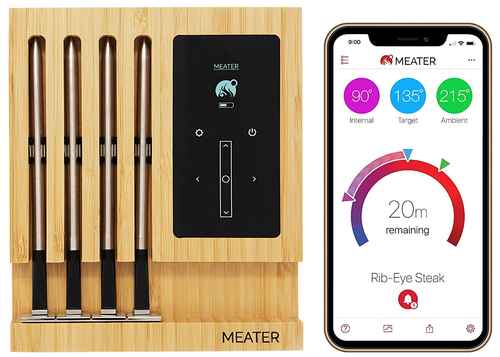
- Internal temperature: Ideally, slow-cooked lamb should reach around 190°F (88°C) for shoulder cuts, ensuring the connective tissues have broken down.
- Vegetable tenderness: Vegetables like carrots, potatoes, and onions should be soft but not mushy. They should absorb the flavors of the lamb and sauce.
- Sauce consistency: The sauce should be thickened slightly, with flavors well-blended. If the liquid is still watery, remove the lid and cook on high for 15-30 minutes to reduce it.
Ingredients Needed
For a classic slow-cooked lamb casserole, you’ll need a combination of tender meat, fresh vegetables, aromatic herbs, and a rich stock base:
- Lamb: 1.5-2 lbs (shoulder or leg, cut into chunks)
-
Vegetables
- 3-4 medium carrots, sliced
- 2-3 potatoes, diced
- 1-2 onions, roughly chopped
- 2-3 celery stalks, chopped
-
Aromatics & Herbs
- 3-4 cloves garlic, minced
- 2-3 sprigs fresh rosemary
- 2-3 sprigs fresh thyme
- 1-2 bay leaves
-
Liquids
- 1-2 cups beef or vegetable stock
- ½-1 cup red wine (optional, adds depth)
-
Other Flavorings
- 2 tbsp tomato paste
- 1-2 tsp Worcestershire sauce
- Salt and freshly ground black pepper to taste
- 2 tbsp olive oil (for browning lamb)
- Optional: Mushrooms, parsnips, or pearl onions for added flavor and texture
How To Make Lamb Casserole In Slow Cooker
- Prepare the lamb: Pat the lamb chunks dry and season with salt and pepper. This ensures proper browning.
- Brown the lamb: Heat olive oil in a skillet and sear the lamb on all sides until golden brown. This step is optional but adds a deep, caramelized flavor.
- Sauté aromatics: In the same skillet, lightly sauté onions and garlic until fragrant. This helps release their natural sweetness.
- Layer in the slow cooker: Place the lamb at the bottom, followed by carrots, potatoes, celery, and any additional vegetables. Add the herbs, tomato paste, Worcestershire sauce, and any optional ingredients.
- Add liquids: Pour stock (and wine, if using) over the ingredients, ensuring the meat is mostly submerged.
- Cook low and slow: Cover the slow cooker and cook on low for 6-8 hours or high for 3-4 hours, until the lamb is tender and vegetables are cooked through.
- Finish and adjust seasoning: Taste the sauce and adjust salt, pepper, or acidity as needed. Remove bay leaves and herb stems before serving.
When Things Go Wrong
Even the most careful cooks can face challenges:
- Lamb is tough: Likely undercooked; extend cooking time and ensure low, slow heat.
- Vegetables overcooked: If using delicate vegetables, add them midway through cooking. Root vegetables fare better for long cooking.
- Sauce too thin: Remove the lid in the last 30 minutes and cook on high to reduce.
- Too salty: Dilute with additional stock or a peeled, raw potato to absorb excess salt.
Expert Tips
- Brown lamb first: Enhances flavor dramatically, even if your slow cooker does most of the work.
- Use bone-in cuts: Adds natural gelatin, enriching the sauce.
- Layer smartly: Denser vegetables like carrots and potatoes should be at the bottom; delicate veggies on top.
- Check liquids: Slow cookers trap moisture, but evaporation is limited. Use less stock than stovetop recipes.
- Season gradually: Herbs and seasoning intensify over long cooking, so adjust near the end.
Can I Do This Without A Slow Cooker?
Absolutely. On the stovetop, use a heavy-bottomed casserole or Dutch oven:
- Brown the lamb and aromatics.
- Add vegetables, herbs, and liquids.
- Bring to a simmer, cover, and cook on low heat for 2-3 hours, stirring occasionally.
- In the oven, preheat to 325°F (160°C) and cook covered for 2-3 hours.
The key is low and slow heat to achieve tender meat and infused flavors.
Reheating Leftovers In Slow Cooker
Leftover lamb casserole reheats beautifully:
- Place leftovers in the slow cooker and add a splash of stock if sauce has thickened.
- Heat on low for 2-3 hours or until warmed through.
- Avoid high heat, which can dry out the lamb or overcook the vegetables.
- Stir occasionally to ensure even heating.
FAQs
What Cut Of Lamb Is Best For A Slow Cooker Casserole?
The best cuts of lamb for a slow cooker casserole are those that are tougher and contain more connective tissue, such as lamb shoulder, neck, or shank. These cuts become tender and flavorful when cooked slowly over several hours.
Do I Need To Brown The Lamb Before Adding It To The Slow Cooker?
While not strictly necessary, browning the lamb in a pan before adding it to the slow cooker enhances the flavor by developing a rich, caramelized crust and deepening the overall taste of the casserole.
What Vegetables Work Well In A Lamb Casserole?
Root vegetables like carrots, parsnips, and potatoes work well, along with onions, celery, and mushrooms. These vegetables hold up well to long cooking times and absorb the flavors of the lamb and broth.
Can I Use Canned Or Frozen Vegetables Instead Of Fresh?
Yes, but with some adjustments. Frozen vegetables can be added directly without thawing, but canned vegetables should be drained and added later in the cooking process to avoid overcooking.
What Type Of Liquid Should I Use In A Slow Cooker Lamb Casserole?
Common liquids include stock (beef, lamb, or vegetable), wine, or a combination. The liquid should cover the meat and vegetables partially to ensure even cooking and prevent drying out.
How Long Should I Cook A Lamb Casserole In A Slow Cooker?
Cooking time depends on the slow cooker setting. On low heat, it usually takes 6-8 hours; on high heat, 3-4 hours. The lamb should be tender and easily pull apart with a fork.
Do I Need To Stir The Casserole While It Cooks?
It is generally not necessary to stir during cooking, as slow cookers circulate heat evenly. However, you can give it a gentle stir halfway through to mix flavors if desired.
How Can I Thicken The Sauce In A Slow Cooker Lamb Casserole?
To thicken the sauce, you can remove the lid during the last 30 minutes of cooking to allow some liquid to evaporate. Alternatively, mix a small amount of flour or cornstarch with cold water and stir it into the casserole near the end of cooking.
Can I Prepare The Casserole In Advance And Freeze It?
Yes, you can prepare the ingredients and freeze them before cooking. Place the meat and vegetables in a freezer-safe container with the liquid, then thaw in the refrigerator before slow cooking for best results.
How Should I Serve A Slow Cooker Lamb Casserole?
Serve the lamb casserole hot, with sides like mashed potatoes, crusty bread, or steamed vegetables. Garnishing with fresh herbs such as parsley or thyme can enhance both flavor and presentation.