
How To Cook Chicken Tenderloins In Slow Cooker [GUIDE]
Chicken tenderloins are prized for their tenderness, quick cooking time, and versatility in a wide array of dishes. Unlike chicken breasts or thighs, tenderloins are a lean, delicate cut that cooks rapidly yet absorbs flavors exceptionally well. Cooking them in a slow cooker is a game-changer, particularly for busy schedules. The low, steady heat of a slow cooker allows the chicken to cook evenly, retaining moisture and becoming melt-in-your-mouth tender without constant monitoring. Whether you’re preparing a hearty weeknight dinner, meal prepping for the week, or making a comforting dish for guests, slow-cooked chicken tenderloins offer a convenient, foolproof solution.
Contents
- 1 How Long To Cook Chicken Tenderloins In Slow Cooker
- 2 How To Tell If It Is Done
- 3 Ingredients Needed
- 4 How To Cook Chicken Tenderloins In Slow Cooker
- 5 When Things Go Wrong
- 6 Expert Tips
- 7 Can I Do This Without A Slow Cooker?
- 8 Reheating Leftovers In Slow Cooker
- 9 FAQs
- 9.1 How Long Should I Cook Chicken Tenderloins In A Slow Cooker?
- 9.2 Do I Need To Brown Chicken Tenderloins Before Putting Them In The Slow Cooker?
- 9.3 Should I Add Liquid When Cooking Chicken Tenderloins In A Slow Cooker?
- 9.4 Can I Cook Frozen Chicken Tenderloins In A Slow Cooker?
- 9.5 How Can I Tell When Chicken Tenderloins Are Fully Cooked In A Slow Cooker?
- 9.6 Can I Add Vegetables With Chicken Tenderloins In A Slow Cooker?
- 9.7 What Seasonings Work Best For Slow-cooked Chicken Tenderloins?
- 9.8 Can I Make A Sauce Directly In The Slow Cooker With The Chicken Tenderloins?
- 9.9 How Should I Store Leftover Slow-cooked Chicken Tenderloins?
- 9.10 Can I Reheat Slow-cooked Chicken Tenderloins Without Drying Them Out?
How Long To Cook Chicken Tenderloins In Slow Cooker
Cooking time is crucial when using a slow cooker, especially with lean cuts like tenderloins, which can easily dry out if overcooked. On low heat, chicken tenderloins generally take 2 to 3 hours to cook fully. On high heat, the cooking time reduces to 1 to 2 hours.
Keep in mind: slow cookers vary in wattage and heat distribution, so these times are approximate. A smaller, less powerful slow cooker might require slightly longer, while newer, high-powered models may cook faster. It’s important to avoid the temptation to cook them “just a little longer”, as even an extra 15 minutes can cause lean meat to become dry and stringy.
How To Tell If It Is Done
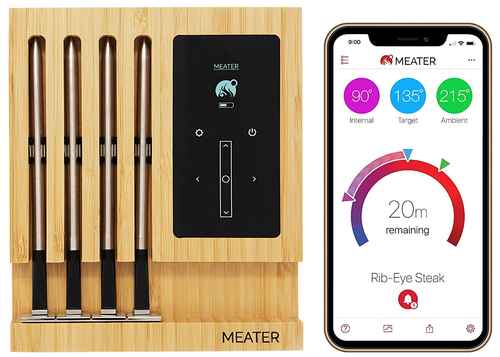
The safest and most reliable way to ensure chicken tenderloins are fully cooked is with a meat thermometer. The internal temperature should reach 165°F (74°C) at the thickest part of the tenderloin.
Other signs include:
- Juices run clear: If you cut into the thickest part and the juices are pink, it needs more time.
- Firm texture: Properly cooked tenderloins will feel firm but still tender to the touch.
- Color: The meat should be white throughout with no pinkish areas in the center.
Relying solely on cooking times or appearance can be misleading, especially in a slow cooker where color changes may be subtle.
Ingredients Needed
To prepare slow-cooked chicken tenderloins, the following ingredients are typically required:
- Chicken tenderloins: 1 to 2 pounds, trimmed of excess fat
- Broth or liquid: Chicken broth, water, or a combination to keep the meat moist
- Aromatics: Garlic, onions, shallots, or leeks for depth of flavor
- Herbs and spices: Salt, black pepper, paprika, thyme, rosemary, or oregano
- Optional flavor enhancers: Lemon juice, soy sauce, Worcestershire sauce, or a splash of wine
- Vegetables (optional): Carrots, potatoes, bell peppers, or mushrooms to cook alongside
The beauty of slow-cooking is its flexibility; you can adjust flavors to your taste while ensuring tender, juicy results.
How To Cook Chicken Tenderloins In Slow Cooker
- Prep the tenderloins: Trim excess fat and pat dry to help seasonings adhere.
- Season thoroughly: Rub chicken with a combination of salt, pepper, and your chosen herbs/spices.
- Add aromatics and liquid: Place onions, garlic, or other aromatics at the bottom of the slow cooker. Pour in broth or a flavorful liquid-just enough to cover the bottom, usually ½ to 1 cup.
- Layer chicken: Arrange tenderloins in a single layer on top of the aromatics. Avoid stacking too tightly to ensure even cooking.
- Cook low and slow: Cover and cook on low for 2-3 hours or high for 1-2 hours.
- Check doneness: Use a meat thermometer to ensure the internal temperature reaches 165°F (74°C).
- Optional finishing: If desired, remove tenderloins and reduce the cooking liquid on high to make a quick sauce.
When Things Go Wrong
Even with slow cookers, mishaps can occur:
- Dry or stringy chicken: Often caused by overcooking. Remove tenderloins promptly once they reach 165°F.
- Undercooked meat: Usually due to low slow cooker temperature or uneven layering. Check temperature mid-cook if uncertain.
- Bland flavor: Make sure to season the chicken well and add aromatic vegetables and herbs. A splash of acid like lemon juice or vinegar at the end brightens flavor.
- Watery sauce: If your slow cooker produces too much liquid, remove tenderloins and reduce the liquid on high heat for 10-15 minutes before serving.
Expert Tips
- Even thickness matters: Pound tenderloins lightly to a uniform size for consistent cooking.
- Sear for flavor: Optional quick sear in a skillet before slow cooking enhances flavor and appearance.
- Layering: Place vegetables at the bottom and meat on top to avoid soggy textures.
- Don’t lift the lid: Each time you lift the lid, heat escapes, and cooking time increases.
- Use a thermometer: The simplest way to avoid both under- and overcooking.
Can I Do This Without A Slow Cooker?
Yes. Chicken tenderloins can be cooked in a Dutch oven, oven, or stovetop.
- Oven: Bake at 350°F (175°C) in a covered dish with some liquid for 20-25 minutes.
- Stovetop: Simmer gently in a covered skillet or pot with liquid for 15-20 minutes, turning halfway.
The slow cooker mainly provides convenience, hands-off cooking, and even heat distribution. Other methods work but require closer attention.
Reheating Leftovers In Slow Cooker
Leftover tenderloins can be gently reheated in a slow cooker:
- Place chicken in the slow cooker with a few tablespoons of broth or sauce to maintain moisture.
- Heat on low for 30-60 minutes, checking occasionally.
- Avoid high heat, as lean chicken can dry out quickly.
For individual portions, reheating in a microwave or steamer can also work, but slow cookers keep flavors melded.
FAQs
How Long Should I Cook Chicken Tenderloins In A Slow Cooker?
Chicken tenderloins typically cook in a slow cooker on low heat for 3 to 4 hours or on high heat for 1.5 to 2.5 hours. Cooking times may vary slightly depending on the slow cooker model and the thickness of the tenderloins.
Do I Need To Brown Chicken Tenderloins Before Putting Them In The Slow Cooker?
Browning is optional. Searing the tenderloins in a pan before adding them to the slow cooker can enhance flavor and color, but the chicken will still cook fully without browning.
Should I Add Liquid When Cooking Chicken Tenderloins In A Slow Cooker?
Yes. Adding a small amount of liquid, such as broth, water, or sauce, helps keep the chicken tender and prevents it from drying out. Typically, ½ to 1 cup of liquid is sufficient for a standard slow cooker batch.
Can I Cook Frozen Chicken Tenderloins In A Slow Cooker?
It is not recommended to cook frozen chicken in a slow cooker, as the meat may stay in the temperature danger zone too long, increasing the risk of bacterial growth. It is safer to thaw the chicken before cooking.
How Can I Tell When Chicken Tenderloins Are Fully Cooked In A Slow Cooker?
Use a meat thermometer to check the internal temperature. Chicken tenderloins are safe to eat when they reach 165°F (74°C) at the thickest part.
Can I Add Vegetables With Chicken Tenderloins In A Slow Cooker?
Yes. Vegetables like carrots, potatoes, onions, and bell peppers can be added. Denser vegetables should go on the bottom of the slow cooker to ensure even cooking.
What Seasonings Work Best For Slow-cooked Chicken Tenderloins?
A variety of seasonings work well, including garlic, onion powder, paprika, Italian herbs, soy sauce, and lemon juice. The slow cooking process allows the flavors to meld deeply into the chicken.
Can I Make A Sauce Directly In The Slow Cooker With The Chicken Tenderloins?
Yes. You can add sauces such as barbecue, teriyaki, or creamy mushroom directly to the slow cooker. The chicken will absorb the flavors, and the sauce will thicken as it cooks.
How Should I Store Leftover Slow-cooked Chicken Tenderloins?
Store leftovers in an airtight container in the refrigerator for up to 3-4 days. For longer storage, freeze the chicken in a freezer-safe container for up to 2-3 months.
Can I Reheat Slow-cooked Chicken Tenderloins Without Drying Them Out?
Yes. Reheat gently in the microwave with a splash of broth or sauce, or in a covered pan on low heat on the stove. This helps retain moisture and prevents the chicken from becoming dry.