
How To Cook Kielbasa In Slow Cooker [GUIDE]
Kielbasa, the iconic Polish sausage, is a versatile and flavorful protein that can elevate any meal with its smoky, garlicky, and slightly spicy profile. Whether you are preparing a casual weeknight dinner or a hearty dish for guests, kielbasa offers both convenience and depth of flavor. Using a slow cooker to cook kielbasa not only saves time but also allows the sausage to develop richer flavors as it mingles with other ingredients, soaking in the juices and seasonings. The beauty of slow cooking lies in its simplicity: with minimal effort, you can produce a tender, juicy sausage that can be served on its own, over rice, with vegetables, or in a comforting stew.
Contents
- 1 How Long To Cook Kielbasa In Slow Cooker
- 2 How To Tell If It Is Done
- 3 Ingredients Needed
- 4 How To Cook Kielbasa In Slow Cooker
- 5 When Things Go Wrong
- 6 Expert Tips
- 7 Can I Do This Without A Slow Cooker?
- 8 Reheating Leftovers In Slow Cooker
- 9 FAQs
- 9.1 What Is The Best Way To Prepare Kielbasa For The Slow Cooker?
- 9.2 Do I Need To Thaw Kielbasa Before Using It In A Slow Cooker?
- 9.3 What Vegetables Pair Well With Kielbasa In A Slow Cooker?
- 9.4 How Much Liquid Should I Add To The Slow Cooker When Cooking Kielbasa?
- 9.5 What Is The Ideal Cooking Time For Kielbasa In A Slow Cooker?
- 9.6 Can I Cook Kielbasa With Other Meats In A Slow Cooker?
- 9.7 How Can I Prevent Kielbasa From Becoming Too Salty?
- 9.8 Should I Cover The Slow Cooker While Cooking Kielbasa?
- 9.9 Can I Make A Slow Cooker Kielbasa Recipe In Advance?
- 9.10 How Do I Store Leftovers Of Slow-cooked Kielbasa?
How Long To Cook Kielbasa In Slow Cooker
Cooking kielbasa in a slow cooker requires balancing time and temperature to achieve optimal tenderness without overcooking. Typically, kielbasa needs 3-4 hours on high or 6-8 hours on low in a slow cooker. The exact time depends on whether the kielbasa is raw or pre-cooked, as most store-bought varieties are smoked and pre-cooked. For pre-cooked kielbasa, the goal is primarily to heat it through and infuse it with accompanying flavors rather than cooking it from scratch.
For a slow cooker meal involving raw ingredients such as potatoes, carrots, or cabbage alongside the sausage, the low setting is preferable. This ensures that vegetables cook evenly and the flavors meld together over several hours. On the high setting, vegetables may become soft more quickly, so careful timing is essential.
How To Tell If It Is Done
Unlike baking or grilling, the slow cooker doesn’t provide visual cues like browning. To ensure your kielbasa is done:
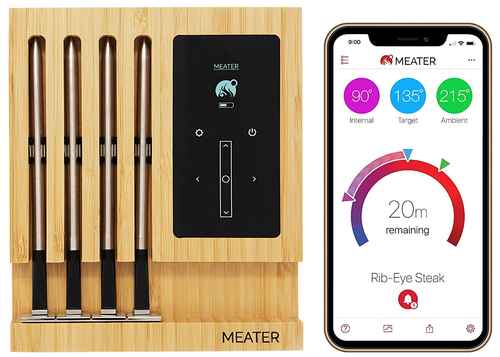
- Check Internal Temperature: Use a meat thermometer to measure the center. Fully cooked kielbasa should reach 165°F (74°C).
- Texture Test: Properly heated kielbasa should feel firm but not tough; it should slice easily with a knife without crumbling.
- Juice Check: If you cut into the sausage, clear juices indicate it is done, while pink or red juices suggest further cooking is needed.
Being patient and precise here ensures that your kielbasa retains its smoky flavor and juiciness rather than drying out.
Ingredients Needed
Cooking kielbasa in a slow cooker allows for a range of flavor combinations, but a basic ingredient list might include:
- Kielbasa sausage – 1-2 pounds, sliced or whole
- Vegetables – onions, bell peppers, carrots, potatoes, cabbage
- Liquids – chicken broth, beer, or a combination of broth and apple juice for sweetness
- Seasonings – garlic, smoked paprika, black pepper, salt, thyme, or bay leaves
- Optional additions – mustard, sauerkraut, tomatoes, or a touch of brown sugar for caramelization
This combination ensures a balance of smoky, sweet, and savory flavors.
How To Cook Kielbasa In Slow Cooker
- Prepare Ingredients: Slice the kielbasa into 1-inch pieces if desired. Chop vegetables uniformly to ensure even cooking.
- Layering: Place root vegetables and harder items (like carrots and potatoes) at the bottom, as they require more cooking time. Layer the sausage on top.
- Add Liquids and Seasonings: Pour broth, beer, or juices over the ingredients, ensuring there’s enough liquid to create steam and prevent drying. Add seasonings and herbs.
- Cook: Cover and cook on low for 6-8 hours or high for 3-4 hours. Avoid lifting the lid frequently, as it slows down cooking.
- Finish and Serve: Taste for seasoning, adjust if necessary, and serve hot. Kielbasa can be enjoyed on its own, with a side of rice, or tossed with vegetables for a complete meal.
When Things Go Wrong
Even slow cooking isn’t foolproof. Common issues include:
- Soggy vegetables: Caused by overcooking or adding too much liquid. Reduce cooking time or liquid next time.
- Dry sausage: Usually occurs when cooking pre-cooked kielbasa too long. Slice and add it later in the cooking process.
- Under-seasoned dish: Slow cooking mellows flavors, so taste and adjust at the end. A splash of vinegar, mustard, or a pinch of salt can revive a bland dish.
Understanding these common pitfalls ensures your meal remains consistently delicious.
Expert Tips
- Brown sausage first: Quickly searing kielbasa in a skillet adds depth and caramelization.
- Use aromatics liberally: Garlic, onions, and fresh herbs enhance the slow-cooked flavor.
- Cut vegetables evenly: This prevents some pieces from overcooking while others remain undercooked.
- Layer smartly: Heavier vegetables go on the bottom; sausage on top prevents drying.
- Reserve some sausage: For dishes with long cooking times, add the sausage midway to retain texture.
Can I Do This Without A Slow Cooker?
Yes. Kielbasa can be cooked in a stovetop pot, Dutch oven, or oven:
- Stovetop: Simmer sausage with vegetables and broth over low heat for 30-45 minutes, stirring occasionally.
- Oven: Place ingredients in a covered casserole dish and bake at 350°F (175°C) for 45-60 minutes.
The slow cooker simply offers the advantage of “set it and forget it”, allowing flavors to develop without constant attention.
Reheating Leftovers In Slow Cooker
Leftovers can be reheated in a slow cooker on low for 1-2 hours. Add a splash of broth or water to prevent drying. For quicker reheating, stovetop simmering or microwaving works, but the slow cooker maintains a consistent texture and flavor.
FAQs
What Is The Best Way To Prepare Kielbasa For The Slow Cooker?
Before cooking, slice the kielbasa into 1-inch pieces or leave it whole depending on your recipe. Brown the sausage in a skillet first to enhance flavor and reduce excess fat, though this step is optional.
Do I Need To Thaw Kielbasa Before Using It In A Slow Cooker?
Yes, it is recommended to thaw frozen kielbasa before adding it to the slow cooker to ensure even cooking and to reduce the risk of undercooked meat.
What Vegetables Pair Well With Kielbasa In A Slow Cooker?
Common vegetables include bell peppers, onions, potatoes, carrots, cabbage, and sauerkraut. Root vegetables work especially well because they cook at a similar rate to kielbasa.
How Much Liquid Should I Add To The Slow Cooker When Cooking Kielbasa?
Typically, 1/2 to 1 cup of liquid such as broth, beer, or a sauce is sufficient. Too much liquid can make the dish watery, as kielbasa and vegetables will release moisture during cooking.
What Is The Ideal Cooking Time For Kielbasa In A Slow Cooker?
Cook on low for 4-6 hours or on high for 2-3 hours. The exact time depends on whether the kielbasa is sliced or whole, and the type of vegetables included.
Can I Cook Kielbasa With Other Meats In A Slow Cooker?
Yes, kielbasa can be combined with chicken, pork, or beef, but it’s important to ensure all meats reach their recommended internal temperatures for safe consumption.
How Can I Prevent Kielbasa From Becoming Too Salty?
Kielbasa is naturally salty, so reduce added salt in your recipe and choose low-sodium broths or sauces. Taste before adding extra seasoning near the end of cooking.
Should I Cover The Slow Cooker While Cooking Kielbasa?
Yes, always cover the slow cooker to retain moisture and ensure even cooking. Removing the lid frequently can increase cooking time and dry out the ingredients.
Can I Make A Slow Cooker Kielbasa Recipe In Advance?
Yes, you can prep ingredients the night before, store them in the refrigerator, and add them to the slow cooker the next day. Avoid cooking the kielbasa fully in advance as it may dry out.
How Do I Store Leftovers Of Slow-cooked Kielbasa?
Store leftovers in an airtight container in the refrigerator for up to 3-4 days. For longer storage, freeze in portions for up to 2 months and reheat thoroughly before serving.