
How To Cook 1kg Ham Fillet In Slow Cooker [GUIDE]
Slow-cooked ham fillet is a culinary delight that epitomizes tenderness and flavor. Unlike traditional oven-baked ham, slow cooking allows the meat to gently braise in its own juices, absorbing any accompanying herbs, spices, or glazes. The result is a succulent, melt-in-your-mouth centerpiece perfect for family dinners, holiday feasts, or a comforting weeknight meal. Cooking ham in a slow cooker is not just convenient-it transforms a simple fillet into a deeply flavorful dish, where each bite carries a delicate balance of sweetness, smokiness, and savory richness. The beauty of this method lies in its patience: low and slow heat enhances the texture and allows flavors to develop more fully than any high-temperature approach could.
Contents
- 1 How Long To Cook 1kg Ham Fillet In Slow Cooker
- 2 How To Tell If It Is Done
- 3 Ingredients Needed
- 4 How To Cook 1kg Ham Fillet In Slow Cooker
- 5 When Things Go Wrong
- 6 Expert Tips
- 7 Can I Do This Without A Slow Cooker?
- 8 Reheating Leftovers In Slow Cooker
- 9 FAQs
- 9.1 How Long Should I Cook A 1kg Ham Fillet In A Slow Cooker?
- 9.2 Do I Need To Add Liquid When Slow Cooking A Ham Fillet?
- 9.3 Should I Glaze The Ham Before Or After Slow Cooking?
- 9.4 Do I Need To Score The Ham Fillet Before Cooking?
- 9.5 Can I Cook A Frozen Ham Fillet In The Slow Cooker?
- 9.6 What Are Some Good Seasoning Options For Slow-cooked Ham?
- 9.7 Do I Need To Cover The Slow Cooker While Cooking?
- 9.8 How Can I Tell When The Ham Fillet Is Fully Cooked?
- 9.9 Can I Add Vegetables To The Slow Cooker With The Ham?
- 9.10 Can I Store Leftovers From A Slow-cooked Ham Fillet?
How Long To Cook 1kg Ham Fillet In Slow Cooker
Timing is crucial for perfectly cooked ham. For a 1kg ham fillet, the general guideline is:
- Low heat: 3 to 4 hours
- High heat: 2 to 2.5 hours
Slow cookers vary in heat intensity, so always consider your device’s characteristics. The goal is to heat the ham through without overcooking it, preserving moisture and tenderness. A slow cooker’s low, consistent heat gradually breaks down the connective tissue in the ham, ensuring each slice remains juicy rather than rubbery or dry. Remember, starting with a room-temperature ham fillet will promote even cooking, as cold meat can slow down the warming process and affect texture.
How To Tell If It Is Done
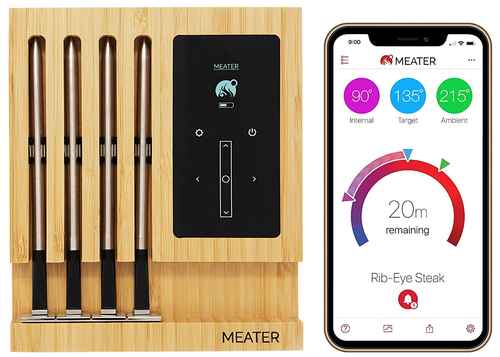
Ham is fully cooked when it reaches a safe internal temperature, but it should also have the ideal texture and flavor. Use a meat thermometer to check the temperature in the thickest part of the fillet:
- Safe internal temperature: 60-65°C (140-150°F) for pre-cooked ham
- Fully tender: The ham should be firm yet yielding, and the edges may slightly caramelize if a glaze has been used
Visually, the ham should have a glistening surface from the glaze or juices, and slicing should reveal even, juicy pink meat throughout. Avoid overcooking-it can dry out even pre-cooked fillets, stripping away the natural succulence.
Ingredients Needed
To create a flavorful slow-cooked ham fillet, you will need:
- 1kg ham fillet (pre-cooked or raw, depending on preference)
- ½ cup honey or maple syrup (for glazing)
- 2 tablespoons Dijon mustard or wholegrain mustard
- 2 cloves garlic, minced
- 1 teaspoon ground black pepper
- Optional aromatics: bay leaves, rosemary sprigs, or thyme
- ½ cup pineapple juice, orange juice, or apple cider (for braising liquid)
These ingredients combine to create a balance of sweet, savory, and tangy notes that enhance the natural flavor of the ham without overpowering it.
How To Cook 1kg Ham Fillet In Slow Cooker
- Prepare the ham: Score the surface of the ham fillet in a diamond pattern, allowing the glaze to penetrate more effectively.
- Make the glaze: Mix honey or maple syrup with mustard, garlic, and any preferred spices or herbs.
- Add liquid: Pour the chosen braising liquid (juice or cider) into the slow cooker to cover the base, preventing the ham from drying out.
- Cook: Place the ham fillet on top of the liquid, brush generously with the glaze, and cover with the slow cooker lid. Cook on low for 3-4 hours, basting occasionally for maximum flavor.
- Finish: Optional-transfer the ham under a preheated grill for 5-10 minutes to caramelize the surface for a glossy, slightly crispy exterior.
When Things Go Wrong
Even slow cooking can have pitfalls:
- Ham is dry: Likely overcooked or cooked without enough liquid. Reduce cooking time or increase braising liquid next time.
- Uneven cooking: Occurs if the fillet is too large or cold when added. Ensure the meat is closer to room temperature and is placed in a uniform position in the cooker.
- Too salty: Some pre-cooked hams are already brined. Rinse lightly or use less braising liquid to dilute excessive saltiness.
Expert Tips
- Always allow the ham to rest for 10-15 minutes after cooking; this locks in juices and makes slicing easier.
- Use a thin layer of foil inside the slow cooker if you want to reduce cleanup while still allowing proper caramelization.
- For deeper flavor, marinate the ham overnight in the glaze and aromatics before slow cooking.
- If your slow cooker lid has a vent, consider sealing it with foil to retain moisture, especially if cooking on high.
Can I Do This Without A Slow Cooker?
Yes. If you don’t have a slow cooker, an oven can be used:
- Preheat the oven to 160°C (320°F).
- Place the ham in a baking dish with liquid and cover tightly with foil.
- Cook for approximately 1.5-2 hours, basting occasionally.
- Finish under the grill for caramelization, similar to the slow cooker method.
The key difference is constant monitoring; the oven may cook slightly faster and requires careful basting to avoid drying out the ham.
Reheating Leftovers In Slow Cooker
Slow cookers are excellent for gently reheating leftover ham:
- Slice the leftover ham into portions.
- Place in the slow cooker with a splash of juice or broth to prevent drying.
- Heat on low for 1-2 hours until warm throughout.
- Avoid high heat, as it can toughen the meat.
This method preserves moisture and flavor while keeping the ham tender.
FAQs
How Long Should I Cook A 1kg Ham Fillet In A Slow Cooker?
Cooking a 1kg ham fillet in a slow cooker typically takes 4-5 hours on low heat or 2-3 hours on high heat. Slow cooking ensures the meat stays tender and absorbs any added flavors.
Do I Need To Add Liquid When Slow Cooking A Ham Fillet?
Yes, it’s recommended to add at least 1/2 to 1 cup of liquid, such as water, broth, apple juice, or a mixture of these. This helps prevent the ham from drying out and creates a flavorful base for glazing.
Should I Glaze The Ham Before Or After Slow Cooking?
For the best results, you can apply a glaze during the last 30-45 minutes of cooking. This prevents the sugars in the glaze from burning while still giving a caramelized finish.
Do I Need To Score The Ham Fillet Before Cooking?
Scoring the surface of the ham in a crisscross pattern is optional but recommended. It allows the glaze or seasoning to penetrate better and creates a visually appealing finish.
Can I Cook A Frozen Ham Fillet In The Slow Cooker?
It is not recommended to cook a frozen ham fillet directly in a slow cooker. Thaw the ham in the refrigerator for 24 hours before cooking to ensure even cooking and food safety.
What Are Some Good Seasoning Options For Slow-cooked Ham?
Common seasonings include brown sugar, honey, mustard, cloves, garlic, black pepper, and herbs like thyme or rosemary. Liquid seasonings like apple juice or pineapple juice can add extra sweetness and moisture.
Do I Need To Cover The Slow Cooker While Cooking?
Yes, always cover the slow cooker with its lid. Trapping the steam keeps the ham moist and allows it to cook evenly.
How Can I Tell When The Ham Fillet Is Fully Cooked?
The ham is fully cooked when it reaches an internal temperature of 60°C (140°F) for pre-cooked ham or 71°C (160°F) for raw ham. Using a meat thermometer is the most reliable method.
Can I Add Vegetables To The Slow Cooker With The Ham?
Yes, vegetables like carrots, potatoes, onions, and celery can be added around the ham. Keep in mind that dense vegetables may need more time to cook or should be sliced smaller to ensure they soften evenly.
Can I Store Leftovers From A Slow-cooked Ham Fillet?
Yes, store any leftovers in an airtight container in the refrigerator for up to 4 days. You can also freeze slices for up to 2 months. Reheat gently to avoid drying out the meat.