
How To Cook Carne Asada In Slow Cooker [GUIDE]
Carne asada is a classic dish beloved across Latin America, particularly in Mexico, for its tender, flavorful meat infused with spices and citrus. Traditionally, carne asada is quickly grilled over high heat to create a caramelized exterior while keeping the inside juicy. But what if you want that same rich flavor without standing over a hot grill? Enter the slow cooker-a kitchen appliance that allows even the toughest cuts of beef to transform into tender, melt-in-your-mouth goodness over several hours. Cooking carne asada in a slow cooker is not just convenient; it also deepens the flavors, as the meat slowly absorbs the marinades and seasonings, producing a dish that’s robust, succulent, and perfect for tacos, burritos, or a hearty dinner on its own.
Contents
- 1 How Long To Cook Carne Asada In Slow Cooker
- 2 How To Tell If It Is Done
- 3 Ingredients Needed
- 4 How To Cook Carne Asada In Slow Cooker
- 5 When Things Go Wrong
- 6 Expert Tips
- 7 Can I Do This Without A Slow Cooker?
- 8 Reheating Leftovers In Slow Cooker
- 9 FAQs
- 9.1 What Cut Of Beef Is Best For Carne Asada In A Slow Cooker?
- 9.2 Do I Need To Marinate Carne Asada Before Using A Slow Cooker?
- 9.3 How Long Should Carne Asada Cook In A Slow Cooker?
- 9.4 Should I Sear The Carne Asada Before Putting It In The Slow Cooker?
- 9.5 What Liquids Should I Add To The Slow Cooker For Carne Asada?
- 9.6 Can I Cook Carne Asada From Frozen In A Slow Cooker?
- 9.7 How Do I Know When The Carne Asada Is Done In The Slow Cooker?
- 9.8 Can I Add Vegetables To The Slow Cooker With Carne Asada?
- 9.9 How Do I Prevent Carne Asada From Becoming Dry In A Slow Cooker?
- 9.10 How Can I Use Leftover Slow Cooker Carne Asada?
How Long To Cook Carne Asada In Slow Cooker
Timing is critical when it comes to slow cooking carne asada. The cooking duration depends on both the cut of beef and the temperature setting on your slow cooker. Typically, flank steak or skirt steak-commonly used for carne asada-requires 4 to 6 hours on low heat or 2 to 3 hours on high heat. Slow cooking allows connective tissues to break down gradually, which enhances tenderness. Overcooking, however, can result in a texture that becomes stringy or overly soft, losing the pleasant bite associated with traditional carne asada.
Pro tip: If your slow cooker has a ’keep warm’ setting, avoid using it to finish cooking meat; it won’t tenderize further and may dry out the edges over extended periods.
How To Tell If It Is Done
Determining when carne asada is perfectly cooked in a slow cooker goes beyond timing-it’s about texture, tenderness, and internal temperature.
- Texture test: The meat should be fork-tender, meaning a fork can easily pierce and shred it without resistance.
- Juices: The meat should release clear juices when pierced. If the juices are red or bloody, it needs more cooking.
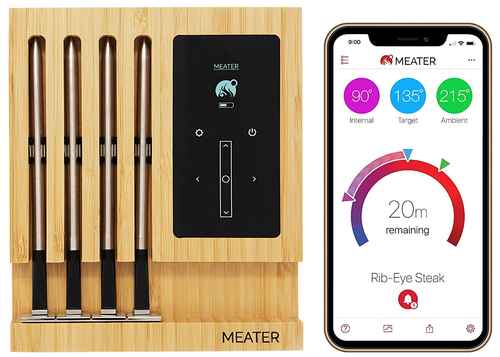
- Internal temperature: While slow cooking often keeps meat well above safe temperatures, for beef, aim for an internal temperature of at least 145°F (63°C). However, slow-cooked carne asada usually continues to soften beyond this, reaching a pull-apart consistency at around 190-200°F (88-93°C).
Ingredients Needed
Creating authentic slow-cooked carne asada requires a combination of flavorful spices, aromatic vegetables, and a well-chosen cut of beef. Here’s a detailed ingredient list:
- Beef: 2-3 pounds of flank steak, skirt steak, or sirloin tip
-
Marinade
- 4 cloves garlic, minced
- 1/4 cup fresh lime juice
- 1/4 cup orange juice
- 1/4 cup soy sauce
- 2 tablespoons olive oil
- 2 teaspoons ground cumin
- 1 teaspoon smoked paprika
- 1 teaspoon chili powder
- 1 teaspoon black pepper
- 1 teaspoon salt
-
Optional Add-ins
- 1 sliced onion
- 1-2 sliced bell peppers
- Fresh cilantro for garnish
The citrus juices in the marinade not only add brightness but also naturally tenderize the meat, making slow cooking even more effective.
How To Cook Carne Asada In Slow Cooker
- Marinate the meat: Combine the lime juice, orange juice, garlic, olive oil, soy sauce, cumin, paprika, chili powder, salt, and pepper in a large bowl. Place the beef in the mixture, cover, and refrigerate for at least 2 hours, preferably overnight.
- Prepare the slow cooker: Lightly oil the bottom of the slow cooker to prevent sticking. Optionally, layer the sliced onions and bell peppers first for a flavorful base.
- Cook the meat: Remove the beef from the marinade (reserve the liquid), and place it in the slow cooker. Pour the remaining marinade over the meat.
- Set the temperature: Cook on low for 4-6 hours or high for 2-3 hours. Check for tenderness about 30 minutes before the minimum time to avoid overcooking.
- Finish and serve: Once tender, remove the meat and let it rest for 5-10 minutes before slicing against the grain. Drizzle with the cooking juices for extra flavor.
When Things Go Wrong
Even experienced cooks can encounter issues when slow cooking carne asada. Common problems include:
- Meat too tough: Likely cooked too quickly or from a cut not suitable for slow cooking. Solution: Extend cooking time on low heat or switch to a more marbled cut like chuck roast.
- Meat too mushy: Overcooked meat can fall apart excessively. Avoid cooking beyond recommended times and consider reducing liquids to slow moisture absorption.
- Flavor too bland: Ensure the marinade includes enough salt and acid. Slow cookers tend to mellow flavors, so seasoning adjustments post-cooking can be necessary.
Expert Tips
- Sear before slow cooking: Browning the beef in a skillet adds depth through the Maillard reaction, enhancing flavor.
- Slice after resting: Always cut against the grain for maximum tenderness.
- Reduce the sauce: After cooking, pour the liquid into a pan and simmer for a few minutes to concentrate flavors for a rich, thick sauce.
- Layer strategically: Vegetables under the meat absorb juices and prevent sticking.
Can I Do This Without A Slow Cooker?
Yes, but the technique changes slightly:
- Oven method: Preheat to 275°F (135°C), place marinated meat in a covered roasting pan, and cook for 2.5-3 hours, checking periodically for tenderness.
- Stovetop method: Use a heavy-bottomed pot or Dutch oven over low heat. Simmer covered for 2-3 hours, adding liquid if necessary.
Both methods aim to replicate the low-and-slow cooking environment that a slow cooker naturally provides.
Reheating Leftovers In Slow Cooker
Leftover carne asada reheats beautifully in a slow cooker without losing moisture:
- Transfer leftovers and a splash of beef broth or water to the slow cooker.
- Heat on low for 1-2 hours, stirring occasionally.
- Avoid high heat for extended periods, which can dry out the meat.
This method ensures the meat remains tender and the flavors reabsorb into the beef.
FAQs
What Cut Of Beef Is Best For Carne Asada In A Slow Cooker?
For slow cooker carne asada, flank steak, skirt steak, or sirloin are ideal because they have good flavor and marbling. These cuts become tender and absorb marinades well during slow cooking.
Do I Need To Marinate Carne Asada Before Using A Slow Cooker?
Yes, marinating is recommended. A marinade with citrus, garlic, onions, and spices enhances flavor and helps tenderize the meat. Marinate for at least 2 hours or overnight for best results.
How Long Should Carne Asada Cook In A Slow Cooker?
Cooking time depends on your slow cooker setting. On low, it typically takes 6-8 hours; on high, about 3-4 hours. The goal is tender meat that shreds easily.
Should I Sear The Carne Asada Before Putting It In The Slow Cooker?
Searing is optional but recommended. Browning the meat on all sides before slow cooking adds depth of flavor and improves texture.
What Liquids Should I Add To The Slow Cooker For Carne Asada?
Common liquids include beef broth, orange juice, lime juice, or a combination of these. These help keep the meat moist and contribute to a flavorful cooking sauce.
Can I Cook Carne Asada From Frozen In A Slow Cooker?
It is not recommended to cook frozen meat in a slow cooker, as it may stay in the temperature danger zone too long, increasing the risk of bacterial growth. Thaw the meat first for safe and even cooking.
How Do I Know When The Carne Asada Is Done In The Slow Cooker?
The meat is done when it is tender enough to shred with a fork. Internal temperature should reach at least 145°F (63°C), though slow cooking often results in even higher temperatures for tenderness.
Can I Add Vegetables To The Slow Cooker With Carne Asada?
Yes, vegetables like onions, bell peppers, and tomatoes can be added. Root vegetables like carrots or potatoes may need to be cut smaller to cook evenly within the same timeframe as the meat.
How Do I Prevent Carne Asada From Becoming Dry In A Slow Cooker?
To prevent dryness, cook on low heat, add sufficient liquid, and avoid overcooking. Wrapping the meat in foil or keeping it partially submerged in the cooking liquid helps retain moisture.
How Can I Use Leftover Slow Cooker Carne Asada?
Leftover carne asada can be used in tacos, burritos, salads, or sandwiches. Refrigerate for up to 4 days or freeze for up to 3 months. Reheat gently to maintain tenderness.