
How To Cook Beef Flank Joint In Slow Cooker [GUIDE]
Beef flank joint is a lean, flavorful cut of meat that sits just below the loin of the cow. Unlike the tender cuts such as ribeye or tenderloin, the flank has a denser texture and pronounced grain. This makes it ideal for slow, gentle cooking methods that break down its fibrous structure, resulting in a tender, succulent dish. The slow cooker, with its low and consistent heat, is perfect for transforming this otherwise tough cut into a melt-in-your-mouth experience.
The beauty of cooking a beef flank joint in a slow cooker lies in its simplicity. You can combine the meat with aromatics, broth, and vegetables, leave it unattended for hours, and emerge with a deeply flavored, hearty meal. Understanding how to cook it correctly ensures you avoid the common pitfall of ending up with a chewy, dry dish.
Contents
- 1 How Long To Cook Beef Flank Joint In Slow Cooker
- 2 How To Tell If It Is Done
- 3 Ingredients Needed
- 4 How To Cook Beef Flank Joint In Slow Cooker
- 5 When Things Go Wrong
- 6 Expert Tips
- 7 Can I Do This Without A Slow Cooker?
- 8 Reheating Leftovers In Slow Cooker
- 9 FAQs
- 9.1 What Is The Best Way To Prepare A Beef Flank Joint For The Slow Cooker?
- 9.2 How Long Should A Beef Flank Joint Be Cooked In A Slow Cooker?
- 9.3 What Liquid Should I Use To Cook A Flank Joint In A Slow Cooker?
- 9.4 Should I Cover The Slow Cooker While Cooking The Beef Flank Joint?
- 9.5 Can Vegetables Be Added When Cooking A Flank Joint In A Slow Cooker?
- 9.6 Do I Need To Marinate The Beef Flank Joint Before Slow Cooking?
- 9.7 How Do I Know When The Beef Flank Joint Is Cooked Properly?
- 9.8 Should I Rest The Meat After Slow Cooking?
- 9.9 Can I Cook A Frozen Flank Joint In A Slow Cooker?
- 9.10 How Can I Make A Sauce Or Gravy From The Slow-cooked Beef Flank Joint?
How Long To Cook Beef Flank Joint In Slow Cooker
Time is the ultimate factor in slow cooking a beef flank joint. Since this cut is lean and fibrous, it benefits from extended cooking at low temperatures. Here’s a general guide:
- Low setting: 6-8 hours
- High setting: 3-4 hours
The goal is to allow the connective tissue and collagen to break down gradually without drying out the meat. Cooking it too quickly at high heat may result in a tough and stringy texture. On the other hand, a slow, patient approach ensures that each slice is tender and flavorful.
Cooking times may vary slightly depending on the size of the joint, the slow cooker model, and whether you are cooking it with liquid or uncovered. Always allow a little extra time if your slow cooker tends to run cooler, as undercooked flank steak will be chewy and difficult to slice.
How To Tell If It Is Done
Determining doneness for beef flank joint is both a science and an art. Since this cut is often served medium to well-done, the best indicators are texture and internal temperature:
-
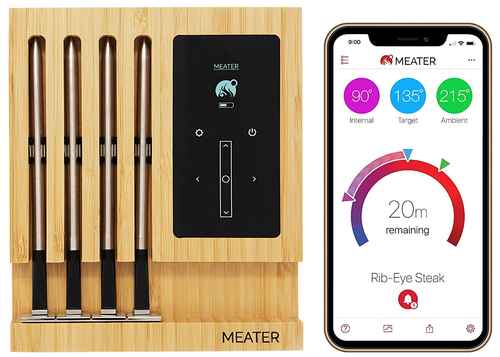
Internal Temperature: A meat thermometer is your best friend. The flank joint is tender and safe at:
- Medium: 145°F (63°C)
- Medium-well: 155°F (68°C)
- Well-done: 160°F (71°C)
- Texture Test: Gently press the meat with tongs or a fork. It should yield slightly under pressure but not feel mushy. A properly cooked flank joint will easily pull apart with a fork, showing fibers that are tender but intact.
- Visual Cues: The surface should be richly browned from the cooking process, and the juices should run clear, not pink.
Ingredients Needed
Here’s a list of the basic ingredients to make a flavorful slow-cooked beef flank joint:
- Beef flank joint: 2-3 pounds, trimmed of excess fat
- Onions: 1-2, sliced
- Carrots: 2-3, cut into chunks
- Celery: 2 stalks, chopped
- Garlic: 3-4 cloves, crushed
- Beef broth or stock: 1-2 cups
- Red wine (optional): ½ cup for richness
- Herbs: Fresh thyme, rosemary, or bay leaves
- Seasoning: Salt, black pepper, and optional smoked paprika
- Oil: 1-2 tablespoons for browning (optional but recommended)
Additional optional ingredients can include mushrooms, parsnips, potatoes, or Worcestershire sauce for deeper flavor.
How To Cook Beef Flank Joint In Slow Cooker
- Prep the meat: Pat the beef dry with paper towels. Season generously with salt and pepper.
- Optional searing: Heat oil in a pan over medium-high heat. Sear the flank joint for 2-3 minutes per side until golden brown. This step locks in flavor and adds depth.
- Layer the aromatics: Place onions, carrots, celery, and garlic at the bottom of the slow cooker.
- Add the meat: Lay the flank joint on top of the vegetables.
- Pour in liquids: Add beef broth and optional red wine, ensuring the liquid comes about halfway up the joint. Add herbs on top.
- Cook: Cover and set the slow cooker on low for 6-8 hours or high for 3-4 hours. Avoid lifting the lid frequently, as this releases heat and lengthens cooking time.
- Rest before slicing: Remove the joint and let it rest for 10-15 minutes. Slice against the grain for the most tender results.
When Things Go Wrong
Even with the forgiving nature of slow cookers, mistakes can happen:
- Meat is tough: Likely undercooked. Extend cooking time and ensure the meat reaches the appropriate internal temperature.
- Meat is dry: Overcooking or insufficient liquid may be the cause. Always keep some broth in the cooker to maintain moisture.
- Lack of flavor: Ensure seasoning is applied early, and consider deglazing the searing pan with wine or broth before adding it to the slow cooker.
Expert Tips
- Cut against the grain: Flank steak fibers run lengthwise. Slicing across them shortens fibers, making each bite more tender.
- Low and slow is key: Patience pays off. Even an extra hour on low improves tenderness significantly.
- Use aromatics generously: They not only flavor the meat but also enrich the cooking liquid for sauces or gravy.
- Rest meat before slicing: This allows juices to redistribute, preventing dry edges.
Can I Do This Without A Slow Cooker?
Yes. The slow cooker is convenient, but a beef flank joint can be cooked in the oven or on the stovetop using a braising method:
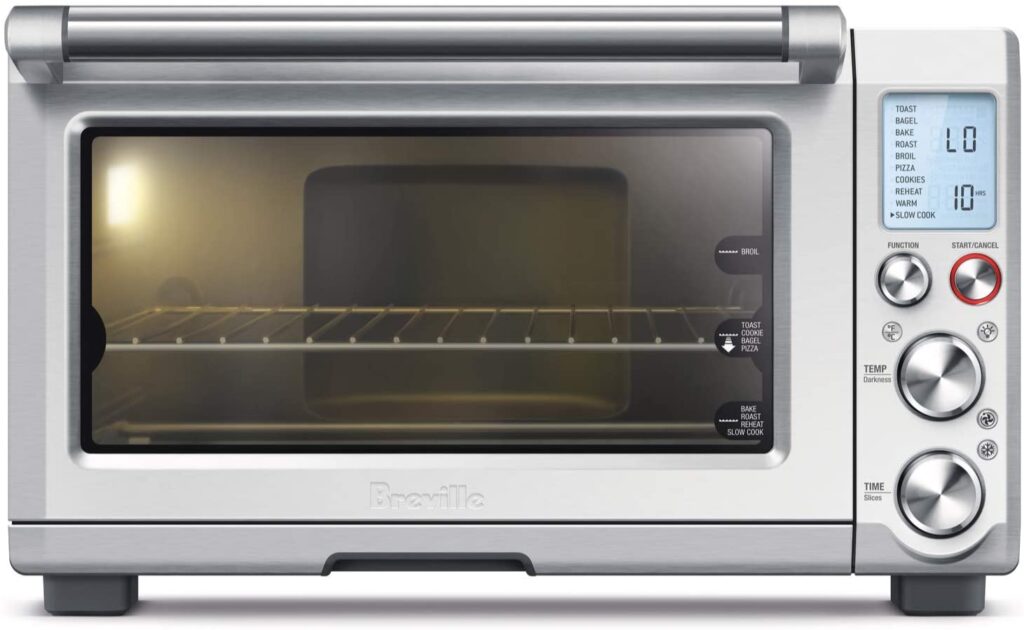
- Oven: Preheat to 275°F (135°C). Brown the meat, add liquid, cover tightly, and cook for 3-4 hours until tender.
- Stovetop: Use a heavy pot with a tight lid (like a Dutch oven). Simmer gently in broth over low heat for 3-4 hours.
The key principle remains: low temperature and slow cooking to break down the muscle fibers.
Reheating Leftovers In Slow Cooker
Leftovers can be gently reheated without losing moisture:
- Place sliced or whole leftover flank joint in the slow cooker.
- Add a splash of broth or pan juices to prevent drying.
- Set to low for 1-2 hours or warm for 30-60 minutes.
- Avoid reheating on high, as lean meat can become tough.
FAQs
What Is The Best Way To Prepare A Beef Flank Joint For The Slow Cooker?
Trim excess fat and silver skin from the flank joint, then season it generously with salt, pepper, and any preferred herbs or spices. Searing the meat in a hot pan for 2-3 minutes per side before adding it to the slow cooker enhances flavor and helps retain juices.
How Long Should A Beef Flank Joint Be Cooked In A Slow Cooker?
Cooking times depend on the size of the joint and the heat setting. Generally, cook a 1-1.5 kg flank joint on low for 6-8 hours or on high for 3-4 hours until the meat is tender.
What Liquid Should I Use To Cook A Flank Joint In A Slow Cooker?
You can use beef stock, broth, wine, or a combination as the cooking liquid. About 1-2 cups is usually sufficient to keep the meat moist and infuse flavor, while not submerging it completely.
Should I Cover The Slow Cooker While Cooking The Beef Flank Joint?
Yes, always cover the slow cooker with its lid to retain heat and moisture, which ensures the meat cooks evenly and remains tender.
Can Vegetables Be Added When Cooking A Flank Joint In A Slow Cooker?
Absolutely. Root vegetables such as carrots, potatoes, and parsnips can be placed at the bottom of the slow cooker, creating a natural rack for the meat and absorbing rich flavors during cooking.
Do I Need To Marinate The Beef Flank Joint Before Slow Cooking?
Marinating is optional but recommended. A marinade of oil, acid (like vinegar or lemon juice), herbs, and spices for 2-4 hours or overnight can enhance flavor and improve tenderness.
How Do I Know When The Beef Flank Joint Is Cooked Properly?
The meat is done when it is fork-tender and easily shredded with a fork. Internal temperature should reach at least 63°C (145°F) for medium-rare or higher if preferred.
Should I Rest The Meat After Slow Cooking?
Yes, allow the meat to rest for 10-15 minutes after removing it from the slow cooker. This helps the juices redistribute, keeping the meat moist and flavorful when sliced.
Can I Cook A Frozen Flank Joint In A Slow Cooker?
It is not recommended to cook frozen meat in a slow cooker because it may remain in the unsafe temperature zone too long, increasing the risk of bacterial growth. Always thaw the meat first.
How Can I Make A Sauce Or Gravy From The Slow-cooked Beef Flank Joint?
After removing the meat, skim off excess fat from the cooking liquid. Then, you can thicken it with a slurry of flour or cornstarch mixed with cold water, or reduce it by simmering on the stovetop until it reaches the desired consistency.