
How To Cook Ribs In Slow Cooker On Low [GUIDE]
Few culinary delights evoke as much mouthwatering anticipation as tender, juicy ribs. Slow-cooked ribs, in particular, offer a uniquely satisfying experience: meat that falls off the bone with minimal effort, infused with rich flavors that develop over hours of gentle heat. Using a slow cooker allows home cooks to achieve this restaurant-quality tenderness without the constant attention of oven roasting or grilling. Low, steady heat breaks down connective tissues, rendering the ribs succulent and flavorful. Beyond convenience, the slow cooker method also locks in juices, creating a sauce or glaze that clings to each rib, enhancing every bite. Whether preparing a weeknight family dinner or impressing guests, mastering ribs in a slow cooker is a culinary skill worth perfecting.
Contents
- 1 How Long To Cook Ribs In Slow Cooker On Low
- 2 How To Tell If It Is Done
- 3 Ingredients Needed
- 4 How To Cook Ribs In Slow Cooker On Low
- 5 When Things Go Wrong
- 6 Expert Tips
- 7 Can I Do This Without A Slow Cooker?
- 8 Reheating Leftovers In Slow Cooker
- 9 FAQs
- 9.1 What Type Of Ribs Are Best For Slow Cooking On Low?
- 9.2 Do I Need To Pre-cook Or Boil The Ribs Before Using A Slow Cooker?
- 9.3 How Long Should Ribs Be Cooked On Low In A Slow Cooker?
- 9.4 Should I Add Liquid To The Slow Cooker When Cooking Ribs?
- 9.5 Can I Cook Ribs In A Slow Cooker Without Sauce?
- 9.6 Do Ribs Need To Be Wrapped In Foil For Slow Cooking?
- 9.7 How Do I Know When Slow Cooker Ribs Are Done?
- 9.8 Can I Add Vegetables To The Slow Cooker With Ribs?
- 9.9 Should I Remove The Ribs From The Slow Cooker Before Serving?
- 9.10 Can I Cook Frozen Ribs In A Slow Cooker On Low?
How Long To Cook Ribs In Slow Cooker On Low
Timing is everything when it comes to slow cooking ribs. On low heat, the goal is a slow, gradual breakdown of collagen and connective tissue without drying out the meat. Typically, baby back ribs require 6 to 8 hours on low, while larger, meatier spareribs may need 7 to 9 hours. The key is patience-rushing the process on a higher setting often results in tough or rubbery meat, defeating the purpose of slow cooking. For optimal tenderness, plan ahead and allow your ribs to cook uninterrupted. You can even start them in the morning to enjoy perfectly cooked ribs by dinner.
How To Tell If It Is Done
Visual and tactile cues are your best indicators for perfectly cooked ribs:
- Meat Shrinkage: The meat should have pulled back slightly from the ends of the bones, exposing tips of the ribs.
- Texture: Ribs should be tender enough that a fork slides in easily, yet still hold their structure when lifted. Overcooking will cause them to fall apart completely.
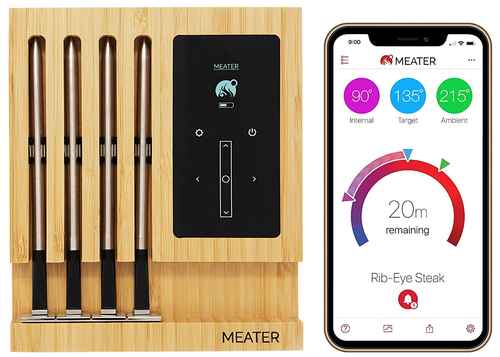
- Internal Temperature: If using a meat thermometer, ribs are done around 190-203°F (88-95°C). This high temperature ensures connective tissue has fully broken down, producing a tender bite.
- Bend Test: Pick up a rib with tongs and gently bend it. It should bend slightly and crack on the surface but not completely disintegrate.
Ingredients Needed
To craft slow-cooked ribs that are both succulent and flavorful, you will need:
- Ribs: Baby back or spareribs (about 2-3 pounds)
- Salt and Pepper: For basic seasoning
- Spices & Herbs: Garlic powder, onion powder, paprika, smoked paprika (optional), chili powder
- Sauce: Barbecue sauce (store-bought or homemade), honey, or a glaze of your choice
- Liquid Base: Water, apple juice, or broth to maintain moisture in the slow cooker
- Optional Enhancers: Worcestershire sauce, soy sauce, brown sugar, mustard, hot sauce
The combination of dry spices and slow cooking liquid is key to layering flavor before finishing with a sticky sauce for glazing.
How To Cook Ribs In Slow Cooker On Low
- Prep the Ribs: Remove the silver skin from the back of the ribs to ensure tenderness and proper seasoning penetration. Pat dry.
- Season Generously: Rub a mixture of salt, pepper, and your chosen spices all over the ribs. Let it rest for 15-30 minutes if time allows.
- Layer in Slow Cooker: Depending on size, cut ribs into manageable sections. Place them bone side down, layering if needed, leaving a small space for liquid circulation.
- Add Liquid: Pour your chosen liquid around the ribs-avoid covering them completely. About ¼-½ cup is usually sufficient.
- Cook on Low: Cover and cook for 6-9 hours, depending on rib type and thickness. Resist the temptation to lift the lid frequently, as this prolongs cooking time.
- Optional Glaze Finish: Once cooked, brush with barbecue sauce and broil in the oven or finish on a grill for 5-10 minutes to caramelize the sauce for a sticky, flavorful crust.
When Things Go Wrong
Even the most careful preparation can sometimes go awry. Common pitfalls include:
- Tough or Chewy Ribs: Usually a result of insufficient cooking time or ribs cooked on high. Remedy: continue cooking on low and check every hour.
- Dry Meat: Caused by too little liquid or overcooking. Ensure some liquid remains in the slow cooker, and consider adding a little apple juice or broth if drying occurs.
- Flavorless Ribs: Often due to insufficient seasoning or lack of sauce. Rub generously and finish with a flavorful glaze.
By understanding the causes, you can troubleshoot and rescue ribs before they become inedible.
Expert Tips
- Remove Silver Skin: This thin membrane prevents seasonings from penetrating and can make ribs chewy.
- Cut Ribs for Even Cooking: Sectioning ribs into 2-3 bone pieces ensures they cook evenly.
- Layer Flavors: Apply dry rub first, slow cook, then glaze at the end to balance tender meat with a sticky, caramelized exterior.
- Use Foil: If desired, wrap ribs in foil with liquid to trap steam, ensuring even tenderness.
- Resist Peeking: Every lid lift extends cooking time. Trust the slow cooker to work its magic.
Can I Do This Without A Slow Cooker?
Yes, slow-cooked ribs can be achieved in other ways:
- Oven: Wrap seasoned ribs in foil, bake at 275°F (135°C) for 2.5-3 hours, then finish under the broiler or on the grill.
- Pressure Cooker/Instant Pot: Cook on high pressure for 25-30 minutes with 1 cup liquid, then finish with a glaze under the broiler or grill.
Each method mimics slow cooking principles: low, steady heat for tenderization, followed by a high-heat finish for caramelization.
Reheating Leftovers In Slow Cooker
Reheating ribs in a slow cooker preserves moisture and flavor:
- Place leftover ribs in the slow cooker.
- Add a small amount of water, broth, or sauce to prevent drying.
- Heat on low for 1-2 hours, until ribs reach internal temperature of 165°F (74°C).
- Optionally, reapply a fresh layer of barbecue sauce before serving to refresh the flavor.
This method avoids the rubbery texture that microwave reheating can produce.
FAQs
What Type Of Ribs Are Best For Slow Cooking On Low?
Pork ribs such as baby back ribs or spare ribs work best in a slow cooker. Baby back ribs are more tender and cook faster, while spare ribs have more connective tissue, which benefits from the long, slow cooking process.
Do I Need To Pre-cook Or Boil The Ribs Before Using A Slow Cooker?
No, pre-cooking is not required. Slow cooking on low for several hours allows the ribs to become tender while retaining moisture. Some people prefer to sear them briefly for added flavor, but it is optional.
How Long Should Ribs Be Cooked On Low In A Slow Cooker?
Ribs should generally be cooked on low for 6 to 8 hours. This slow cooking process breaks down connective tissue and renders the meat tender without drying it out.
Should I Add Liquid To The Slow Cooker When Cooking Ribs?
Yes, adding a small amount of liquid, such as water, broth, or a combination of barbecue sauce and apple juice, helps maintain moisture and prevents the ribs from drying out.
Can I Cook Ribs In A Slow Cooker Without Sauce?
Yes, ribs can be cooked without sauce, but adding a liquid or marinade helps keep them moist and infuses flavor. You can apply barbecue sauce after cooking for a caramelized finish if preferred.
Do Ribs Need To Be Wrapped In Foil For Slow Cooking?
It is not necessary to wrap ribs in foil, as the slow cooker creates a sealed environment that keeps moisture in. Wrapping can be used if you want to concentrate flavors or prevent sauce from splattering.
How Do I Know When Slow Cooker Ribs Are Done?
Ribs are done when the meat is tender and easily pulls away from the bone. A fork should slide in with minimal resistance, and the internal temperature should reach at least 190°F for fall-off-the-bone texture.
Can I Add Vegetables To The Slow Cooker With Ribs?
Yes, vegetables such as onions, carrots, and potatoes can be added. They will cook alongside the ribs, absorbing flavors and releasing moisture, but avoid overfilling the slow cooker to ensure even cooking.
Should I Remove The Ribs From The Slow Cooker Before Serving?
It is recommended to carefully remove the ribs and let them rest for 5-10 minutes before slicing. This allows the juices to redistribute and enhances tenderness. You can also brush them with additional barbecue sauce at this stage.
Can I Cook Frozen Ribs In A Slow Cooker On Low?
It is not recommended to cook frozen ribs directly in a slow cooker on low, as it may remain in the temperature danger zone too long, increasing the risk of bacteria. Thaw ribs in the refrigerator before slow cooking.