
How To Cook Beef Bottom Round Roast In Slow Cooker [GUIDE]
The beef bottom round roast, derived from the rear leg of the cow, is a lean, flavorful cut that boasts a rich, beefy taste but can be notoriously tough if not cooked properly. Unlike more marbled cuts such as ribeye or chuck, the bottom round contains less fat and connective tissue, which means it requires slow, gentle cooking to become tender. The slow cooker, with its low and consistent heat, is an ideal appliance for transforming this economical yet robust cut into a melt-in-your-mouth centerpiece. Beyond convenience, cooking a bottom round roast in a slow cooker allows the meat to absorb flavors from accompanying vegetables, herbs, and broths, resulting in a deeply satisfying, homestyle dish perfect for family dinners or meal prepping.
This guide dives into every aspect of the slow cooker method: from timing and ingredients to troubleshooting, tips, and even reheating leftovers. By the end, you’ll have a full understanding of how to turn a lean roast into a succulent, tender masterpiece.
Contents
- 1 How Long To Cook Beef Bottom Round Roast In Slow Cooker
- 2 How To Tell If It Is Done
- 3 Ingredients Needed
- 4 How To Cook Beef Bottom Round Roast In Slow Cooker
- 5 When Things Go Wrong
- 6 Expert Tips
- 7 Can I Do This Without A Slow Cooker?
- 8 Reheating Leftovers In Slow Cooker
- 9 FAQs
- 9.1 What Is The Best Way To Prepare A Beef Bottom Round Roast For The Slow Cooker?
- 9.2 How Much Liquid Should I Add To The Slow Cooker For A Bottom Round Roast?
- 9.3 What Vegetables Are Best To Cook With A Beef Bottom Round Roast In A Slow Cooker?
- 9.4 Should I Cover The Roast Completely With Liquid In The Slow Cooker?
- 9.5 What Is The Recommended Cooking Time And Temperature For A Beef Bottom Round Roast In A Slow Cooker?
- 9.6 How Do I Know When The Roast Is Done And Tender?
- 9.7 Can I Cook A Frozen Beef Bottom Round Roast In The Slow Cooker?
- 9.8 How Can I Make A Flavorful Gravy From The Slow-cooked Roast?
- 9.9 Is It Necessary To Sear The Roast Before Slow Cooking?
- 9.10 How Long Can I Store Leftover Slow-cooked Bottom Round Roast?
How Long To Cook Beef Bottom Round Roast In Slow Cooker
Cooking time is pivotal when working with a lean cut like the bottom round roast. The slow cooker operates at two primary settings: low and high, and the cooking time varies depending on your choice.
- Low Setting: 8-10 hours
- High Setting: 4-6 hours
The low-and-slow method is preferred because it allows the connective tissue to break down gradually, yielding a tender roast without drying out. A high setting can work in a pinch, but it risks uneven cooking and may require more vigilant monitoring.
The size of the roast also plays a role. A 3-4 pound roast will cook as mentioned above, but anything larger may require extra time. Additionally, if you like your vegetables soft and fully infused with flavor, they can be added early in the cooking process; otherwise, adding them halfway through prevents overcooking.
How To Tell If It Is Done
Unlike a grilled steak where color and firmness are indicators, bottom round roast requires a more nuanced approach:
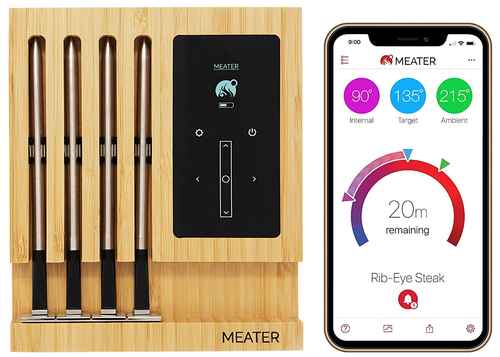
- Internal Temperature: Use a meat thermometer. The USDA recommends a minimum of 145°F for medium-rare, but slow-cooked roasts are best when they reach 190-200°F, where the connective tissue has fully broken down for optimal tenderness.
- Fork Test: The meat should shred easily with a fork. If you try to pierce it and it resists, it needs more time.
- Juiciness: The roast should release flavorful juices when cut or pierced, signaling that it has not dried out.
Combining these indicators ensures your roast is both safe and delicious.
Ingredients Needed
While the beauty of a slow cooker roast is its simplicity, a few key ingredients elevate the dish:
- Beef bottom round roast (3-4 pounds)
- Salt and pepper, to taste
- Garlic cloves (3-4, minced)
- Onion (1 large, sliced)
- Carrots (3-4, cut into chunks)
- Potatoes (4-5 medium, quartered)
- Celery (2-3 stalks, sliced)
- Beef broth (1-2 cups)
- Red wine (optional, ½ cup for richness)
- Fresh herbs: rosemary, thyme, or bay leaves
- Olive oil or vegetable oil, for searing (optional but recommended)
These ingredients allow for a harmonious blend of flavors that seep deeply into the meat over several hours.
How To Cook Beef Bottom Round Roast In Slow Cooker
Step 1: Prep The Roast
Pat the meat dry with paper towels to ensure proper browning. Season generously with salt and pepper on all sides.
Step 2: Optional Searing
In a hot skillet with olive oil, sear the roast for 2-3 minutes per side until golden brown. This step is optional but adds depth and a caramelized flavor.
Step 3: Arrange Vegetables
Place carrots, potatoes, celery, and onions at the bottom of the slow cooker. This creates a natural ’rack’ for the meat and infuses the roast with flavor.
Step 4: Add Liquid And Herbs
Pour beef broth and optional wine around-not over-the roast to maintain the seasoning on the meat. Add herbs, pushing them slightly into the broth for maximum aroma.
Step 5: Slow Cook
Cover and cook on low for 8-10 hours or on high for 4-6 hours. Avoid removing the lid frequently; each peek can extend cooking time.
Step 6: Rest And Serve
Once done, remove the roast and let it rest for 10-15 minutes. Slice against the grain for maximum tenderness. Serve with vegetables and a drizzle of the slow-cooked juices.
When Things Go Wrong
Even seasoned cooks can encounter issues:
- Meat is tough: Likely undercooked. Return to slow cooker and extend cooking time. Low and slow works best.
- Dry roast: May result from insufficient liquid or high heat. Always ensure the roast is partially submerged in broth.
- Vegetables overcooked: If added at the start, root vegetables can become mushy. For firmer vegetables, add halfway through cooking.
- Flavorless broth: Enhance with Worcestershire sauce, soy sauce, or additional herbs.
Understanding these common pitfalls allows you to salvage and improve the dish without stress.
Expert Tips
- Searing enhances flavor even if optional.
- Use a meat thermometer rather than relying on time alone.
- Add potatoes later if you prefer them firm.
- Let the roast rest before slicing; juices redistribute for moist meat.
- Make gravy from drippings by reducing them with a bit of cornstarch slurry.
- Rotate the roast halfway through cooking for even heat distribution.
Can I Do This Without A Slow Cooker?
Absolutely. You can achieve similar results using:
- Oven Roasting: Cook in a covered Dutch oven at 275°F for 3-4 hours, ensuring liquid is present to prevent drying.
- Pressure Cooker/Instant Pot: Use the ’Meat/Stew’ setting for 60-75 minutes with natural pressure release.
The slow cooker is convenient for hands-off cooking, but alternative methods can match tenderness if monitored closely.
Reheating Leftovers In Slow Cooker
Leftovers retain their quality if reheated gently:
- Transfer meat and vegetables to the slow cooker.
- Add a splash of broth or water to prevent drying.
- Heat on low for 1-2 hours, or until warmed through.
Avoid high heat, which can make the meat stringy or dry.
FAQs
What Is The Best Way To Prepare A Beef Bottom Round Roast For The Slow Cooker?
Trim excess fat from the roast and pat it dry with paper towels. Season generously with salt, pepper, and any preferred herbs or spices. For extra flavor, you can sear the roast in a hot skillet for 2-3 minutes on each side before placing it in the slow cooker.
How Much Liquid Should I Add To The Slow Cooker For A Bottom Round Roast?
Add enough liquid to cover the bottom of the slow cooker by about 1/2 to 1 inch. Common options include beef broth, water, or a combination with wine or tomato-based sauces. The liquid helps keep the roast moist and creates a flavorful base for gravy or sauce.
What Vegetables Are Best To Cook With A Beef Bottom Round Roast In A Slow Cooker?
Root vegetables such as carrots, potatoes, and parsnips work well. Onions, celery, and garlic also add depth of flavor. Cut vegetables into large chunks to prevent them from overcooking during the long slow-cooking process.
Should I Cover The Roast Completely With Liquid In The Slow Cooker?
No, covering the roast completely is not necessary. The slow cooker environment creates steam that cooks the meat evenly. Ensure there is enough liquid at the bottom to prevent burning, but the roast can sit partially above the liquid for better browning and texture.
What Is The Recommended Cooking Time And Temperature For A Beef Bottom Round Roast In A Slow Cooker?
Cook the roast on low heat for 8 to 10 hours or on high heat for 4 to 6 hours. Cooking on low is preferred, as it allows the connective tissue to break down slowly, resulting in a tender, flavorful roast.
How Do I Know When The Roast Is Done And Tender?
The roast is done when it reaches an internal temperature of 190°F to 200°F for shreddable meat or 145°F to 160°F if you prefer it sliceable. Additionally, the meat should be fork-tender and pull apart easily without resistance.
Can I Cook A Frozen Beef Bottom Round Roast In The Slow Cooker?
It is not recommended to cook a frozen roast in the slow cooker. Slow cookers heat slowly, and starting with frozen meat can keep it in the temperature danger zone (40°F-140°F) too long, increasing the risk of bacterial growth. Always thaw the roast in the refrigerator first.
How Can I Make A Flavorful Gravy From The Slow-cooked Roast?
After removing the roast and vegetables, strain the cooking liquid into a saucepan. Simmer and thicken with a slurry of cornstarch and water or a roux made with butter and flour. Adjust seasoning with salt, pepper, and herbs as needed.
Is It Necessary To Sear The Roast Before Slow Cooking?
Searing is optional but recommended. Browning the roast before slow cooking develops deeper flavors through the Maillard reaction. If you skip searing, the roast will still cook, but the flavor may be slightly less rich.
How Long Can I Store Leftover Slow-cooked Bottom Round Roast?
Store leftover roast in an airtight container in the refrigerator for up to 3-4 days. For longer storage, freeze in portions for up to 3 months. Reheat gently in a covered pan or microwave to prevent drying out the meat.