
How To Cook Eye Round Roast In Slow Cooker [GUIDE]
Eye of round roast is a lean, tightly grained cut of beef taken from the hindquarter of the cow. Known for its affordability and uniform shape, it is frequently chosen for slow-cooked meals, sliced roast beef, and dishes requiring thin, tender slices. While it is not naturally rich in marbling, the eye round roast becomes remarkably tender when cooked low and slow, making the slow cooker one of the most reliable methods for turning this modest cut into a flavorful, succulent centerpiece.
This guide will walk you through every important detail, from cooking times and doneness cues to troubleshooting common issues, ensuring you achieve a consistently tender roast every time.
Contents
- 1 How Long To Cook Eye Round Roast In Slow Cooker
- 2 How To Tell If It Is Done
- 3 Ingredients Needed
- 4 How To Cook Eye Round Roast In Slow Cooker
- 5 When Things Go Wrong
- 6 Expert Tips
- 7 Can I Do This Without A Slow Cooker?
- 8 Reheating Leftovers In Slow Cooker
- 9 FAQs
- 9.1 What Is The Best Way To Prepare An Eye Round Roast For The Slow Cooker?
- 9.2 How Long Should An Eye Round Roast Cook In A Slow Cooker?
- 9.3 What Liquid Should I Use In The Slow Cooker For An Eye Round Roast?
- 9.4 Do I Need To Brown The Roast Before Slow Cooking?
- 9.5 Should I Add Vegetables To The Slow Cooker With The Roast?
- 9.6 How Can I Tell When The Eye Round Roast Is Done?
- 9.7 Can I Cook Frozen Eye Round Roast In A Slow Cooker?
- 9.8 How Do I Make A Flavorful Sauce Or Gravy From The Slow Cooker Juices?
- 9.9 Can I Cook An Eye Round Roast On High In A Slow Cooker?
- 9.10 How Should I Store Leftover Eye Round Roast Cooked In A Slow Cooker?
How Long To Cook Eye Round Roast In Slow Cooker
The cooking time depends on two main factors: the size of your roast and whether you choose the low or high setting on your slow cooker.
General Time Guidelines
- Low setting: 7 to 9 hours
- High setting: 4 to 5 hours
Small roasts under 2 pounds tend to finish sooner, while roasts 3 to 4 pounds require the longer end of the range. The low setting is strongly preferred for the most tender result. The connective tissues break down more slowly and evenly, allowing the roast to develop moisture and flavor without tightening and turning dry.
For best results, avoid lifting the lid during cooking; each opening releases heat and can extend the cooking time by 20 to 30 minutes.
How To Tell If It Is Done
Eye round roast is lean, so determining doneness is critical for keeping it tender. You have two reliable options:
Temperature Method
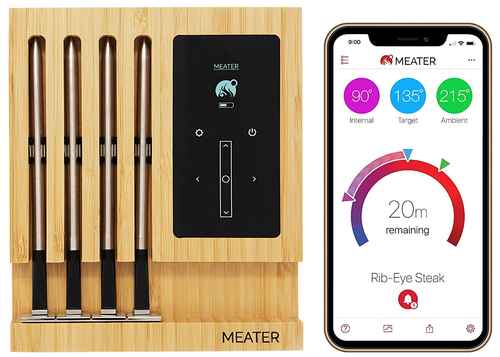
Use an instant-read thermometer inserted into the thickest part of the roast.
- Rare: 125°F
- Medium-rare: 135°F
- Medium: 145°F
- Well done: 155°F and above
For slicing tenderness, medium-rare to medium is ideal.
For shredding tenderness, continue cooking until the internal temperature reaches 195°F to 205°F and the roast easily pulls apart with a fork.
Texture And Resistance
Test with a fork:
If the roast yields easily and the fibers separate with minimal resistance, it is ready.
If it still feels firm or rubbery, allow it to continue cooking.
Ingredients Needed
A classic eye round roast in the slow cooker uses simple, robust ingredients that enhance the beef’s natural flavors:
- 1 eye round roast (2.5 to 4 pounds)
- 1 to 2 tablespoons olive oil
- Salt and freshly ground black pepper
- 1 onion, sliced
- 3 to 4 garlic cloves, minced
- 1 cup beef broth or stock
- 1 tablespoon Worcestershire sauce
- 1 teaspoon dried thyme or rosemary (optional)
- 2 bay leaves
- Optional vegetables: carrots, potatoes, celery, parsnips
These ingredients form a savory base that melds together during the long cooking process, creating not only tender meat but also a richly flavored broth suitable for gravy or au jus.
How To Cook Eye Round Roast In Slow Cooker
-
Season The Roast
Coat the roast in olive oil, salt, and pepper. This step creates surface flavor and encourages browning.
-
Sear For Maximum Flavor (Optional But Recommended)
Heat a skillet over medium-high heat and brown all sides of the roast for 2 to 3 minutes per side. This step deepens the flavor and adds body to the juices.
-
Prepare The Slow Cooker Base
Place sliced onions at the bottom of the slow cooker. Add garlic and bay leaves. Pour in beef broth and Worcestershire sauce.
-
Add The Roast
Lay the seared roast on top of the aromatics. Add optional vegetables around the edges.
-
Cook Low And Slow
Set the slow cooker to low for 7 to 9 hours or high for 4 to 5 hours.
-
Check For Doneness
Use a thermometer or fork test to confirm.
-
Rest The Roast
Once fully cooked, transfer the roast to a cutting board and let it rest for 10 to 15 minutes. This allows the juices to redistribute.
-
Slice Or Shred
Slice thinly across the grain for classic roast beef or shred if you cooked to higher temperatures.
When Things Go Wrong
The Roast Is Dry
Eye round is unforgiving if cooked too quickly or too long without enough moisture.
Possible causes:
- Cooking on high for too long
- Too little liquid
- Not resting before slicing
Remedy:
Slice thinner, serve with extra au jus, and consider adding a splash of broth during reheating.
The Roast Is Tough
This usually means the roast has not cooked long enough.
Unlike fattier cuts, lean cuts get tender only when collagen breaks down.
Solution:
Return to the slow cooker and continue cooking for another 45 to 60 minutes, then check again.
Vegetables Turn Mushy
Root vegetables placed at the bottom of the cooker cook fastest.
To avoid this:
- Use large chunks
- Place them around the roast instead of beneath it
Expert Tips
- Brown the roast before slow cooking to build layers of flavor.
- Keep the lid closed. Heat loss dramatically increases cooking time.
- Do not overtrim the roast; any remaining fat adds moisture and flavor.
- Slice against the grain. This shortens muscle fibers and produces a tender bite.
- Use low heat whenever possible. This is the secret to transforming a lean roast into a tender dish.
- Convert the cooking liquid into gravy. Use a simple slurry of cornstarch and cold water to thicken.
- Marinating the roast overnight (with wine, vinegar, or citrus) can add depth and tenderness if you prefer a more pronounced flavor.
Can I Do This Without A Slow Cooker?
Yes. Several alternatives work effectively:
Oven Method
- Preheat to 275°F.
- Place roast in a Dutch oven with the same ingredients.
- Cover and cook for 2.5 to 3.5 hours, depending on size.
Stovetop Method
- Simmer gently in a covered pot with broth and aromatics.
- Maintain very low heat for 2.5 to 3 hours.
Pressure Cooker Or Instant Pot
-
High pressure for 50 to 70 minutes, followed by natural release.
This produces a tender, quicker version of slow-cooked roast.
Reheating Leftovers In Slow Cooker
Reheating in the slow cooker should be done carefully for food-safety reasons and to prevent dryness.
- Slice the leftover roast to help it heat evenly.
- Place slices in the slow cooker with a splash of beef broth or leftover cooking liquid.
- Cover and heat on low for 1 to 2 hours, or until warmed through.
Avoid reheating a large, whole piece of meat in the slow cooker, as it will heat too slowly and may enter the temperature danger zone for too long.
FAQs
What Is The Best Way To Prepare An Eye Round Roast For The Slow Cooker?
Before placing the eye round roast in the slow cooker, trim any excess fat and silver skin. Season it generously with salt, pepper, and any preferred herbs and spices. Optionally, sear the roast in a hot skillet for 2-3 minutes per side to develop deeper flavor before slow cooking.
How Long Should An Eye Round Roast Cook In A Slow Cooker?
Cooking times vary depending on the size of the roast and the slow cooker. Typically, a 2-3 pound eye round roast takes 6-8 hours on low or 3-4 hours on high. For best results and tender meat, cooking on low is recommended.
What Liquid Should I Use In The Slow Cooker For An Eye Round Roast?
You can use beef broth, water, or a mixture of broth and wine. Typically, 1 to 1.5 cups of liquid is sufficient to maintain moisture without submerging the roast completely. Adding aromatics like onions, garlic, and herbs enhances flavor.
Do I Need To Brown The Roast Before Slow Cooking?
Browning the roast is optional but recommended. Searing creates a Maillard reaction, which adds rich flavor and color to the meat. It is done in a hot skillet with a small amount of oil before placing the roast in the slow cooker.
Should I Add Vegetables To The Slow Cooker With The Roast?
Yes, root vegetables such as carrots, potatoes, and parsnips complement the roast. Place them under the roast to allow them to cook evenly and absorb juices. Avoid adding delicate vegetables too early, as they may become mushy.
How Can I Tell When The Eye Round Roast Is Done?
Eye round roast is lean and can become tough if overcooked. Check doneness using a meat thermometer: 125-130°F for rare, 135-140°F for medium-rare, 145°F for medium. Slow cooking generally yields more tender meat at medium doneness.
Can I Cook Frozen Eye Round Roast In A Slow Cooker?
It is not recommended to cook a frozen roast in a slow cooker, as it may remain in the danger zone temperature (40-140°F) too long, increasing the risk of bacterial growth. Always thaw the roast in the refrigerator before cooking.
How Do I Make A Flavorful Sauce Or Gravy From The Slow Cooker Juices?
Once the roast is done, remove it and the vegetables. Pour the remaining liquid into a saucepan and bring to a simmer. Thicken with a slurry of cornstarch and cold water or reduce over medium heat. Adjust seasoning with salt, pepper, or fresh herbs.
Can I Cook An Eye Round Roast On High In A Slow Cooker?
Yes, but cooking on high speeds up the process and may slightly reduce tenderness. A 2-3 pound roast typically requires 3-4 hours on high. For the most tender result, low heat is preferred, especially for lean cuts like eye round.
How Should I Store Leftover Eye Round Roast Cooked In A Slow Cooker?
Allow the roast to cool slightly, then slice or shred as desired. Store in an airtight container in the refrigerator for up to 3-4 days. For longer storage, freeze in portions for up to 2-3 months. Reheat gently to prevent drying out.