
How To Cook Beef Heart In Slow Cooker [GUIDE]
Beef heart is an often-overlooked cut of meat, yet it is a nutritional powerhouse with a rich, meaty flavor and a texture that, when cooked correctly, rivals the most tender cuts of beef. Unlike typical muscle meats like steaks or roasts, the heart is a dense organ muscle that is low in fat but high in protein, iron, and CoQ10, an enzyme critical for cellular energy. Many shy away from beef heart because it sounds intimidating or unfamiliar, but slow cooking transforms this robust cut into a melt-in-your-mouth experience. Slow cookers, or crockpots, are ideal for this task because they allow the meat to cook gently over hours, breaking down connective tissue without drying out the heart or toughening it. This method highlights the naturally rich flavor while making the process hands-off and convenient, perfect for busy schedules or home cooks wanting to explore something unique.
Contents
- 1 How Long To Cook Beef Heart In Slow Cooker
- 2 How To Tell If It Is Done
- 3 Ingredients Needed
- 4 How To Cook Beef Heart In Slow Cooker
- 5 When Things Go Wrong
- 6 Expert Tips
- 7 Can I Do This Without A Slow Cooker?
- 8 Reheating Leftovers In Slow Cooker
- 9 FAQs
- 9.1 What Is The Best Way To Prepare Beef Heart Before Slow Cooking?
- 9.2 Do I Need To Marinate Beef Heart Before Slow Cooking?
- 9.3 How Long Should Beef Heart Cook In A Slow Cooker?
- 9.4 Should I Sear Beef Heart Before Slow Cooking?
- 9.5 What Liquids Can I Use When Cooking Beef Heart In A Slow Cooker?
- 9.6 Can I Cook Beef Heart With Vegetables In A Slow Cooker?
- 9.7 How Do I Know When Beef Heart Is Fully Cooked?
- 9.8 Can I Overcook Beef Heart In A Slow Cooker?
- 9.9 How Should I Season Beef Heart For Slow Cooking?
- 9.10 Can Leftover Slow-cooked Beef Heart Be Stored?
How Long To Cook Beef Heart In Slow Cooker
Cooking beef heart in a slow cooker requires a gentle, prolonged heat to achieve optimal tenderness. The typical range is 6 to 8 hours on low heat, or 3 to 4 hours on high, depending on the size and thickness of the heart. Because the heart is a dense organ, cooking it too quickly can result in a chewy or rubbery texture. Patience is essential; the slow cooker’s low, steady temperature allows connective tissue to break down gradually, leaving the meat succulent and flavorful.
- Low setting: 6-8 hours
- High setting: 3-4 hours
- Internal target temperature: 160-170°F (71-77°C) for well-done, tender results
Pro tip: If the heart is cut into smaller chunks, the cooking time can be slightly reduced, but avoid the temptation to rush-it’s better to err on the side of slow cooking.
How To Tell If It Is Done
Unlike steaks, where visual cues and touch often suffice, beef heart requires a combination of temperature and texture assessment to determine doneness:
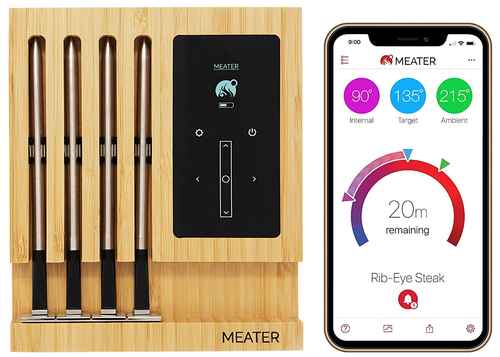
- Internal Temperature: Use a meat thermometer. For slow-cooked beef heart, aim for 160-170°F. This ensures it is fully cooked yet tender.
- Texture Test: Gently press a piece with a fork or spoon. Done beef heart should easily flake or pull apart without resistance. If it’s still firm and dense, it needs more time.
- Visual Check: The meat will change from a deep reddish-brown to a more uniform, cooked brown throughout. There should be no pink raw center, which indicates undercooking.
Remember, unlike cuts of beef intended to be rare or medium, organ meats like the heart benefit from complete cooking for both flavor and food safety.
Ingredients Needed
For a flavorful slow-cooked beef heart, you’ll want a combination of aromatics, seasoning, and moisture to complement its rich taste. Here’s a classic ingredient list for a simple, robust preparation:
- 1 beef heart (about 2-3 pounds), trimmed of fat and connective tissue
- 2 medium onions, sliced
- 3-4 cloves garlic, minced
- 2 carrots, chopped
- 2 celery stalks, chopped
- 1-2 cups beef broth or stock
- 1 cup red wine or apple cider (optional, for depth of flavor)
- 2 tablespoons olive oil or butter
- 1 teaspoon dried thyme
- 1 teaspoon dried rosemary
- 1 bay leaf
- Salt and black pepper to taste
- Optional: mushrooms, potatoes, or other root vegetables for a one-pot meal
This combination creates a savory, earthy base that complements the natural umami of the heart without overpowering it.
How To Cook Beef Heart In Slow Cooker
Cooking beef heart in a slow cooker involves a few straightforward steps:
- Trim and Prepare: Remove any excess fat, connective tissue, or blood vessels from the heart. Cut the heart into large chunks or leave it whole, depending on your preference.
- Sear for Flavor (Optional but Recommended): Heat olive oil in a skillet and brown the heart pieces on all sides. This step enhances the depth of flavor through the Maillard reaction.
- Layer Ingredients: Place the onions, garlic, carrots, and celery in the slow cooker. Add the heart on top. Pour in beef broth and wine, then sprinkle herbs, salt, and pepper.
- Cook Low and Slow: Cover and cook on low for 6-8 hours or on high for 3-4 hours, until the meat is tender.
- Finish and Serve: Remove the heart pieces, let them rest for a few minutes, then slice or shred as desired. Strain and reduce the cooking liquid for a rich sauce or gravy if preferred.
When Things Go Wrong
Even with a slow cooker, a few pitfalls can occur:
- Too Tough: This usually means the heart didn’t cook long enough. Return it to the slow cooker for an additional hour or two.
- Too Dry: Overcooking, particularly on high heat, can dry out the meat. Ensuring adequate liquid and searing beforehand helps prevent this.
- Strong Odor: Rinsing the heart under cold water and soaking briefly in milk or lightly salted water can mellow the metallic aroma before cooking.
- Uneven Cooking: Cutting the heart into uniform pieces ensures even cooking. Large, uneven chunks may lead to some parts being undercooked while others are overcooked.
Expert Tips
- Marinate for Flavor: Marinating the heart in olive oil, vinegar, and herbs for a few hours before cooking can enhance tenderness and depth.
- Low and Slow is King: Resist the urge to crank up the heat; slow, even cooking produces the best texture.
- Rest Before Slicing: Let the heart rest 10-15 minutes after cooking to allow juices to redistribute, preventing dryness.
- Use Cooking Liquid: The flavorful liquid can be reduced into a sauce, adding richness to the finished dish.
- Experiment with Herbs and Spices: Bay leaves, paprika, cumin, or smoked chili powder can give the dish a unique twist.
Can I Do This Without A Slow Cooker?
Yes. While slow cookers make the process convenient, alternative methods exist:
- Oven Braising: Preheat oven to 300°F (150°C). Place heart and liquid in a covered Dutch oven and cook for 3-4 hours until tender.
- Stovetop Simmering: Simmer in a heavy-bottomed pot over low heat for 3-4 hours. Cover to retain moisture and check periodically.
The key principle is the same: slow, moist heat over several hours to break down connective tissue without drying out the meat.
Reheating Leftovers In Slow Cooker
Beef heart leftovers reheat beautifully in a slow cooker:
- Place leftovers in the slow cooker with a splash of broth or water to prevent drying.
- Heat on low for 1-2 hours or on high for 30-60 minutes, stirring occasionally.
- Avoid overheating, which can toughen the meat.
This method maintains tenderness and allows flavors to meld even further.
FAQs
What Is The Best Way To Prepare Beef Heart Before Slow Cooking?
Before cooking, trim the beef heart of excess fat, connective tissue, and any valves. Rinse it under cold water and pat dry. You can also cut it into 1-2 inch cubes to ensure even cooking and easier shredding or slicing after slow cooking.
Do I Need To Marinate Beef Heart Before Slow Cooking?
Marinating is optional but recommended for flavor and tenderness. Use acidic ingredients like vinegar, citrus juice, or wine, combined with herbs and spices. Marinate for at least 2 hours or overnight in the refrigerator.
How Long Should Beef Heart Cook In A Slow Cooker?
Cooking time depends on the temperature setting. On low, cook for 6-8 hours until tender. On high, cook for 3-4 hours. The meat should be fork-tender and easy to slice or shred.
Should I Sear Beef Heart Before Slow Cooking?
Searing is optional but recommended to enhance flavor through browning. Heat oil in a skillet and sear the beef heart pieces for 2-3 minutes per side before transferring to the slow cooker.
What Liquids Can I Use When Cooking Beef Heart In A Slow Cooker?
You can use beef broth, stock, wine, tomato sauce, or a combination. Ensure the liquid partially covers the beef heart to keep it moist and infuse flavor during slow cooking.
Can I Cook Beef Heart With Vegetables In A Slow Cooker?
Yes, vegetables like onions, carrots, celery, and potatoes can be added. Root vegetables should be cut into larger chunks as they cook more slowly. Add delicate vegetables near the end of cooking to avoid overcooking.
How Do I Know When Beef Heart Is Fully Cooked?
Beef heart is fully cooked when it reaches an internal temperature of 160°F (71°C) and is fork-tender. The texture should be firm but not tough, and it should pull apart easily if cut into chunks.
Can I Overcook Beef Heart In A Slow Cooker?
Yes, overcooking can make beef heart dry or mushy, depending on the cut size. Follow recommended cooking times, and check for tenderness 30-60 minutes before the end of the suggested duration.
How Should I Season Beef Heart For Slow Cooking?
Common seasonings include salt, black pepper, garlic, paprika, thyme, rosemary, and bay leaves. You can also add chili powder or cumin for a spicier flavor. Season before cooking or after searing for maximum depth.
Can Leftover Slow-cooked Beef Heart Be Stored?
Yes, allow it to cool, then store in an airtight container in the refrigerator for up to 3-4 days. It can also be frozen for up to 3 months. Reheat gently to prevent drying out.