
How To Cook Frozen Fish In Slow Cooker [GUIDE]
Cooking frozen fish in a slow cooker may seem unconventional to some, but it is a method that combines convenience with delicious results. Slow cookers are renowned for their ability to tenderize tough cuts of meat over hours, but they can also gently cook delicate proteins like fish. Using frozen fish allows for a quick start-no thawing required-making it perfect for busy weeknights or last-minute meals. The key is understanding the balance between heat, time, and moisture to ensure the fish emerges flavorful, tender, and not overcooked. Unlike pan-searing or baking, the slow cooker gently steams the fish, preserving its natural juices and subtle flavors, while allowing any accompanying vegetables or sauces to infuse the dish with rich aromas.
Contents
- 1 How Long To Cook Frozen Fish In Slow Cooker
- 2 How To Tell If It Is Done
- 3 Ingredients Needed
- 4 How To Cook Frozen Fish In Slow Cooker
- 5 When Things Go Wrong
- 6 Expert Tips
- 7 Can I Do This Without A Slow Cooker?
- 8 Reheating Leftovers In Slow Cooker
- 9 FAQs
- 9.1 Can I Cook Fish Directly From Frozen In A Slow Cooker?
- 9.2 What Types Of Fish Are Best For Slow Cooking From Frozen?
- 9.3 How Long Does It Take To Cook Frozen Fish In A Slow Cooker?
- 9.4 Should I Thaw Frozen Fish Before Slow Cooking?
- 9.5 Can I Add Vegetables Or Sauces When Cooking Frozen Fish In A Slow Cooker?
- 9.6 Do I Need To Add Liquid When Cooking Frozen Fish In A Slow Cooker?
- 9.7 How Do I Prevent Frozen Fish From Overcooking In A Slow Cooker?
- 9.8 Is It Safe To Cook Frozen Fish In A Slow Cooker?
- 9.9 Can I Cook Multiple Frozen Fish Fillets Together In A Slow Cooker?
- 9.10 How Should I Season Frozen Fish For Slow Cooking?
How Long To Cook Frozen Fish In Slow Cooker
Cooking times for frozen fish in a slow cooker are slightly longer than for fresh fish, as the appliance first needs to bring the frozen center to a safe cooking temperature. Generally:
- Low setting: 2 to 3 hours
- High setting: 1 to 1.5 hours
The exact timing depends on the thickness and type of fish. Fillets such as cod, tilapia, or haddock will cook faster, whereas thicker cuts like salmon steaks may require slightly more time. It’s important to note that slow cookers vary in heat intensity, so these times serve as a guideline. Unlike other proteins, fish should never be cooked excessively in a slow cooker; the goal is a tender, flaky texture rather than a dry, rubbery one.
How To Tell If It Is Done
Determining doneness in slow-cooked fish requires more than just timing. Key indicators include:
- Flakiness: Use a fork to gently pull at the thickest part of the fish. Properly cooked fish should flake easily without falling apart completely.
- Opaque appearance: Raw fish is translucent. Fully cooked fish turns opaque and slightly firm to the touch.
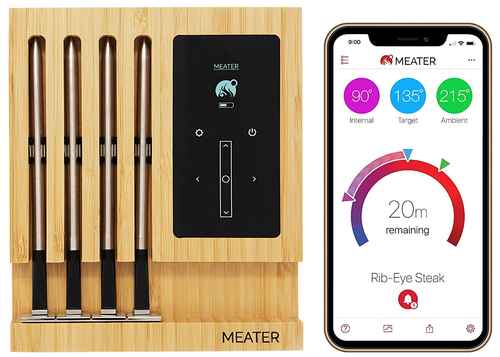
- Internal temperature: If you want precision, use a food thermometer. Fish is safely cooked when it reaches 145°F (63°C) at the thickest point.
Avoid guessing by time alone; the gentle heat of the slow cooker can vary, and overcooking can occur quickly once the fish is nearly done.
Ingredients Needed
A simple slow cooker fish dish requires minimal ingredients:
- Frozen fish fillets or steaks (cod, tilapia, salmon, or haddock)
- Liquid: broth, water, white wine, or a combination (about ½ to 1 cup per 1 lb of fish)
- Aromatics: garlic, onions, leeks, or shallots
- Vegetables (optional): carrots, bell peppers, zucchini, or potatoes
- Seasonings: salt, pepper, herbs (dill, parsley, thyme), lemon slices, or spices according to taste
- Fat (optional): a drizzle of olive oil or a small pat of butter for richness
These ingredients allow the fish to cook evenly while imparting layers of flavor, all while the slow cooker does most of the work.
How To Cook Frozen Fish In Slow Cooker
- Prepare the base: Place aromatics and vegetables at the bottom of the slow cooker. This creates a gentle bed that prevents fish from sticking and burning.
- Add liquid: Pour the broth, water, or wine over the vegetables. This will generate steam, cooking the fish evenly.
- Place the fish: Lay frozen fillets on top of the vegetables. Do not stack them too tightly, as airflow around each piece ensures even cooking.
- Season and flavor: Sprinkle herbs, salt, and pepper over the fish. Add lemon slices or a small pat of butter on top for extra richness.
- Cook: Cover and set the slow cooker to low or high depending on your timing. Avoid opening the lid frequently, as this releases heat and extends cooking time.
- Check doneness: After the minimum recommended time, check for flakiness and opacity. Adjust cooking time if needed, but remember that fish continues cooking slightly after removal from heat.
When Things Go Wrong
Even in a slow cooker, things can go wrong with fish:
- Overcooked fish: Often results in dry, rubbery texture. Remedy by reducing cooking time or using slightly more liquid next time.
- Undercooked fish: May happen if fillets are too thick or the cooker is set too low. Extend cooking time in 15-minute increments.
- Fish sticking to the slow cooker: Prevent by layering vegetables underneath or lightly greasing the pot.
- Watery sauce: Fish releases water as it cooks, which can dilute flavors. To fix, remove the fish and reduce the sauce on the stovetop for 5-10 minutes.
Understanding these potential pitfalls ensures you can troubleshoot in real-time rather than ending up with an unsatisfactory dish.
Expert Tips
- Use thick-cut fillets: Thicker pieces are less likely to dry out during slow cooking.
- Layer wisely: Place vegetables and aromatics underneath the fish to avoid overcooking from direct heat.
- Minimal stirring: Fish is delicate; excessive stirring will break it apart.
- Flavor infusion: Add acidic components like lemon juice or tomatoes near the end of cooking to brighten flavors without toughening the fish.
- Cook for immediate serving: Fish is best eaten right after slow cooking, as extended heat exposure can degrade texture.
Can I Do This Without A Slow Cooker?
Yes. If you don’t have a slow cooker, alternative methods include:
- Oven steaming: Place frozen fish in a covered baking dish with a little liquid at 325°F (163°C) for 20-30 minutes.
- Stovetop steaming: Use a covered skillet with ¼-½ inch of water or broth, simmering until fish flakes easily.
- Instant Pot / Pressure cooker: Frozen fish cooks rapidly under pressure, often in 5-8 minutes depending on thickness.
Each method mimics the slow cooker’s gentle cooking but requires more attention to prevent overcooking.
Reheating Leftovers In Slow Cooker
Slow cookers are convenient for reheating fish gently without drying it out:
- Place leftover fish in the slow cooker with a splash of broth or sauce.
- Set to low heat and cover.
- Heat for 20-30 minutes, checking occasionally to prevent overcooking.
Avoid reheating on high, as this will quickly turn tender fish into a tough, rubbery texture.
FAQs
Can I Cook Fish Directly From Frozen In A Slow Cooker?
Yes, you can cook fish directly from frozen in a slow cooker. However, it is important to adjust cooking times and avoid overcooking, as fish cooks quickly. Thicker fillets may require slightly longer times to ensure they reach a safe internal temperature of 145°F (63°C).
What Types Of Fish Are Best For Slow Cooking From Frozen?
Firm, white-fleshed fish like cod, halibut, or tilapia are ideal for slow cooking from frozen. Salmon can also be used, but delicate fish such as sole or flounder may become mushy if cooked too long.
How Long Does It Take To Cook Frozen Fish In A Slow Cooker?
Cooking time varies depending on the thickness of the fillet and the heat setting. On low, most frozen fillets take 2 to 3 hours, while on high, they usually take 1 to 1.5 hours. It’s important to check the fish for doneness by ensuring it flakes easily with a fork.
Should I Thaw Frozen Fish Before Slow Cooking?
Thawing is optional but recommended for more even cooking and better texture. If cooking from frozen, layer the fish evenly and avoid overcrowding to prevent uneven cooking.
Can I Add Vegetables Or Sauces When Cooking Frozen Fish In A Slow Cooker?
Yes, adding vegetables and sauces is common. Place harder vegetables like carrots or potatoes on the bottom and add the fish on top. Light sauces, such as lemon-butter or tomato-based sauces, help retain moisture and enhance flavor.
Do I Need To Add Liquid When Cooking Frozen Fish In A Slow Cooker?
Yes, adding a small amount of liquid is recommended to prevent the fish from drying out. Broth, wine, or a light sauce can help maintain moisture and improve the final texture.
How Do I Prevent Frozen Fish From Overcooking In A Slow Cooker?
To avoid overcooking, cook on low heat and check the fish frequently towards the end of the cooking time. Using a timer and removing the fish as soon as it flakes easily helps maintain a tender texture.
Is It Safe To Cook Frozen Fish In A Slow Cooker?
Yes, it is safe as long as the fish reaches an internal temperature of 145°F (63°C). Using a food thermometer is the most reliable way to ensure safety. Avoid leaving the slow cooker unattended for excessively long periods at high heat.
Can I Cook Multiple Frozen Fish Fillets Together In A Slow Cooker?
Yes, you can cook multiple fillets together. Make sure they are arranged in a single layer or slightly overlapping. Overcrowding can cause uneven cooking, so it’s best to avoid stacking too many fillets directly on top of each other.
How Should I Season Frozen Fish For Slow Cooking?
Season frozen fish lightly before or after cooking. Common options include salt, pepper, lemon juice, garlic, herbs, or spice blends. Avoid heavy marinades, as the slow cooking process can dilute their flavors if applied too early.