
How To Make Pork Ribs In Slow Cooker [GUIDE]
Pork ribs are a culinary delight, celebrated for their tender, juicy meat and rich, savory flavor. However, achieving ribs that are both flavorful and melt-in-your-mouth tender can be intimidating for many home cooks. Traditional methods like grilling or oven roasting require careful temperature control and precise timing, often leaving little room for error. Enter the slow cooker-a kitchen appliance that transforms even the toughest cut of pork into succulent perfection with minimal effort. Using a slow cooker allows flavors to develop deeply, the meat to tenderize naturally, and hands-on cooking time to be dramatically reduced. In this guide, we’ll explore every aspect of preparing pork ribs in a slow cooker, from the precise cooking times to troubleshooting common issues, ensuring that every batch is a culinary success.
Contents
- 1 How Long To Make Pork Ribs In Slow Cooker
- 2 How To Tell If It Is Done
- 3 Ingredients Needed
- 4 How To Make Pork Ribs In Slow Cooker
- 5 When Things Go Wrong
- 6 Expert Tips
- 7 Can I Do This Without A Slow Cooker?
- 8 Reheating Leftovers In Slow Cooker
- 9 FAQs
- 9.1 What Type Of Pork Ribs Are Best For Slow Cooking?
- 9.2 Do I Need To Remove The Membrane From The Ribs Before Cooking Them In A Slow Cooker?
- 9.3 Should I Sear The Pork Ribs Before Putting Them In The Slow Cooker?
- 9.4 How Long Does It Take To Cook Pork Ribs In A Slow Cooker?
- 9.5 Should I Add Liquid To The Slow Cooker When Cooking Pork Ribs?
- 9.6 Can I Cook Frozen Pork Ribs In The Slow Cooker?
- 9.7 How Do I Know When Pork Ribs Are Done In The Slow Cooker?
- 9.8 Can I Use A Dry Rub On Pork Ribs Before Slow Cooking?
- 9.9 Should I Add Barbecue Sauce To The Ribs While They Cook Or After?
- 9.10 How Can I Finish Pork Ribs Cooked In A Slow Cooker If I Want Crispy Edges?
How Long To Make Pork Ribs In Slow Cooker
Cooking time is critical when preparing ribs in a slow cooker. Unlike ovens or grills where high heat can cook food faster but risks drying it out, slow cookers rely on low, consistent heat over a prolonged period. Typically, pork ribs require:
- Low setting: 6-8 hours
- High setting: 3-4 hours
Factors such as the size and thickness of the ribs, whether they are baby back or spare ribs, and whether they are bone-in or boneless will slightly adjust the cooking time. For example, spare ribs are thicker and require more cooking time than tender baby back ribs. Cooking on low is preferable for achieving ribs that fall off the bone, while high heat can work in a pinch but may sacrifice some tenderness. Patience is key-the slow cooking process allows connective tissue and collagen to break down, resulting in that coveted melt-in-your-mouth texture.
How To Tell If It Is Done
Unlike precise baking or roasting, slow cooking relies on sensory cues to determine doneness. For pork ribs, there are several reliable indicators:
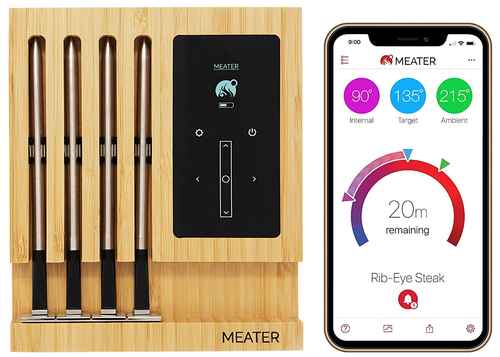
- Internal Temperature: Use a meat thermometer to check that the internal temperature has reached at least 145°F (63°C). For tender ribs, an internal temperature around 190-203°F (88-95°C) is ideal, as this allows collagen to fully break down.
- Meat Texture: Properly cooked ribs should be tender but still hold their shape when lifted. The meat should easily pull away from the bone with a gentle tug but not completely fall apart unless that’s your desired texture.
- Visual Clues: Ribs will darken in color and the juices will run clear. A rich, caramelized surface often develops if ribs are finished under the broiler or on the grill after slow cooking.
Ingredients Needed
A simple set of ingredients can produce deeply flavorful ribs. Here’s a classic approach:
- 2-3 pounds of pork ribs (baby back or spare ribs)
- 1 cup barbecue sauce (store-bought or homemade)
- 1/2 cup apple cider vinegar or juice (optional for tang)
- 1/4 cup brown sugar (for sweetness)
- 2-3 cloves garlic, minced
- 1 teaspoon smoked paprika
- 1 teaspoon onion powder
- 1/2 teaspoon black pepper
- 1/2 teaspoon salt
- 1/2 teaspoon chili powder or cayenne (optional for heat)
Optional extras: soy sauce, honey, mustard, Worcestershire sauce, or fresh herbs to customize flavor.
How To Make Pork Ribs In Slow Cooker
Step 1: Prepare The Ribs
Remove the thin membrane from the back of the ribs for tenderness. Trim excess fat if needed. Season with salt, pepper, and spices to create a flavorful crust.
Step 2: Layer In The Slow Cooker
Place ribs in the slow cooker, standing them on edge if necessary to fit more efficiently. Pour barbecue sauce and other liquids over the ribs, ensuring even coverage.
Step 3: Slow Cook
Cover and cook on low for 6-8 hours, or on high for 3-4 hours. Avoid opening the lid frequently, as it releases heat and extends cooking time.
Step 4: Optional Finish
For a caramelized glaze, transfer cooked ribs to a baking sheet, brush with additional sauce, and broil for 5-7 minutes until bubbling and slightly charred.
Step 5: Rest And Serve
Allow ribs to rest for 5-10 minutes before slicing. This keeps the juices intact and enhances flavor.
When Things Go Wrong
Even with a slow cooker, mishaps can happen:
- Ribs are tough: Likely undercooked. Extend cooking time by 30-60 minutes and check again.
- Ribs are dry: This can occur if the slow cooker is on high too long or if the ribs were very lean. Adding a small amount of liquid (apple juice, broth) mid-cook can help.
- Sauce is watery: Remove the ribs and reduce the sauce on the stove or under the broiler to thicken.
Understanding how the slow cooker reacts to different types of meat is crucial for troubleshooting and refining your method.
Expert Tips
- Use foil: Wrapping ribs loosely in foil before placing in the slow cooker can lock in moisture.
- Layer flavor: Sear ribs briefly before slow cooking to develop a richer taste.
- Control sweetness: Adjust sugar levels depending on the sauce-slow cooking concentrates sweetness.
- Timing matters: Cook ribs on low whenever possible for best texture.
- Finish with a grill or broiler: Creates a textural contrast with the tender slow-cooked meat.
Can I Do This Without A Slow Cooker?
Absolutely. Alternative methods include:
- Oven: Wrap ribs in foil and bake at 275°F (135°C) for 2.5-3 hours. Finish under the broiler.
- Pressure cooker/Instant Pot: Cook for 25-35 minutes under high pressure, followed by a quick broil with sauce.
- Grill: Indirect heat over 250-300°F (120-150°C) for 2-3 hours, then finish over direct heat.
Each method simulates the slow-cooked tenderness but may require more attention to prevent drying.
Reheating Leftovers In Slow Cooker
Slow cookers are ideal for reheating leftover ribs:
- Place ribs in the slow cooker and add a splash of liquid (water, broth, or sauce) to prevent drying.
- Cover and heat on low for 1-2 hours, or on high for 30-45 minutes.
- Avoid overheating, as it can toughen the meat.
This method preserves flavor while ensuring the ribs remain moist and tender.
FAQs
What Type Of Pork Ribs Are Best For Slow Cooking?
Baby back ribs or spare ribs are the best cuts for slow cooking. Baby back ribs are more tender and cook faster, while spare ribs are larger and have a bit more fat, providing a richer flavor.
Do I Need To Remove The Membrane From The Ribs Before Cooking Them In A Slow Cooker?
Yes, it’s recommended to remove the silver skin (the membrane) from the ribs before cooking. This membrane can become tough and chewy during the slow-cooking process, so removing it results in a more tender and flavorful dish.
Should I Sear The Pork Ribs Before Putting Them In The Slow Cooker?
Searing the ribs before slow cooking can add a deeper, caramelized flavor, but it’s not strictly necessary. If you’re short on time, you can skip this step and still end up with tender, juicy ribs.
How Long Does It Take To Cook Pork Ribs In A Slow Cooker?
Pork ribs generally take 6 to 8 hours on low heat or 3 to 4 hours on high heat in a slow cooker. The exact cooking time can vary depending on the thickness of the ribs and the slow cooker model.
Should I Add Liquid To The Slow Cooker When Cooking Pork Ribs?
It’s a good idea to add some liquid (such as broth, water, or even a bit of barbecue sauce) to the slow cooker to help create moisture during the cooking process. However, you don’t need to submerge the ribs in liquid; just a cup or so should suffice.
Can I Cook Frozen Pork Ribs In The Slow Cooker?
It’s best to thaw the ribs before cooking them in a slow cooker for more even cooking. If cooking from frozen, you’ll need to increase the cooking time by a couple of hours, and there may be a slight change in texture.
How Do I Know When Pork Ribs Are Done In The Slow Cooker?
Pork ribs are done when the meat is tender and easily pulls away from the bone. You can check by gently pulling on the ribs with tongs or a fork-if they come apart easily, they’re ready.
Can I Use A Dry Rub On Pork Ribs Before Slow Cooking?
Yes, a dry rub can be applied to the ribs before slow cooking to infuse them with flavor. Coat the ribs evenly with your rub and let them sit for about 30 minutes before cooking for the best results.
Should I Add Barbecue Sauce To The Ribs While They Cook Or After?
It’s best to wait until the last 30 minutes of cooking to add barbecue sauce. Adding it too early can cause the sauce to burn, while adding it later allows the flavors to meld without compromising the texture.
How Can I Finish Pork Ribs Cooked In A Slow Cooker If I Want Crispy Edges?
If you prefer crispy edges, you can place the ribs under a broiler for 5-10 minutes after they’ve finished cooking in the slow cooker. This step will caramelize the sauce and create a nice crisp on the outside.