
How To Cook Frozen Whole Chicken In Slow Cooker [GUIDE]
Cooking a whole chicken from frozen may sound intimidating, yet the slow cooker-an emblem of culinary convenience-transforms this daunting task into a practical, flavorful, and surprisingly simple process. Slow cookers, also known as crock-pots, excel at turning humble ingredients into tender, savory meals, and starting with a frozen chicken is no exception. By leveraging low, steady heat over an extended period, you can achieve a juicy, aromatic bird without the hassle of defrosting. Beyond convenience, slow cooking enhances flavors as herbs, spices, and aromatics meld deeply into the meat, producing a dish that feels both effortless and gourmet. Whether you’re pressed for time, forgot to thaw your chicken, or simply prefer hands-off cooking, this method offers a reliable solution.
Contents
- 1 How Long To Cook Frozen Whole Chicken In Slow Cooker
- 2 How To Tell If It Is Done
- 3 Ingredients Needed
- 4 How To Cook Frozen Whole Chicken In Slow Cooker
- 5 When Things Go Wrong
- 6 Expert Tips
- 7 Can I Do This Without A Slow Cooker?
- 8 Reheating Leftovers In Slow Cooker
- 9 FAQs
- 9.1 Is It Safe To Cook A Frozen Whole Chicken In A Slow Cooker?
- 9.2 How Long Does It Take To Cook A Thawed Whole Chicken In A Slow Cooker?
- 9.3 Can I Cook A Frozen Chicken In A Slow Cooker If I Use High Heat?
- 9.4 What Is The Best Way To Thaw A Whole Chicken Before Using A Slow Cooker?
- 9.5 Do I Need To Add Liquid When Cooking A Chicken In A Slow Cooker?
- 9.6 Should I Season A Frozen Whole Chicken Before Slow Cooking?
- 9.7 How Can I Check If The Chicken Is Fully Cooked In A Slow Cooker?
- 9.8 Can I Add Vegetables To Cook With A Whole Chicken In A Slow Cooker?
- 9.9 Will Cooking A Frozen Chicken In A Slow Cooker Result In Uneven Cooking?
- 9.10 Are There Alternatives If I Need To Cook A Chicken From Frozen Quickly?
How Long To Cook Frozen Whole Chicken In Slow Cooker
Cooking times for frozen chicken in a slow cooker are crucial to ensure safety and achieve optimal texture. A frozen whole chicken requires a longer cooking duration than a thawed one because the slow cooker must first bring the bird to a safe internal temperature before the meat begins to tenderize.
- Low setting: Approximately 6-8 hours. Cooking on low allows the chicken to heat gradually, ensuring even cooking and minimizing the risk of drying out the breast meat.
- High setting: Approximately 4-5 hours. This is faster but requires careful monitoring, as higher heat can sometimes cause the exterior to overcook while the interior reaches the safe temperature.
Always remember: these times can vary based on the size of the chicken, the specific slow cooker model, and whether additional ingredients such as vegetables are added. A 3-4 pound frozen chicken generally fits well within these ranges.
How To Tell If It Is Done
Determining doneness is critical for both safety and quality. The most reliable indicator is the internal temperature:
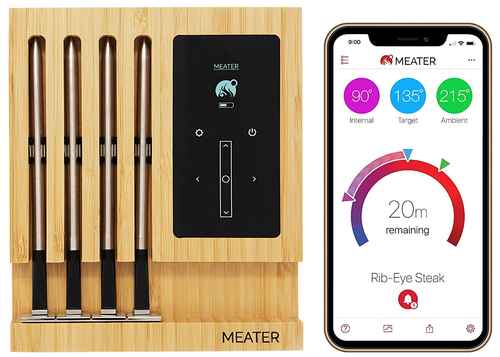
- Use a digital meat thermometer inserted into the thickest part of the breast and thigh without touching the bone.
- The USDA recommends that chicken reaches 165°F (74°C) to be considered safe.
- Other visual cues: the meat should be opaque, and juices should run clear when pierced with a knife or fork. If the meat is pink or the juices are tinged with red, it needs additional cooking time.
Avoid guessing by texture alone, as slow-cooked chicken can sometimes appear ’done’ on the outside while still undercooked inside.
Ingredients Needed
Cooking a frozen whole chicken in a slow cooker is versatile, but a few key ingredients elevate both flavor and aroma:
- 1 frozen whole chicken (3-5 lbs)
- 1-2 tablespoons olive oil or butter for richness
- 1-2 teaspoons salt and pepper for basic seasoning
- 2-3 cloves garlic, minced
- 1 medium onion, sliced
- 1-2 carrots, chopped
- 1-2 celery stalks, chopped
- Fresh herbs such as thyme, rosemary, or parsley
- Optional liquids: ½ cup chicken broth or water to prevent sticking and create a flavorful base
These ingredients create a savory, aromatic environment that infuses the chicken as it slowly cooks, ensuring each bite is juicy and flavorful.
How To Cook Frozen Whole Chicken In Slow Cooker
- Prepare the slow cooker: Lightly grease the insert with oil or butter to prevent sticking.
- Layer aromatics: Place onions, carrots, celery, and herbs at the bottom of the cooker. These not only flavor the chicken but help elevate it slightly so heat circulates evenly.
- Season the chicken: Brush or rub the frozen chicken with olive oil and sprinkle salt and pepper. It’s okay if seasonings don’t stick perfectly; they will still flavor the bird during cooking.
- Place the chicken in the slow cooker: Set it breast-side up over the vegetables.
- Add liquid: Pour chicken broth or water around-not over-the chicken to maintain moisture.
- Cook: Cover and set to low for 6-8 hours or high for 4-5 hours. Avoid lifting the lid frequently, as this extends cooking time.
- Check for doneness: Use a meat thermometer to ensure the internal temperature reaches 165°F (74°C).
Once cooked, let the chicken rest for 10-15 minutes before carving to allow juices to redistribute.
When Things Go Wrong
Even the most careful cooks encounter setbacks. Common issues include:
- Undercooked interior: Often happens if cooking time was too short or lid lifted too often. Solution: continue cooking on low and recheck every 30 minutes.
- Dry breast meat: Caused by overcooking. Remedy: shred breast meat and mix with some cooking liquid or use it in soups or casseroles.
- Rubbery skin: Frozen chicken rarely develops crispy skin in a slow cooker. Optional: transfer the bird to a preheated oven at 425°F for 10-15 minutes to crisp skin before serving.
Patience is key-slow cooking is forgiving but requires respecting time and temperature.
Expert Tips
- Use a thermometer: This is non-negotiable for safety.
- Add vegetables later if desired: Dense vegetables like potatoes can cook alongside the chicken, but delicate herbs or greens are best added in the final hour.
- Brine or marinade beforehand: If planning ahead, a salt or herb brine adds depth even if chicken is frozen.
- Consider size: Chickens over 5 lbs may need more time; under 3 lbs may cook faster, so adjust accordingly.
- Do not cook from frozen with lid open: Trapped steam is essential for even cooking.
Can I Do This Without A Slow Cooker?
Yes, but results vary:
- Oven roasting from frozen: Cook at 325°F (163°C), approximately 50% longer than thawed cooking. Cover loosely with foil, then remove foil at the end to brown.
- Instant Pot or pressure cooker: Can cook frozen chicken in 30-45 minutes, but liquid is essential for pressure buildup.
- Stovetop braising: Requires constant attention and a heavy pot with a lid, adding liquid and checking frequently.
Each method works, but slow cookers provide the most hands-off approach with minimal risk of uneven cooking.
Reheating Leftovers In Slow Cooker
Slow cookers are perfect for reheating without drying:
- Place shredded or chopped leftover chicken in the slow cooker.
- Add a small amount of broth or sauce to maintain moisture.
- Heat on low for 1-2 hours, stirring occasionally, until warmed through.
Avoid reheating a whole chicken frozen in a slow cooker-it’s safer to thaw in the fridge first.
FAQs
Is It Safe To Cook A Frozen Whole Chicken In A Slow Cooker?
Cooking a frozen whole chicken in a slow cooker is not recommended by food safety experts because the chicken may remain in the ’danger zone’ temperature range (40°F-140°F) for too long, allowing harmful bacteria to multiply. It’s safer to thaw the chicken first before using a slow cooker.
How Long Does It Take To Cook A Thawed Whole Chicken In A Slow Cooker?
A thawed whole chicken typically takes 4-5 hours on high or 6-8 hours on low in a slow cooker, depending on the size of the bird. Cooking times can vary, so using a meat thermometer to ensure the internal temperature reaches 165°F is crucial.
Can I Cook A Frozen Chicken In A Slow Cooker If I Use High Heat?
Using high heat can reduce the cooking time, but it does not guarantee safety. Slow cookers heat gradually, and a frozen chicken may remain at unsafe temperatures for too long. Thawing the chicken beforehand is strongly recommended.
What Is The Best Way To Thaw A Whole Chicken Before Using A Slow Cooker?
The safest methods for thawing a whole chicken include refrigerator thawing (24 hours per 4-5 pounds) or using cold water in a sealed bag, changing the water every 30 minutes. Microwave thawing is possible but may partially cook the chicken unevenly.
Do I Need To Add Liquid When Cooking A Chicken In A Slow Cooker?
Yes, adding liquid such as broth, water, or a marinade helps maintain moisture, ensures even cooking, and prevents the chicken from drying out. Typically, 1 to 2 cups of liquid is sufficient for a whole chicken.
Should I Season A Frozen Whole Chicken Before Slow Cooking?
Seasoning a frozen chicken can be difficult because spices may not stick well to frozen surfaces. It’s better to season the chicken after thawing for more even flavor, or rub seasonings under the skin after partially thawing.
How Can I Check If The Chicken Is Fully Cooked In A Slow Cooker?
The safest way is to use a meat thermometer inserted into the thickest part of the chicken (usually the breast or thigh) without touching the bone. The internal temperature should reach 165°F (74°C) to be considered safe for consumption.
Can I Add Vegetables To Cook With A Whole Chicken In A Slow Cooker?
Yes, vegetables like carrots, potatoes, and onions can be added, but place them at the bottom of the slow cooker to ensure even cooking. Denser vegetables may need longer to cook, so cutting them into smaller pieces helps.
Will Cooking A Frozen Chicken In A Slow Cooker Result In Uneven Cooking?
Yes, starting with a frozen chicken can lead to uneven cooking, as the outer layers may reach cooking temperature while the inside remains undercooked. Thawing the chicken beforehand reduces this risk and promotes even cooking.
Are There Alternatives If I Need To Cook A Chicken From Frozen Quickly?
Yes, safer alternatives include roasting in the oven at a higher temperature, using an Instant Pot or pressure cooker, or boiling. These methods bring the chicken to a safe temperature more quickly and reduce bacterial risk compared to slow cooking from frozen.