
How To Cook Pork Spare Ribs In Slow Cooker [GUIDE]
Pork spare ribs are a timeless culinary delight, celebrated for their rich flavor and tender, melt-in-your-mouth texture. Unlike baby back ribs, spare ribs are meatier, with a slightly higher fat content that infuses every bite with deep, savory taste. While traditional methods like grilling or oven roasting yield excellent results, slow cooking is an exceptional approach for those seeking effortless preparation and consistent tenderness. A slow cooker allows the ribs to simmer gently over several hours, breaking down connective tissues and rendering fat without the risk of drying out the meat. The result is ribs that are succulent, flavorful, and fall-off-the-bone tender-perfect for family dinners, weekend gatherings, or a special treat any day of the week.
Contents
- 1 How Long To Cook Pork Spare Ribs In Slow Cooker
- 2 How To Tell If It Is Done
- 3 Ingredients Needed
- 4 How To Cook Pork Spare Ribs In Slow Cooker
- 5 When Things Go Wrong
- 6 Expert Tips
- 7 Can I Do This Without A Slow Cooker?
- 8 Reheating Leftovers In Slow Cooker
- 9 FAQs
- 9.1 What Is The Best Type Of Pork Spare Ribs To Use In A Slow Cooker?
- 9.2 Do I Need To Remove The Membrane From Pork Spare Ribs Before Slow Cooking?
- 9.3 Should I Sear The Ribs Before Placing Them In The Slow Cooker?
- 9.4 What Liquid Should I Use In The Slow Cooker?
- 9.5 How Long Should Pork Spare Ribs Cook In A Slow Cooker?
- 9.6 Can I Cook Frozen Pork Spare Ribs In A Slow Cooker?
- 9.7 Should I Add Barbecue Sauce At The Beginning Or End Of Cooking?
- 9.8 How Do I Know When The Ribs Are Done?
- 9.9 Can I Freeze Slow-cooked Pork Spare Ribs?
- 9.10 How Can I Make My Slow-cooked Ribs More Flavorful?
How Long To Cook Pork Spare Ribs In Slow Cooker
Timing is essential when cooking pork spare ribs in a slow cooker. The ideal cooking window balances tenderness with texture. Typically, ribs should be cooked:
- Low setting: 6-8 hours
- High setting: 3-4 hours
Cooking low and slow is generally preferred, as it allows the connective tissue (collagen) to fully break down, producing ribs that are incredibly tender and juicy. Cooking on high can work in a pinch, but you risk slightly less tenderness if the ribs are not carefully monitored. The thickness of the ribs also affects cooking time-thicker racks may need an extra 30-60 minutes, while thinner or smaller racks may finish slightly faster.
How To Tell If It Is Done
Determining doneness is not solely about time. Here’s how to tell when your ribs are perfectly cooked:
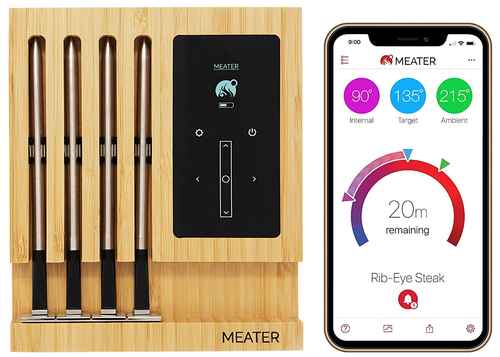
- Internal temperature: Use a meat thermometer to ensure the ribs have reached 145°F (63°C) for safety, though slow-cooked ribs typically hit 190-203°F (88-95°C) for optimal tenderness.
- Visual cues: The meat should pull away from the ends of the bones slightly, exposing the bone tips.
- Texture test: Gently pick up a rib with tongs and twist it. If the meat begins to separate from the bone easily, the ribs are done. If it resists, they need more time.
- Finger test: Pressing the meat with a fork or finger should feel tender and soft rather than tough or rubbery.
Ingredients Needed
For perfectly slow-cooked pork spare ribs, you’ll need the following:
- 2-3 lbs pork spare ribs (trimmed of excess fat and membrane removed)
- 1 cup barbecue sauce (store-bought or homemade)
- 1/2 cup chicken broth (or water for a milder flavor)
- 2 tablespoons brown sugar
- 1 teaspoon smoked paprika
- 1 teaspoon garlic powder
- 1 teaspoon onion powder
- 1/2 teaspoon black pepper
- 1/2 teaspoon salt
- Optional: chili powder or cayenne for heat, liquid smoke for extra smokiness
You can also layer ribs with sliced onions, garlic cloves, or apple cider vinegar to enhance flavor and tenderness.
How To Cook Pork Spare Ribs In Slow Cooker
- Prepare the ribs: Remove the silver skin membrane from the back of the ribs. Cut the rack into smaller portions to fit your slow cooker if necessary.
- Season: Mix the dry spices (paprika, garlic powder, onion powder, salt, pepper) with brown sugar. Rub the mixture thoroughly over both sides of the ribs.
- Add liquid: Pour the chicken broth into the slow cooker to create a moist cooking environment. This prevents the ribs from drying out.
- Layer ribs: Arrange the ribs in the slow cooker, stacking them if needed. Brush the ribs lightly with barbecue sauce.
- Cook: Cover and cook on low for 6-8 hours or high for 3-4 hours, depending on your schedule. Halfway through, you may baste the ribs with the cooking juices for added flavor.
- Finish (optional): For a caramelized glaze, remove ribs and brush generously with barbecue sauce, then broil in the oven for 3-5 minutes until bubbly and slightly charred.
When Things Go Wrong
Even with slow cooking, issues can arise:
- Ribs are tough: Likely undercooked; extend cooking time by 30-60 minutes. Ensure the slow cooker is on the correct setting.
- Ribs are dry: Too little liquid or overcooking on high can dry ribs. Next time, add more broth and cook on low.
- Flavor is bland: Increase seasoning or add extra barbecue sauce. Slow cookers tend to mute strong flavors, so don’t be shy with spices.
- Excess liquid: If the ribs sit in too much liquid, remove some before finishing under the broiler for a caramelized effect.
Expert Tips
- Remove the membrane: This thin layer on the back of the ribs prevents flavors from fully penetrating and can make the ribs chewy.
- Marinate ahead: Rubbing or marinating ribs overnight enhances depth of flavor.
- Use foil: For easier cleanup and to keep ribs moist, line your slow cooker with foil or use a slow cooker liner.
- Layer flavors: Add sliced onions, garlic, or a splash of apple cider vinegar to the cooking liquid for a subtle tang and aroma.
- Finishing touch: Broiling the ribs briefly after slow cooking adds visual appeal and a slightly smoky, caramelized crust.
Can I Do This Without A Slow Cooker?
Yes! Spare ribs can be cooked using other methods:
- Oven: Wrap ribs in foil with liquid, bake at 275°F (135°C) for 2.5-3.5 hours, then finish under the broiler or on a grill.
- Instant Pot: Pressure cook with 1 cup of broth for 25-30 minutes, then release pressure and glaze with barbecue sauce.
- Grill: Slow-cook over indirect heat for 2-3 hours, then sear over direct heat with sauce for a smoky finish.
The slow cooker, however, simplifies the process, requires minimal attention, and produces reliably tender ribs.
Reheating Leftovers In Slow Cooker
Slow cookers are excellent for gently reheating leftover ribs without drying them out:
- Place ribs in the slow cooker and add a splash of water, broth, or extra barbecue sauce.
- Cover and reheat on low for 2-3 hours or high for 1 hour.
- Optionally, finish under the broiler to restore caramelization.
This method preserves moisture, flavor, and tenderness. Avoid microwaving if possible, as it can dry out the meat.
FAQs
What Is The Best Type Of Pork Spare Ribs To Use In A Slow Cooker?
Baby back ribs and St. Louis-style ribs are both excellent choices. Baby back ribs are leaner and cook slightly faster, while St. Louis-style ribs have more fat and connective tissue, which makes them more flavorful when slow-cooked.
Do I Need To Remove The Membrane From Pork Spare Ribs Before Slow Cooking?
Yes, removing the silver skin membrane from the back of the ribs is recommended. It prevents the ribs from becoming tough and allows seasonings and sauces to penetrate more effectively.
Should I Sear The Ribs Before Placing Them In The Slow Cooker?
Searing ribs is optional but can enhance flavor. Browning them in a skillet before slow cooking develops a richer taste through the Maillard reaction, though the slow cooker will still produce tender ribs without searing.
What Liquid Should I Use In The Slow Cooker?
You can use a combination of broth, apple juice, water, or barbecue sauce. The liquid should partially cover the ribs to keep them moist, but avoid submerging them completely, as this can dilute the flavor.
How Long Should Pork Spare Ribs Cook In A Slow Cooker?
Cook ribs on low heat for 6-8 hours or on high for 3-4 hours. Low and slow cooking produces more tender ribs that fall off the bone, while high heat cooks them faster but may require more attention to avoid drying out.
Can I Cook Frozen Pork Spare Ribs In A Slow Cooker?
It is not recommended to cook ribs from frozen in a slow cooker. Slow cookers may keep the meat in the danger zone (40-140°F) for too long, increasing the risk of bacterial growth. Thaw ribs in the refrigerator first for safe cooking.
Should I Add Barbecue Sauce At The Beginning Or End Of Cooking?
For the best flavor, add some sauce at the beginning to infuse the meat, and brush additional sauce on the ribs during the last 30-60 minutes of cooking to create a thicker, caramelized glaze.
How Do I Know When The Ribs Are Done?
Ribs are done when the meat is tender and pulls away from the bone easily. Internal temperature should reach at least 145°F, but for fall-off-the-bone tenderness, cooking until around 190-203°F is common in slow-cooked ribs.
Can I Freeze Slow-cooked Pork Spare Ribs?
Yes, fully cooked ribs can be cooled, wrapped tightly, and frozen for up to 3 months. Reheat gently in the oven or microwave to preserve tenderness and avoid overcooking.
How Can I Make My Slow-cooked Ribs More Flavorful?
Use a dry rub or marinade before cooking, include aromatic ingredients like onions, garlic, or smoked paprika, and finish with a glaze of barbecue sauce or honey. Cooking low and slow allows flavors to fully penetrate the meat.