How To Cook Cross Rib Roast In Slow Cooker [GUIDE]
The cross rib roast, often called the ’shoulder clod roast’ or simply “chuck shoulder”, is a cut from the upper part of the cow’s shoulder. Known for its rich, beefy flavor and marbled texture, it’s a cut that rewards slow, careful cooking. While it can be tough if cooked quickly, the magic of a slow cooker transforms this humble roast into a tender, succulent centerpiece. Using a slow cooker allows the connective tissue to break down over time, producing meat that practically melts in your mouth while infusing the kitchen with a comforting aroma. Whether you’re preparing a weekend family dinner or a special holiday meal, a cross rib roast in a slow cooker is both convenient and satisfying.
Contents
- 1 How Long To Cook Cross Rib Roast In Slow Cooker
- 2 How To Tell If It Is Done
- 3 Ingredients Needed
- 4 How To Cook Cross Rib Roast In Slow Cooker
- 5 When Things Go Wrong
- 6 Expert Tips
- 7 Can I Do This Without A Slow Cooker?
- 8 Reheating Leftovers In Slow Cooker
- 9 FAQs
- 9.1 What Is A Cross Rib Roast And How Is It Different From Other Roasts?
- 9.2 How Do I Prepare A Cross Rib Roast For The Slow Cooker?
- 9.3 What Liquid Should I Use In A Slow Cooker For A Cross Rib Roast?
- 9.4 What Is The Recommended Cooking Time And Temperature For A Cross Rib Roast In A Slow Cooker?
- 9.5 Do I Need To Cover The Roast While Cooking In The Slow Cooker?
- 9.6 How Can I Tell When The Cross Rib Roast Is Fully Cooked?
- 9.7 Should I Add Vegetables To The Slow Cooker With The Roast?
- 9.8 Can I Use A Slow Cooker Liner For Cooking A Cross Rib Roast?
- 9.9 How Can I Make A Flavorful Sauce Or Gravy From The Slow Cooker Drippings?
- 9.10 How Should Leftovers Of A Slow-cooked Cross Rib Roast Be Stored?
How Long To Cook Cross Rib Roast In Slow Cooker
Cooking times for a cross rib roast vary depending on the size of the roast, whether you are cooking on low or high heat, and whether the roast is bone-in or boneless.
- Low heat: 8-10 hours for a 3-5 pound roast
- High heat: 4-6 hours for the same size
The slow cooking process allows the connective tissue in the shoulder to dissolve into gelatin, giving the meat a moist, tender texture. While it may be tempting to speed up the process on high heat, low and slow is generally the most reliable method for a melt-in-your-mouth result.
How To Tell If It Is Done
Unlike a steak, a cross rib roast isn’t judged by a pink center but rather by its tenderness. The roast is done when:
- It pulls apart easily with a fork.
- The internal temperature reaches 195-205°F (90-96°C) for shredding purposes.
- Juices run clear, and the meat easily separates from any bones if it’s bone-in.
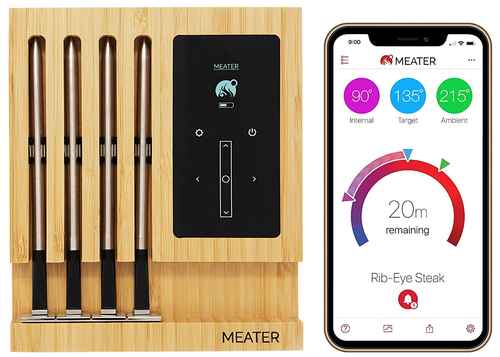
For a firmer, sliceable roast, aim for 190°F (88°C), but anything less will likely be chewy. Using a digital meat thermometer ensures accuracy and prevents overcooking.
Ingredients Needed
A simple yet flavorful set of ingredients can elevate a slow-cooked cross rib roast:
- Cross rib roast (3-5 lbs, bone-in or boneless)
- Salt and pepper (to taste)
- Olive oil (2-3 tbsp, for searing)
- Onions (1-2, sliced)
- Garlic (3-5 cloves, minced)
- Carrots (2-3, chopped)
- Celery (2 stalks, chopped)
- Beef broth (2-3 cups)
- Red wine or balsamic vinegar (optional, ½-1 cup, for depth of flavor)
- Fresh or dried herbs (rosemary, thyme, bay leaves)
Optional extras: mushrooms, potatoes, parsnips, or a splash of Worcestershire sauce to enrich the gravy.
How To Cook Cross Rib Roast In Slow Cooker
- Prep the roast: Pat it dry with paper towels to ensure proper searing. Season generously with salt and pepper.
- Sear the roast: In a hot skillet, add olive oil and sear the roast on all sides until golden brown. This locks in flavor and improves the final texture.
- Layer vegetables: Place onions, carrots, celery, and garlic at the bottom of the slow cooker. This acts as a flavorful bed and elevates the roast above the juices slightly.
- Add liquid and herbs: Pour beef broth and optional wine over the vegetables. Tuck in rosemary, thyme, and bay leaves.
- Cook: Place the seared roast on top. Cover and cook on low for 8-10 hours or high for 4-6 hours.
- Rest and serve: Let the roast rest for 10-15 minutes before slicing or shredding to allow juices to redistribute.
When Things Go Wrong
Even with a slow cooker, things can go awry:
- Dry or tough roast: Often the result of cooking on high for too long or using a leaner, smaller roast. Always aim for low and slow for best results.
- Flavorless meat: Lack of seasoning, insufficient aromatics, or skipping searing can result in bland meat. Always season well and use aromatics.
- Mushy vegetables: Some vegetables cook faster than the meat. Adding delicate vegetables like potatoes or mushrooms in the last 2 hours can prevent them from overcooking.
Expert Tips
- Sear first: Don’t skip this step; it makes a huge flavor difference.
- Use a thermometer: Ensure the internal temperature hits 195-205°F for tender shredding.
- Don’t lift the lid constantly: Each peek can reduce the cooking temperature, increasing cook time.
- Deglaze the pan: After searing, add a bit of broth or wine to the skillet and pour it over the roast for extra flavor.
- Make a gravy: Use the juices in the slow cooker, strain them, and thicken with a cornstarch slurry or roux for a rich, savory sauce.
Can I Do This Without A Slow Cooker?
Yes, but the method changes:
- Oven: Roast in a covered Dutch oven at 275°F for 3-5 hours, checking tenderness occasionally.
- Pressure cooker/Instant Pot: Can reduce cooking time to 60-90 minutes on high pressure, but some texture is sacrificed compared to slow cooking.
Both alternatives can produce excellent results but require closer attention than a slow cooker.
Reheating Leftovers In Slow Cooker
Leftover cross rib roast can remain tender and moist when reheated carefully:
- Place the sliced or shredded roast in the slow cooker.
- Add a splash of beef broth or gravy to maintain moisture.
- Heat on low for 1-2 hours until warmed through.
Avoid high heat, as it can dry out the meat.
FAQs
What Is A Cross Rib Roast And How Is It Different From Other Roasts?
A cross rib roast comes from the shoulder area of the cow, also known as the chuck shoulder. It has more connective tissue and marbling than a sirloin or ribeye roast, making it ideal for slow cooking as it becomes tender and flavorful over low heat.
How Do I Prepare A Cross Rib Roast For The Slow Cooker?
Trim excess fat, pat the roast dry, and season it generously with salt, pepper, and your preferred herbs and spices. For extra flavor, you can sear it in a hot skillet for a few minutes on each side before placing it in the slow cooker.
What Liquid Should I Use In A Slow Cooker For A Cross Rib Roast?
You can use beef broth, water, wine, or a combination. Adding aromatic vegetables like onions, carrots, and celery can enhance the flavor. Generally, 1 to 2 cups of liquid is sufficient to create steam and keep the meat moist.
What Is The Recommended Cooking Time And Temperature For A Cross Rib Roast In A Slow Cooker?
Cook the roast on low heat for 8 to 10 hours, or on high heat for 4 to 6 hours. Cooking on low is preferred as it allows the connective tissue to break down gradually, resulting in a tender roast.
Do I Need To Cover The Roast While Cooking In The Slow Cooker?
Yes, most slow cookers come with a tight-fitting lid, which is essential to retain moisture and heat. Avoid lifting the lid frequently, as this can increase cooking time.
How Can I Tell When The Cross Rib Roast Is Fully Cooked?
The roast is done when it reaches an internal temperature of about 195°F to 205°F for shreddable meat or 145°F to 160°F for sliceable meat. The meat should pull apart easily with a fork if cooked long enough for slow cooking purposes.
Should I Add Vegetables To The Slow Cooker With The Roast?
Yes, root vegetables such as potatoes, carrots, and parsnips can be added. Place firmer vegetables at the bottom of the slow cooker and more delicate ones on top to ensure even cooking.
Can I Use A Slow Cooker Liner For Cooking A Cross Rib Roast?
Yes, slow cooker liners can make cleanup easier and help prevent sticking, but they are not necessary. Ensure the liner is properly placed according to manufacturer instructions.
How Can I Make A Flavorful Sauce Or Gravy From The Slow Cooker Drippings?
After removing the roast, strain the liquid to remove solids. You can then thicken it with a cornstarch or flour slurry, reduce it over heat, and adjust seasoning to create a rich gravy.
How Should Leftovers Of A Slow-cooked Cross Rib Roast Be Stored?
Allow the roast to cool slightly, then store in an airtight container in the refrigerator for up to 3-4 days. For longer storage, freeze portions for up to 2-3 months. Reheat gently to prevent the meat from drying out.