
How To Cook Beef In Slow Cooker [GUIDE]
Cooking beef in a slow cooker is a culinary journey that transforms even the toughest cuts of meat into tender, succulent, and flavorful dishes. The slow cooker, often underestimated in the kitchen, is a marvel of convenience and taste, allowing you to ’set it and forget it’ while infusing your beef with rich aromas over hours of gentle heat. Unlike fast cooking methods, which can toughen meat, slow cooking breaks down connective tissues, collagen, and fat, resulting in a melt-in-your-mouth texture and a depth of flavor that cannot be rushed. Whether you are preparing a classic pot roast, hearty beef stew, or shredded beef for tacos, understanding the nuances of timing, seasoning, and cooking techniques ensures consistent results every time.
Contents
- 1 How Long To Cook Beef In Slow Cooker
- 2 How To Tell If It Is Done
- 3 Ingredients Needed
- 4 How To Cook Beef In Slow Cooker
- 5 When Things Go Wrong
- 6 Expert Tips
- 7 Can I Do This Without A Slow Cooker?
- 8 Reheating Leftovers In Slow Cooker
- 9 FAQs
- 9.1 What Cuts Of Beef Are Best For Slow Cooking?
- 9.2 How Long Should I Cook Beef In A Slow Cooker?
- 9.3 Do I Need To Sear Beef Before Slow Cooking?
- 9.4 How Much Liquid Should I Add To The Slow Cooker?
- 9.5 Can I Cook Frozen Beef In A Slow Cooker?
- 9.6 Should I Add Vegetables At The Beginning Or End?
- 9.7 How Do I Make The Beef More Tender In The Slow Cooker?
- 9.8 Can I Use A Slow Cooker To Make Beef Stew?
- 9.9 How Can I Prevent The Beef From Drying Out?
- 9.10 Can I Freeze Cooked Beef From The Slow Cooker?
How Long To Cook Beef In Slow Cooker
The cooking time for beef in a slow cooker largely depends on the cut, size, and desired outcome. Here’s a detailed breakdown:
- Tough cuts (chuck roast, brisket, short ribs): 6-8 hours on low or 4-5 hours on high. These cuts benefit from extended cooking to break down collagen into gelatin, producing a rich, silky texture.
- Lean cuts (sirloin tip, round roast): 4-6 hours on low or 2-3 hours on high. Lean cuts cook faster but require careful monitoring to avoid drying out.
- Stew beef or smaller chunks: 6-7 hours on low or 3-4 hours on high. Smaller pieces absorb flavors quickly but can overcook if left too long.
A slow cooker’s low and steady heat is its strength. Cooking on low is generally preferred, as it allows flavors to develop more fully and prevents the beef from drying or toughening.
How To Tell If It Is Done
Knowing when your slow-cooked beef is perfectly done is crucial. There are a few reliable indicators:
- Tenderness: The most definitive sign. Use a fork to pierce the meat. If it slides in and out effortlessly or the meat pulls apart easily, it’s done.
-
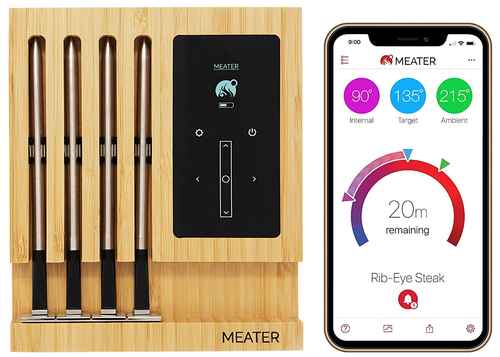
Internal Temperature: For safety and quality, check the beef with a meat thermometer:
- Medium-rare: 130-135°F (54-57°C)
- Medium: 135-145°F (57-63°C)
-
Well-done: 160°F (71°C) and above
For slow-cooked stews or shredded beef, aim for 190-205°F (88-96°C) to allow connective tissue to fully break down.
- Juices: When pierced, the juices should run clear, not bloody or pink, indicating thorough cooking.
- Texture: The meat should feel soft, not chewy or firm.
Ingredients Needed
While slow-cooked beef recipes vary widely, the basic ingredients often include:
- Beef cut of choice: Chuck roast, brisket, or stew meat are ideal.
- Liquid: Beef broth, stock, wine, or a combination to keep meat moist.
- Aromatics: Onion, garlic, shallots.
- Vegetables (optional but recommended): Carrots, potatoes, celery, mushrooms.
- Seasonings: Salt, pepper, herbs (thyme, rosemary, bay leaves), and spices (paprika, cumin, or chili powder).
- Thickening agents: Flour, cornstarch, or a roux for gravy.
The slow cooker is forgiving; you can experiment with flavors, layering herbs, and seasoning to create complexity.
How To Cook Beef In Slow Cooker
Here’s a step-by-step guide for classic slow-cooked beef:
- Prepare the beef: Trim excess fat, season generously with salt, pepper, and herbs.
- Sear the beef (optional but recommended): Browning the meat in a hot skillet develops deeper flavor through the Maillard reaction.
- Layer ingredients: Place aromatic vegetables at the bottom, then the beef, followed by remaining vegetables.
- Add liquid: Pour in broth, wine, or a combination until it partially covers the meat.
- Set the slow cooker: Low for 6-8 hours or high for 4-5 hours, depending on the cut and desired tenderness.
- Check occasionally: Avoid lifting the lid too often, as heat escapes, extending cooking time.
- Optional thickening: Remove meat and vegetables, then reduce the cooking liquid on the stovetop or add a slurry of cornstarch and water to thicken.
When Things Go Wrong
Even with slow cooking, issues can arise:
- Beef is tough: Likely cooked at too high a temperature or not long enough. Extend cooking time on low.
- Beef is dry: Usually lean cuts; ensure sufficient liquid and avoid overcooking.
- Lack of flavor: Layer ingredients properly, sear meat beforehand, and don’t skimp on herbs and aromatics.
- Over-thickened or thin gravy: Adjust liquid ratios; reduce slowly or add a cornstarch slurry as needed.
Slow cooking is forgiving, but understanding the science behind meat and liquid interaction prevents most mishaps.
Expert Tips
- Sear first: Adds depth and richness.
- Layer wisely: Vegetables under the meat cook more evenly.
- Low and slow: Always preferable to high heat for tenderness.
- Don’t overfill: Leave 1-2 inches at the top for proper circulation.
- Let it rest: Resting meat for 10-15 minutes after cooking improves juiciness.
- Season gradually: Add salt in stages to prevent over-seasoning.
Can I Do This Without A Slow Cooker?
Absolutely. Alternatives include:
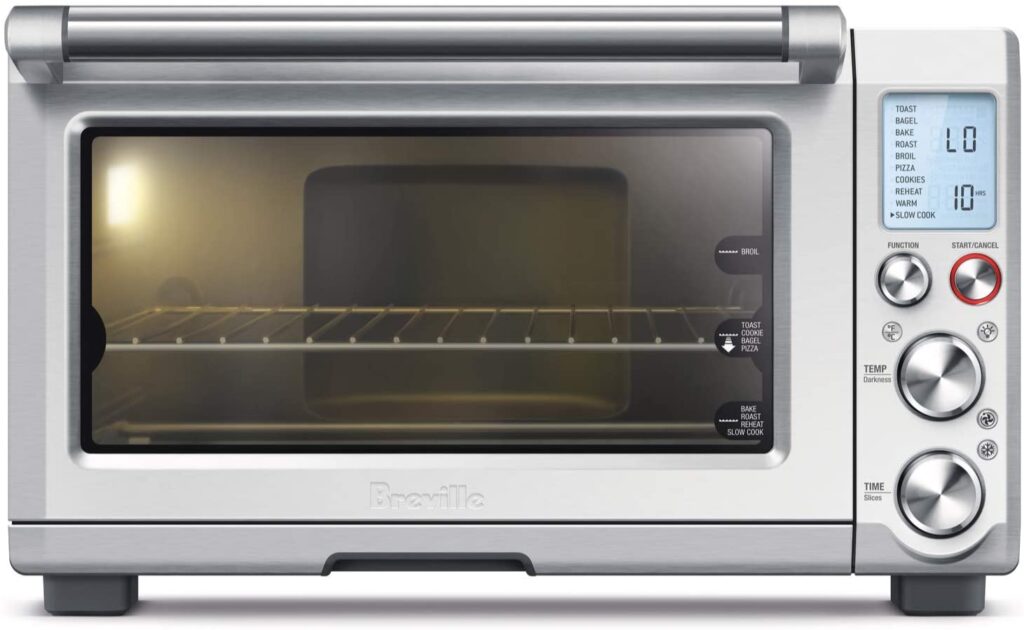
- Oven: Cook in a covered Dutch oven at 275-300°F (135-150°C) for 3-6 hours.
- Stovetop: Use a heavy pot or casserole over low heat, maintaining a gentle simmer for several hours.
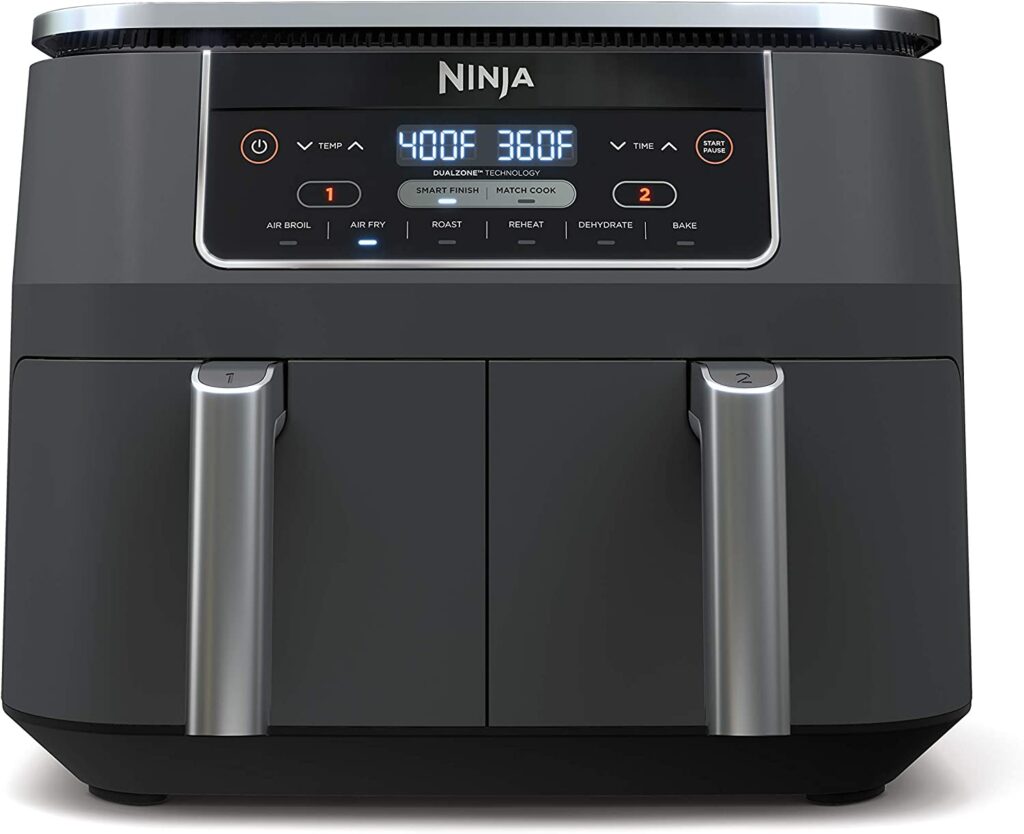
- Instant Pot / Pressure Cooker: Cooks faster (45-60 minutes) but yields slightly different texture-less ’melt-in-your-mouth’ than slow cooking.
Each method mimics the slow cooker’s low-and-steady heat but requires more attention.
Reheating Leftovers In Slow Cooker
Leftovers can be gently reheated in a slow cooker:
- Transfer cooked beef and vegetables to the slow cooker.
- Add a splash of broth to maintain moisture.
- Heat on low for 1-2 hours until warmed through.
- Avoid high heat, which can dry out already cooked beef.
This method ensures leftovers retain flavor and texture without overcooking.
FAQs
What Cuts Of Beef Are Best For Slow Cooking?
Tougher cuts of beef with more connective tissue work best in a slow cooker because the long, low-heat cooking breaks down the fibers and makes the meat tender. Examples include chuck roast, brisket, short ribs, and round roast.
How Long Should I Cook Beef In A Slow Cooker?
Cooking time depends on the size and cut of the beef. Generally, 6-8 hours on low heat or 3-5 hours on high heat is ideal for most roasts. Smaller cuts or stews may require 4-6 hours on low or 2-3 hours on high.
Do I Need To Sear Beef Before Slow Cooking?
Searing beef before slow cooking is optional but recommended. Browning the meat in a pan develops deeper flavor through the Maillard reaction. However, you can cook it directly in the slow cooker if you prefer convenience.
How Much Liquid Should I Add To The Slow Cooker?
Beef needs some liquid to prevent drying and create a flavorful sauce. Typically, 1/2 to 1 cup of broth, water, wine, or a combination is sufficient for most roasts. For stews, add enough to cover the ingredients halfway.
Can I Cook Frozen Beef In A Slow Cooker?
It is not recommended to cook frozen beef directly in a slow cooker, as it may stay in the temperature danger zone too long and promote bacterial growth. Thaw the meat in the refrigerator first for safe and even cooking.
Should I Add Vegetables At The Beginning Or End?
Root vegetables like potatoes, carrots, and onions can be added at the beginning, as they hold up well during long cooking. Softer vegetables, such as peas or bell peppers, should be added in the last 30-60 minutes to avoid overcooking.
How Do I Make The Beef More Tender In The Slow Cooker?
To make beef tender, cook it on low heat for a longer time, add a small amount of acidic liquid like tomato juice or vinegar to help break down fibers, and avoid lifting the lid frequently, which releases heat and slows the cooking process.
Can I Use A Slow Cooker To Make Beef Stew?
Yes. Slow cookers are excellent for beef stew. Brown the beef first, add vegetables and broth, season, and cook on low for 6-8 hours or until the meat is tender and the flavors are fully developed.
How Can I Prevent The Beef From Drying Out?
Avoid cooking at too high a temperature, add adequate liquid, use cuts with some marbling, and cook covered. Overcooking or lifting the lid repeatedly can cause moisture loss and dry meat.
Can I Freeze Cooked Beef From The Slow Cooker?
Yes. Once cooked, allow the beef and any accompanying sauce to cool completely. Store in airtight containers or freezer bags, and it can be frozen for up to 3 months. Reheat thoroughly before serving.