
How To Cook Canned Beans In Slow Cooker [GUIDE]
Canned beans are a marvel of convenience in modern kitchens. They come pre-cooked, ready to eat, and are packed with protein, fiber, and essential nutrients. While many people reach for canned beans to toss directly into salads or soups, cooking them in a slow cooker elevates their texture and flavor, allowing them to soak in spices, aromatics, and broths. The slow, gentle heat of a crockpot transforms these humble legumes from a convenient pantry item into a velvety, savory delight, perfect as a side dish, a hearty addition to stews, or a base for dips and spreads. Understanding the nuances of cooking canned beans in a slow cooker ensures you avoid overcooking, achieve the perfect flavor balance, and maximize convenience.
Contents
- 1 How Long To Cook Canned Beans In Slow Cooker
- 2 How To Tell If It Is Done
- 3 Ingredients Needed
- 4 How To Cook Canned Beans In Slow Cooker
- 5 When Things Go Wrong
- 6 Expert Tips
- 7 Can I Do This Without A Slow Cooker?
- 8 Reheating Leftovers In Slow Cooker
- 9 FAQs
- 9.1 Do Canned Beans Need To Be Soaked Before Using In A Slow Cooker?
- 9.2 Should I Drain And Rinse Canned Beans Before Slow Cooking?
- 9.3 How Long Should Canned Beans Be Cooked In A Slow Cooker?
- 9.4 Can I Cook Canned Beans With Other Raw Ingredients In The Slow Cooker?
- 9.5 Do Canned Beans Need Extra Water Or Liquid In The Slow Cooker?
- 9.6 Will Canned Beans Become Mushy In The Slow Cooker?
- 9.7 Can I Freeze Slow-cooked Canned Beans?
- 9.8 What Seasonings Work Best When Slow Cooking Canned Beans?
- 9.9 Can I Use Canned Beans For Soups And Stews In A Slow Cooker?
- 9.10 Are There Any Safety Concerns When Cooking Canned Beans In A Slow Cooker?
How Long To Cook Canned Beans In Slow Cooker
One of the most common misconceptions about canned beans is that they need long cooking times like dried beans. Since canned beans are already cooked, the slow cooker is used primarily to heat them thoroughly and allow them to absorb flavors.
- Low Heat Setting: Cooking on low generally takes 1.5 to 2 hours. This setting is gentle and prevents the beans from breaking apart while allowing them to soak up the flavors of added herbs, spices, or liquids.
- High Heat Setting: On high, canned beans will be ready in 30 to 60 minutes, but you must monitor them closely to avoid them becoming mushy.
The exact timing can vary depending on the quantity of beans, the type of slow cooker, and whether you’re cooking them with other ingredients like vegetables, meat, or acidic components (tomatoes or vinegar), which can slightly toughen the beans if cooked for too long.
How To Tell If It Is Done
Unlike dried beans, which need to be tested for tenderness, canned beans require a slightly different approach:
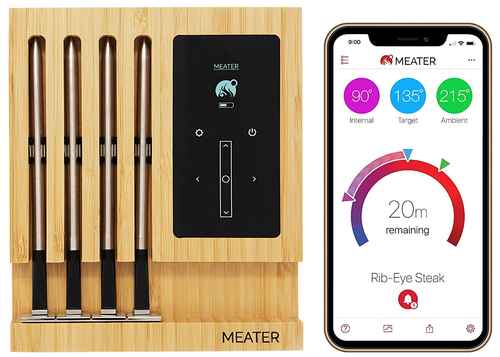
- Temperature Check: Beans should be piping hot throughout. Using a food thermometer, the internal temperature should reach at least 165°F (74°C) for safe consumption.
- Texture: A perfectly cooked canned bean should hold its shape but yield easily to gentle pressure between fingers or on a spoon. They should not feel hard or chalky but also should not be so soft that they disintegrate in the pot.
- Flavor Infusion: Taste a bean to check if it has absorbed the seasoning or broth. If the flavor hasn’t penetrated, let them cook a bit longer on low heat.
Ingredients Needed
Cooking canned beans in a slow cooker allows for endless variations, but the basic ingredients include:
- Canned beans: Any variety-black beans, kidney beans, chickpeas, or navy beans. Drain and rinse to reduce excess sodium and remove canning liquid.
- Liquid: Broth (vegetable, chicken, or beef) or water, usually ½ to 1 cup per 15-ounce can of beans, depending on desired consistency.
- Aromatics: Onion, garlic, shallots, leeks, or celery, finely chopped.
- Seasonings: Salt (added toward the end to avoid toughening), pepper, herbs (thyme, bay leaf, rosemary), and spices (cumin, smoked paprika, chili powder).
- Optional extras: Diced tomatoes, bell peppers, carrots, or a splash of vinegar or citrus for brightness.
How To Cook Canned Beans In Slow Cooker
- Prepare the Beans: Drain and rinse the canned beans to remove excess sodium and preserve their natural flavor.
- Add Liquid: Place beans in the slow cooker and cover with your chosen liquid, ensuring they are fully submerged.
- Incorporate Flavor: Add aromatics and seasonings. Remember that salt should be added toward the end to prevent the beans from toughening.
-
Set The Slow Cooker
- Low setting: 1.5-2 hours
- High setting: 30-60 minutes
- Check for Doneness: Taste and feel the beans as described above. Adjust seasonings or add a bit more liquid if necessary.
- Serve: Beans can be served as a side, added to soups, stews, tacos, salads, or mashed for spreads.
When Things Go Wrong
Even with the simplicity of canned beans, things can occasionally go awry:
- Mushy Beans: Likely cooked too long or on too high heat. Next time, reduce cooking time or use the low setting.
- Underseasoned Beans: Beans absorb flavors slowly; add salt, spices, or acidic components toward the end of cooking.
- Dry Beans: Always ensure there is enough liquid in the slow cooker; beans should be just covered.
- Tough Beans: Overly long cooking in the presence of acidic ingredients like tomatoes or vinegar can prevent beans from softening. Add acids toward the end of cooking.
Expert Tips
- Use Fresh Herbs Wisely: Herbs like thyme, rosemary, or bay leaves infuse flavor slowly. Remove larger herbs before serving.
- Layer Flavors: Sautéing onions, garlic, or spices before adding them to the slow cooker can deepen flavor.
- Avoid Overcrowding: Beans need space to cook evenly. If adding other ingredients, leave room in the slow cooker.
- Acidic Ingredients: Add citrus juice, tomatoes, or vinegar at the end to preserve bean texture.
- Liquid Ratio: Canned beans absorb some liquid but not as much as dry beans. Keep beans lightly submerged to prevent drying.
Can I Do This Without A Slow Cooker?
Yes. Canned beans can be cooked on the stovetop in a saucepan:
- Combine beans with liquid and seasonings.
- Bring to a gentle simmer over medium-low heat.
- Stir occasionally and cook for 10-15 minutes until heated through and flavored.
Oven baking in a covered dish at 325°F for 30-40 minutes is also possible but less convenient.
Reheating Leftovers In Slow Cooker
Reheating beans in a slow cooker is easy:
- Place the leftover beans in the slow cooker.
- Add a splash of water or broth to restore moisture.
- Set to low for 1-2 hours or high for 30-45 minutes, stirring occasionally.
- Taste and adjust seasonings before serving.
This method is gentler than microwave reheating and prevents beans from drying out or sticking.
FAQs
Do Canned Beans Need To Be Soaked Before Using In A Slow Cooker?
No, canned beans are already cooked and do not require soaking. They can be added directly to the slow cooker. However, draining and rinsing them is recommended to remove excess sodium and improve flavor.
Should I Drain And Rinse Canned Beans Before Slow Cooking?
Yes. Draining and rinsing canned beans reduces sodium content, removes canning liquids that may alter taste, and results in a cleaner flavor for your slow-cooked dish.
How Long Should Canned Beans Be Cooked In A Slow Cooker?
Canned beans only need to be heated thoroughly in the slow cooker. On low heat, 2-3 hours is sufficient, and on high heat, 1-2 hours works. Overcooking may make them mushy.
Can I Cook Canned Beans With Other Raw Ingredients In The Slow Cooker?
Yes, canned beans can be combined with vegetables, meats, and spices in the slow cooker. Just ensure that raw ingredients like meats are cooked long enough to reach safe temperatures.
Do Canned Beans Need Extra Water Or Liquid In The Slow Cooker?
Since canned beans are already cooked and contain some liquid, you only need enough additional liquid to prevent the dish from drying out. Typically, ¼ to ½ cup of broth or water per can is sufficient.
Will Canned Beans Become Mushy In The Slow Cooker?
Yes, prolonged cooking can make canned beans mushy because they are already fully cooked. To maintain texture, add beans in the last 1-2 hours of cooking or monitor closely if cooking with other ingredients.
Can I Freeze Slow-cooked Canned Beans?
Yes. Slow-cooked canned beans freeze well. Allow the dish to cool completely, then transfer to airtight containers or freezer bags. Label and store for up to 3 months.
What Seasonings Work Best When Slow Cooking Canned Beans?
Canned beans absorb flavors well. Common seasonings include garlic, onion, cumin, chili powder, smoked paprika, herbs, and salt. Add delicate herbs toward the end to preserve freshness.
Can I Use Canned Beans For Soups And Stews In A Slow Cooker?
Absolutely. Canned beans are ideal for soups, stews, chili, and curries. They provide protein and texture without the long cooking times required for dry beans.
Are There Any Safety Concerns When Cooking Canned Beans In A Slow Cooker?
Yes. Since canned beans are already cooked, the main safety concern is heating to a safe temperature for combined ingredients, especially meats. Always ensure that the slow cooker reaches the proper temperature and avoid leaving food in the danger zone (40-140°F) for too long.