
How To Reheat Sweet Potato In Oven [FULL GUIDE]
Sweet potatoes are a culinary delight, celebrated for their natural sweetness, creamy texture, and remarkable versatility. From roasted wedges to mashed perfection, they can transform any meal into a comforting and nutritious experience. However, enjoying leftover sweet potatoes can be tricky-reheating them improperly often leads to dryness, uneven warmth, or even a loss of their natural flavor. The oven is one of the most reliable methods to revive cooked sweet potatoes because it allows for gentle, even heating while maintaining moisture and texture. Understanding the ideal temperature, timing, and method can make the difference between a dry, chewy vegetable and a perfectly soft, flavorful bite that tastes almost freshly prepared.
Contents
- 1 Best Temperature To Reheat Sweet Potato In Oven
- 2 Best Cooking Time To Reheat Sweet Potato In Oven
- 3 How To Reheat Sweet Potato In Oven
- 4 When Not To Reheat Sweet Potato In The Oven
- 5 Reheating Sweet Potato More Than Once
- 6 What If I Use A Different Oven Temperature?
- 7 What If I Use A Different Oven Cook Time?
- 8 Best Ways To Reheat Sweet Potato
- 9 Tips For Optimal Reheating Results
- 10 FAQs
- 10.1 What Is The Best Way To Reheat A Sweet Potato In The Oven?
- 10.2 Do I Need To Peel The Sweet Potato Before Reheating?
- 10.3 Should I Cover The Sweet Potato When Reheating In The Oven?
- 10.4 How Long Does It Take To Reheat A Sweet Potato In The Oven?
- 10.5 Can I Reheat A Sweet Potato From Frozen In The Oven?
- 10.6 Is It Safe To Reheat Sweet Potatoes In The Oven Multiple Times?
- 10.7 Can I Add Any Toppings Or Seasonings Before Reheating?
- 10.8 Should I Slice The Sweet Potato Before Reheating?
- 10.9 What Is The Difference Between Reheating In The Oven Vs Microwave?
- 10.10 How Can I Tell When The Sweet Potato Is Fully Reheated?
Best Temperature To Reheat Sweet Potato In Oven
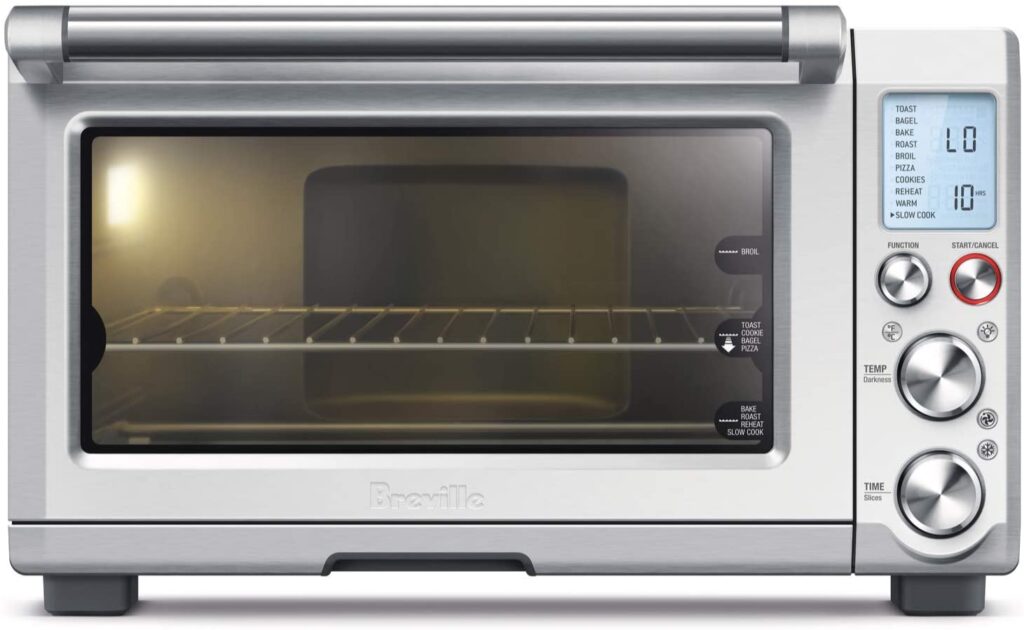
The temperature at which you reheat sweet potatoes is crucial to preserving their texture and flavor. A moderate oven temperature of 325°F to 350°F (163°C to 177°C) is generally ideal. This range allows the sweet potato to heat through evenly without overcooking the exterior, which can result in a tough or overly caramelized skin.
- Lower temperatures (around 300°F / 149°C) work well for gentle reheating, particularly if the sweet potatoes are already tender and you want to avoid further browning.
- Higher temperatures (375°F / 190°C) may speed up the process but risk drying out the flesh, especially for pre-baked or mashed sweet potatoes.
The key is to balance heat and time to retain moisture while achieving a soft, appetizing texture.
Best Cooking Time To Reheat Sweet Potato In Oven
The reheating time varies depending on the size and preparation of the sweet potato. Whole, large sweet potatoes may require 25 to 30 minutes, whereas smaller or cut pieces often reheat in 15 to 20 minutes. Mashed sweet potatoes typically need only 10 to 15 minutes.
Timing should be monitored carefully: overheating can lead to dried-out flesh, while underheating leaves cold spots that compromise taste and safety. A useful trick is to wrap whole sweet potatoes in aluminum foil, which helps trap steam and prevents the exterior from drying out, reducing the risk of overcooking.
How To Reheat Sweet Potato In Oven
Reheating sweet potatoes in the oven is simple but benefits from a careful approach:
- Preheat your oven to 325-350°F (163-177°C).
- Wrap whole sweet potatoes in foil to retain moisture, or place cut pieces on a baking sheet lined with parchment paper.
- Optional: Lightly brush with olive oil or melted butter for added flavor and moisture.
- Place in the oven for 15-30 minutes depending on size, turning or stirring cut pieces halfway through.
- Check doneness by inserting a fork; the flesh should be soft and warmed through.
For mashed sweet potatoes, transfer to an oven-safe dish, cover loosely with foil, and heat for 10-15 minutes, stirring occasionally to ensure even warming.
When Not To Reheat Sweet Potato In The Oven
While the oven is versatile, certain situations may make reheating less advisable:
- Already overcooked or dry sweet potatoes: Reheating may worsen texture and make them crumbly.
- Significant leftovers left at room temperature: If sweet potatoes have been unrefrigerated for more than two hours, reheating is unsafe.
- Excessive moisture content: Sweet potatoes that were boiled or steamed and then stored in water may become mushy when reheated in the oven.
In such cases, reheating in a microwave with a little moisture or repurposing into soups or casseroles might be preferable.
Reheating Sweet Potato More Than Once
Repeated reheating can negatively affect sweet potatoes’ texture and flavor. Each reheating cycle drives out moisture, leading to a dry or stringy consistency. To mitigate this:
- Only reheat the portion you plan to consume.
- Store leftovers in airtight containers in the refrigerator.
- Reheat gently at moderate temperatures to prevent excessive drying.
Ideally, sweet potatoes should not be reheated more than once, especially when using the oven, to maintain optimal taste and nutrition.
What If I Use A Different Oven Temperature?
Adjusting the oven temperature can impact results:
- Lower temperatures (<325°F / 163°C): Safer for preserving moisture, but take longer. May require 5-10 extra minutes.
- Higher temperatures (>350°F / 177°C): Heats faster but can caramelize sugars too aggressively, drying the flesh and toughening the skin.
It’s a trade-off between speed and quality-slightly lower temperatures generally yield better texture and flavor.
What If I Use A Different Oven Cook Time?
Cook time adjustments should correspond with temperature and sweet potato size:
- Shorter cook time: May leave the center cool or unevenly heated, especially for large, whole sweet potatoes.
- Longer cook time: Risk of drying out or overcooking the edges, especially for cut or mashed sweet potatoes.
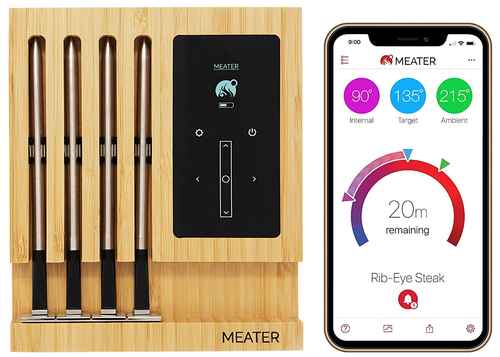
A meat thermometer can help here-reheated sweet potatoes should reach an internal temperature of around 165°F (74°C) to ensure they are safely and thoroughly heated.
Best Ways To Reheat Sweet Potato
- Whole baked sweet potatoes: Wrap in foil and heat at 325-350°F (163-177°C) for 25-30 minutes.
- Cubed or sliced sweet potatoes: Spread evenly on a baking sheet and bake at 350°F (177°C) for 15-20 minutes, tossing halfway.
- Mashed sweet potatoes: Cover loosely with foil in an oven-safe dish, heat at 325°F (163°C) for 10-15 minutes, stirring occasionally.
Using foil or a covered dish helps preserve moisture, while small adjustments to temperature and time ensure a soft, flavorful result.
Tips For Optimal Reheating Results
- Check moisture content: Brush with oil, butter, or a splash of water before reheating to prevent drying.
- Cut evenly: If using pieces, uniform sizing ensures consistent heating.
- Cover when possible: Retains steam and prevents tough exteriors.
- Preheat the oven: Ensures even heating from the start.
- Use a fork or skewer: Test softness before removing from the oven.
FAQs
What Is The Best Way To Reheat A Sweet Potato In The Oven?
The best method is to preheat your oven to 350°F (175°C), wrap the sweet potato in aluminum foil, and bake for 15-20 minutes until heated through. This method retains moisture and prevents the potato from drying out.
Do I Need To Peel The Sweet Potato Before Reheating?
No, you do not need to peel it. Reheating with the skin on helps retain moisture and flavor. You can peel it afterward if desired.
Should I Cover The Sweet Potato When Reheating In The Oven?
Yes, covering with aluminum foil is recommended. It traps steam and keeps the sweet potato soft, preventing the exterior from becoming too dry or hard.
How Long Does It Take To Reheat A Sweet Potato In The Oven?
Typically, it takes 15-20 minutes at 350°F (175°C). Larger sweet potatoes may require up to 25 minutes. Always check the center to ensure it is fully warmed.
Can I Reheat A Sweet Potato From Frozen In The Oven?
Yes, but it will take longer. Preheat the oven to 350°F (175°C) and bake for 30-40 minutes, keeping it wrapped in foil to retain moisture.
Is It Safe To Reheat Sweet Potatoes In The Oven Multiple Times?
It is safe as long as the sweet potatoes are stored properly in the refrigerator between reheatings. Avoid reheating more than once for optimal texture and flavor.
Can I Add Any Toppings Or Seasonings Before Reheating?
You can add a small amount of butter, olive oil, or seasonings before reheating, but avoid adding large amounts of liquid, which can make the sweet potato soggy.
Should I Slice The Sweet Potato Before Reheating?
Slicing is optional. Whole sweet potatoes retain more moisture, but slicing them can reduce reheating time and allow seasonings to penetrate better.
What Is The Difference Between Reheating In The Oven Vs Microwave?
Oven reheating provides even heating and preserves texture, keeping the skin slightly crisp and the interior fluffy. Microwave reheating is faster but can make the potato mushy or unevenly heated.
How Can I Tell When The Sweet Potato Is Fully Reheated?
Insert a fork or knife into the center; it should glide in easily and feel hot to the touch. You can also check by cutting a small piece and testing if the interior is warm throughout.