
How To Reheat Prime Rib Slices In Oven [FULL GUIDE]
Prime rib, often hailed as the crown jewel of beef cuts, is celebrated for its tender, juicy, and flavorful qualities. Whether served at a festive holiday dinner or a special occasion, leftovers are a common and much-anticipated treat. However, reheating prime rib slices requires care and precision to maintain their signature texture and rich taste. Improper reheating can lead to dry, tough, or overcooked meat, diminishing the luxurious experience that prime rib provides. This guide delves deep into the art of reheating prime rib slices in the oven, offering insights on temperature, timing, techniques, and pitfalls to avoid, ensuring your leftovers are as succulent as when they were first served.
Contents
- 1 Best Temperature To Reheat Prime Rib Slices In Oven
- 2 Best Cooking Time To Reheat Prime Rib Slices In Oven
- 3 How To Reheat Prime Rib Slices In Oven
- 4 When Not To Reheat Prime Rib Slices In The Oven
- 5 Reheating Prime Rib Slices More Than Once
- 6 What If I Use A Different Oven Temperature?
- 7 What If I Use A Different Oven Cook Time?
- 8 Best Ways To Reheat Prime Rib Slices
- 9 Tips For Optimal Reheating Results
- 10 FAQs
- 10.1 What Is The Best Way To Reheat Prime Rib Slices In The Oven?
- 10.2 Can I Reheat Prime Rib Slices In The Oven Without Drying Them Out?
- 10.3 How Long Does It Take To Reheat Prime Rib Slices In The Oven?
- 10.4 Should I Add Any Liquid When Reheating Prime Rib Slices In The Oven?
- 10.5 Can I Reheat Multiple Slices Of Prime Rib At Once In The Oven?
- 10.6 What Temperature Should The Oven Be Set To When Reheating Prime Rib Slices?
- 10.7 Is It Better To Reheat Prime Rib Slices In The Oven Or Microwave?
- 10.8 How Can I Check If My Prime Rib Slices Are Reheated Properly?
- 10.9 Can I Reheat Prime Rib Slices In The Oven With A Crust?
- 10.10 How Do I Avoid Overcooking Prime Rib Slices When Reheating?
Best Temperature To Reheat Prime Rib Slices In Oven
Reheating prime rib slices demands a delicate balance. Too high a temperature risks overcooking the edges while leaving the center warm but not fully heated. Too low, and you may end up with meat that is lukewarm and soggy.
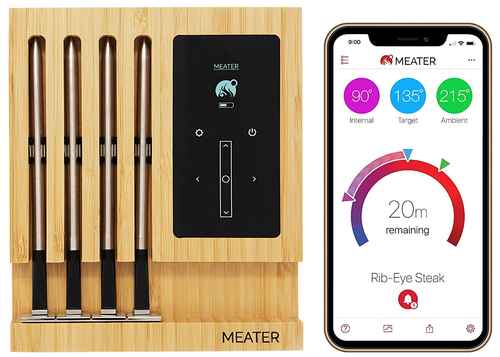
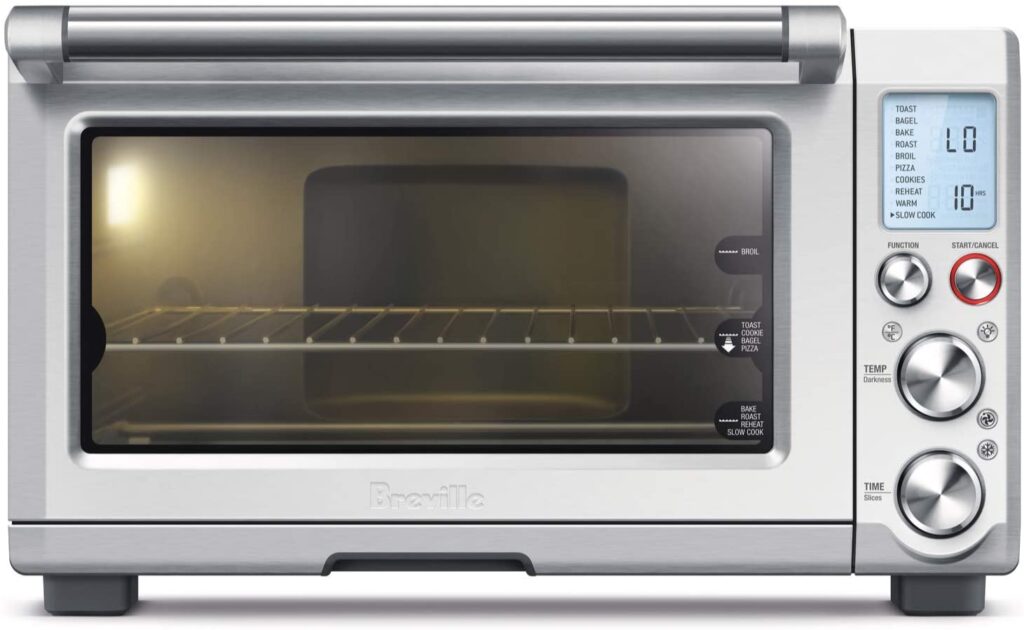
For optimal results, the recommended oven temperature is 250°F to 275°F (121°C to 135°C). This low-and-slow method allows the meat to warm gradually without compromising its juiciness or tender texture. Temperatures above 300°F can quickly dry out thin slices, whereas lower temperatures require a much longer heating time, which may not be practical.
Maintaining this moderate temperature ensures the exterior doesn’t overcook while the interior reaches a safe and enjoyable warmth, preserving the prime rib’s natural marbling and flavor.
Best Cooking Time To Reheat Prime Rib Slices In Oven
The reheating time for prime rib slices depends on both thickness and the oven temperature. On average:
- Thin slices (½ inch or less): 10-15 minutes
- Medium slices (¾-1 inch): 15-20 minutes
- Thicker slices (1-2 inches): 20-30 minutes
These times assume an oven temperature around 250°F-275°F. Using a meat thermometer is the most reliable method to ensure proper heating: aim for an internal temperature of 120°F-130°F (49°C-54°C) for rare to medium-rare results, or up to 140°F (60°C) for medium doneness.
How To Reheat Prime Rib Slices In Oven
- Preheat the oven: Set your oven to 250°F-275°F.
- Prepare the meat: Remove prime rib slices from the refrigerator and allow them to come to room temperature for 15-20 minutes. Pat them dry with paper towels to prevent excess moisture.
- Wrap or cover: Place the slices on a baking sheet and cover loosely with aluminum foil. This helps retain moisture and ensures even heating.
- Reheat: Insert the meat into the preheated oven. Heat according to slice thickness, checking periodically with a meat thermometer.
- Optional finishing: For a crisp outer edge, uncover the slices in the last 3-5 minutes of reheating and broil briefly, but watch carefully to avoid overcooking.
- Serve immediately: Let the meat rest for a couple of minutes before serving to allow juices to redistribute.
When Not To Reheat Prime Rib Slices In The Oven
While the oven is ideal for reheating, there are situations when it might not be the best choice:
- Already well-done slices: Overheating will make them dry and tough.
- Extremely thin slices: These may cook too quickly and lose their juiciness.
- Meat that has been frozen without proper thawing: Reheating from frozen can lead to uneven warming; thaw completely first.
- Excessive leftover storage: Meat that has been in the refrigerator for more than 3-4 days may not be safe or flavorful to reheat.
Reheating Prime Rib Slices More Than Once
Reheating prime rib more than once is generally discouraged. Each cycle of heating and cooling breaks down the meat fibers and draws out moisture, resulting in a tougher, drier product. If multiple servings are anticipated, it’s best to reheat only the portion you intend to consume immediately.
What If I Use A Different Oven Temperature?
Using a higher temperature than 275°F will shorten the cooking time but increases the risk of overcooking the edges while leaving the center cold. Conversely, a lower temperature will extend cooking time, potentially making the reheating process inefficient and leading to uneven results. If adjusting temperatures, monitor the meat with a thermometer and adjust timing accordingly to prevent over- or underheating.
What If I Use A Different Oven Cook Time?
Reducing cook time may result in insufficiently warmed slices, while extending it can dry out the meat. Prime rib benefits from gentle, consistent heat, so any significant deviations from the recommended time require careful monitoring of internal temperature. Always prioritize internal temperature over arbitrary time, as the thickness of slices and individual oven variations can drastically affect outcomes.
Best Ways To Reheat Prime Rib Slices
Besides the oven, alternative methods exist for reheating prime rib:
- Sous vide: Excellent for precise temperature control and retaining juiciness.
- Skillet with a lid: Quick method; use medium-low heat and a splash of beef broth or water to maintain moisture.
- Microwave (with caution): Use low power, cover with a damp paper towel, and check frequently to avoid overcooking.
Each method has its pros and cons, but the oven remains the gold standard for even, controlled reheating.
Tips For Optimal Reheating Results
- Always allow meat to reach room temperature before reheating.
- Use a meat thermometer for accuracy rather than relying solely on time.
- Cover loosely with foil to prevent moisture loss.
- Consider adding a splash of beef broth or drippings to preserve juiciness.
- Avoid reheating multiple times. Serve only the portion needed.
- Finish with a brief broil for a crisp, flavorful edge if desired.
FAQs
What Is The Best Way To Reheat Prime Rib Slices In The Oven?
The best way to reheat prime rib slices in the oven is to preheat the oven to 250°F (120°C). Place the slices on a baking sheet and cover them loosely with aluminum foil to prevent drying out. Reheat for about 10-15 minutes, checking periodically to avoid overcooking.
Can I Reheat Prime Rib Slices In The Oven Without Drying Them Out?
Yes, covering the prime rib slices with aluminum foil helps retain moisture and prevents them from drying out. Additionally, reheating at a low temperature (around 250°F) ensures the meat stays tender and juicy.
How Long Does It Take To Reheat Prime Rib Slices In The Oven?
Reheating prime rib slices in the oven typically takes around 10-15 minutes at 250°F, depending on the thickness of the slices. Always check the internal temperature to ensure it reaches 120°F-130°F for optimal warmth without overcooking.
Should I Add Any Liquid When Reheating Prime Rib Slices In The Oven?
It is not necessary to add liquid when reheating prime rib slices in the oven, but a small amount of beef broth or water on the baking sheet can help maintain moisture if desired. Covering the slices with foil is generally sufficient to retain juiciness.
Can I Reheat Multiple Slices Of Prime Rib At Once In The Oven?
Yes, you can reheat multiple slices of prime rib in the oven at once. Ensure they are placed in a single layer on the baking sheet, with some space between them. This ensures even reheating and avoids overcrowding.
What Temperature Should The Oven Be Set To When Reheating Prime Rib Slices?
The oven should be set to 250°F (120°C) when reheating prime rib slices. This low temperature allows the meat to warm evenly without losing its tenderness or moisture.
Is It Better To Reheat Prime Rib Slices In The Oven Or Microwave?
Reheating prime rib slices in the oven is generally better than using a microwave. The oven provides more even heating and helps preserve the meat’s texture and flavor, while microwaving can lead to uneven reheating and a loss of tenderness.
How Can I Check If My Prime Rib Slices Are Reheated Properly?
To check if your prime rib slices are reheated properly, use a meat thermometer to ensure they have reached an internal temperature of 120°F-130°F for optimal warmth without overcooking. The meat should feel hot to the touch, but still tender and juicy.
Can I Reheat Prime Rib Slices In The Oven With A Crust?
Yes, you can reheat prime rib slices with a crust in the oven. Just ensure the slices are covered with foil to keep them from drying out. If you want to crisp up the crust, uncover the meat for the last few minutes of reheating.
How Do I Avoid Overcooking Prime Rib Slices When Reheating?
To avoid overcooking prime rib slices, always reheat at a low temperature, such as 250°F. Use a meat thermometer to monitor the internal temperature, and remove the slices from the oven once they reach 120°F-130°F. Keep the slices covered with foil to retain moisture and prevent them from drying out.