
How To Reheat Egg Casserole In Oven [FULL GUIDE]
Egg casserole is one of those comforting dishes that embodies both convenience and flavor. Often prepared in advance for breakfasts, brunches, or holiday gatherings, it combines fluffy eggs, savory fillings, and sometimes cheese, meats, or vegetables into a rich, satisfying dish. While fresh from the oven, it’s irresistible, but reheating it properly is essential to retain its texture, flavor, and overall appeal. Reheating too aggressively can leave the eggs rubbery, the vegetables soggy, or the cheese grainy, while insufficient heating may leave it cold or unsafe to eat. This guide dives deep into the best practices for reheating egg casserole in the oven, ensuring each bite tastes almost as good as the first.
Contents
- 1 Best Temperature To Reheat Egg Casserole In Oven
- 2 Best Cooking Time To Reheat Egg Casserole In Oven
- 3 How To Reheat Egg Casserole In Oven
- 4 When Not To Reheat Egg Casserole In The Oven
- 5 Reheating Egg Casserole More Than Once
- 6 What If I Use A Different Oven Temperature?
- 7 What If I Use A Different Oven Cook Time?
- 8 Best Ways To Reheat Egg Casserole
- 9 Tips For Optimal Reheating Results
- 10 FAQs
- 10.1 What Is The Best Temperature To Reheat An Egg Casserole In The Oven?
- 10.2 Should I Cover The Egg Casserole With Foil When Reheating?
- 10.3 How Long Does It Take To Reheat An Egg Casserole In The Oven?
- 10.4 Can I Reheat An Egg Casserole Straight From The Refrigerator?
- 10.5 How Do I Reheat A Frozen Egg Casserole In The Oven?
- 10.6 How Can I Prevent The Egg Casserole From Drying Out While Reheating?
- 10.7 Do I Need To Check The Internal Temperature When Reheating?
- 10.8 Can I Reheat Individual Portions Of Egg Casserole In The Oven?
- 10.9 Is It Better To Use A Glass Or Metal Baking Dish For Reheating?
- 10.10 Can I Add Toppings Like Cheese Or Herbs When Reheating?
Best Temperature To Reheat Egg Casserole In Oven
Reheating egg casserole requires a delicate balance between warming the dish thoroughly and preserving its texture. The ideal temperature generally ranges from 325°F to 350°F (163°C to 177°C). This moderate heat allows the casserole to warm evenly without drying out. Lower temperatures, around 300°F (149°C), work for delicate or cheese-heavy casseroles, helping prevent the cheese from separating and the eggs from becoming rubbery. Conversely, temperatures above 375°F (190°C) can crisp the edges excessively while overcooking the interior.
A crucial tip is to preheat the oven before placing the casserole inside. This ensures that the heat penetrates the dish consistently, rather than slowly warming it from room temperature, which can lead to uneven results.
Best Cooking Time To Reheat Egg Casserole In Oven
The cooking time for reheating an egg casserole depends on its size, thickness, and whether it is covered. As a general guideline:
- Individual portions or small slices: 15-20 minutes
- Half of a standard 9×13-inch casserole: 25-30 minutes
- Whole 9×13-inch casserole: 35-45 minutes
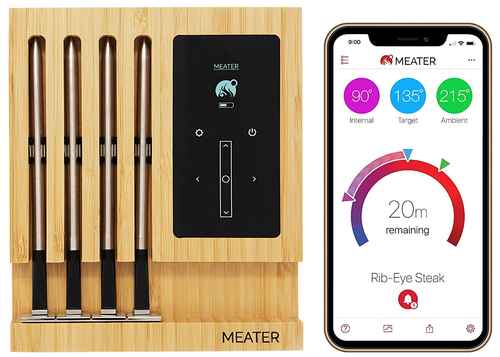
Using an oven-safe cover or foil can help retain moisture, preventing the eggs from drying out during the reheating process. Checking the casserole periodically with a food thermometer ensures it reaches an internal temperature of 165°F (74°C), which is considered safe for leftovers.
How To Reheat Egg Casserole In Oven
- Preheat the oven to 325-350°F (163-177°C).
- Prepare the casserole by placing it in an oven-safe dish if it’s not already in one. Cover the top loosely with foil to prevent moisture loss.
- Insert into the oven and begin checking after 15-20 minutes for small portions, or 25-30 minutes for larger portions.
- Check internal temperature with a food thermometer; it should reach 165°F (74°C).
- Optional: Remove foil during the last 5-10 minutes of reheating if you want a slightly crisped top.
This method ensures the casserole heats evenly, the eggs remain tender, and the flavors meld perfectly.
When Not To Reheat Egg Casserole In The Oven
While reheating in the oven is usually safe, there are situations where it is not recommended:
- Casseroles left unrefrigerated for more than 2 hours: Bacteria multiply quickly at room temperature. Reheating won’t make them safe to eat.
- Casseroles frozen without proper thawing: Reheating directly from frozen can lead to uneven heating, with cold pockets inside. Thaw in the fridge overnight before reheating.
- Casseroles with very high water content vegetables (e.g., tomatoes, zucchini): These may release excess moisture when reheated, creating a soggy texture. In such cases, alternative reheating methods like stovetop or microwave may be better.
Reheating Egg Casserole More Than Once
Reheating an egg casserole multiple times is generally discouraged. Each cycle of cooling and reheating increases the risk of bacterial growth and degrades the dish’s texture. If necessary, only reheat individual portions rather than the entire casserole to minimize repeated exposure to heat and air. Always ensure the internal temperature reaches 165°F (74°C) during each reheating.
What If I Use A Different Oven Temperature?
Adjusting the oven temperature can significantly impact your results:
- Lower temperatures (300°F / 149°C): Safer for delicate, cheese-heavy casseroles; slower reheating reduces the risk of rubbery eggs.
- Higher temperatures (375-400°F / 190-204°C): Heats faster, but risks overcooked eggs and dried edges; good if you want a slightly crisp top but monitor closely.
It’s a balancing act: lower temperatures preserve moisture, while higher temperatures may alter texture quickly.
What If I Use A Different Oven Cook Time?
Cooking time directly correlates with the temperature:
- Shorter times: May leave the casserole unevenly heated. Cold pockets can persist, especially in thick casseroles.
- Longer times: Risk drying out the eggs and making cheese grainy.
Using a food thermometer is the safest approach. Adjust time in small increments (5-10 minutes) and check often to achieve optimal results.
Best Ways To Reheat Egg Casserole
While the oven is generally the preferred method, alternative approaches exist:
- Microwave (individual portions): Convenient for single servings, though the texture may be slightly softer. Cover with a microwave-safe lid or wrap to retain moisture.
- Stovetop (skillet or pan): Works well for small slices. Cover and heat on low to medium until warmed through.
- Toaster oven: Ideal for small portions, preserves a slightly crispy top without overheating the interior.
Tips For Optimal Reheating Results
- Cover the casserole: Prevents moisture loss and protects the eggs from drying.
- Check internal temperature: 165°F (74°C) ensures safe consumption.
- Allow slight resting after reheating: Let it sit 3-5 minutes; heat distributes more evenly.
- Portion control: Reheat only what you will eat to maintain freshness.
- Add a splash of milk or cream (optional): For casseroles that seem dry, a small amount stirred in before reheating can restore creaminess.
FAQs
What Is The Best Temperature To Reheat An Egg Casserole In The Oven?
The best temperature for reheating an egg casserole is 325°F (163°C). This allows the casserole to heat evenly without overcooking the eggs or drying out the dish.
Should I Cover The Egg Casserole With Foil When Reheating?
Yes, covering the casserole with aluminum foil helps retain moisture and prevents the top from becoming too brown or dry during reheating.
How Long Does It Take To Reheat An Egg Casserole In The Oven?
Reheating usually takes 20 to 30 minutes for a standard 9×13-inch casserole, depending on the thickness and whether it was refrigerated or frozen.
Can I Reheat An Egg Casserole Straight From The Refrigerator?
Yes, you can reheat it directly from the refrigerator. Just allow an extra 5-10 minutes for it to reach an even internal temperature.
How Do I Reheat A Frozen Egg Casserole In The Oven?
For a frozen egg casserole, preheat the oven to 350°F (177°C) and cover it with foil. Bake for 45-60 minutes, checking that the internal temperature reaches 165°F (74°C).
How Can I Prevent The Egg Casserole From Drying Out While Reheating?
Cover the casserole with foil, add a small amount of milk or cream to the surface if it seems dry, and avoid using a high temperature, which can overcook the eggs.
Do I Need To Check The Internal Temperature When Reheating?
Yes, it is recommended to check that the internal temperature reaches 165°F (74°C) to ensure it is safely heated through, especially if it contains meat or dairy.
Can I Reheat Individual Portions Of Egg Casserole In The Oven?
Yes, place individual portions in an oven-safe dish, cover with foil, and reheat at 325°F (163°C) for 10-15 minutes, depending on the size of the portion.
Is It Better To Use A Glass Or Metal Baking Dish For Reheating?
Both glass and metal dishes work, but glass heats more slowly and evenly, reducing the risk of burning the edges. Metal pans heat faster, so watch closely to avoid overcooking.
Can I Add Toppings Like Cheese Or Herbs When Reheating?
Yes, you can add cheese, herbs, or other toppings. Remove the foil for the last 5-10 minutes of reheating to allow the toppings to melt or brown slightly.