
How To Reheat Stuffed Peppers In Oven [FULL GUIDE]
Stuffed peppers are a vibrant and comforting dish, often filled with a savory mixture of meat, grains, vegetables, and cheese. Their versatility makes them a favorite for meal prepping or enjoying as leftovers. However, reheating stuffed peppers can be tricky. Heat them too quickly, and the filling can dry out; heat them too slowly, and the peppers themselves may become mushy. The key to perfect reheating lies in understanding temperature, timing, and technique. This guide delves deeply into the optimal methods for bringing leftover stuffed peppers back to life, ensuring they retain their flavor, texture, and visual appeal.
Contents
- 1 Best Temperature To Reheat Stuffed Peppers In Oven
- 2 Best Cooking Time To Reheat Stuffed Peppers In Oven
- 3 How To Reheat Stuffed Peppers In Oven
- 4 When Not To Reheat Stuffed Peppers In The Oven
- 5 Reheating Stuffed Peppers More Than Once
- 6 What If I Use A Different Oven Temperature?
- 7 What If I Use A Different Oven Cook Time?
- 8 Best Ways To Reheat Stuffed Peppers
- 9 Tips For Optimal Reheating Results
- 10 FAQs
- 10.1 What Temperature Should I Use To Reheat Stuffed Peppers In The Oven?
- 10.2 How Long Should I Reheat Stuffed Peppers In The Oven?
- 10.3 Should I Cover Stuffed Peppers When Reheating In The Oven?
- 10.4 Can I Reheat Stuffed Peppers Directly From The Freezer In The Oven?
- 10.5 Is It Necessary To Add Moisture When Reheating Stuffed Peppers In The Oven?
- 10.6 How Can I Check If The Stuffed Peppers Are Fully Reheated?
- 10.7 Can I Reheat Stuffed Peppers In The Oven Without Foil?
- 10.8 Will Reheating Stuffed Peppers In The Oven Change Their Texture?
- 10.9 Can I Add Extra Toppings When Reheating Stuffed Peppers?
- 10.10 What Is The Best Way To Store Stuffed Peppers Before Reheating?
Best Temperature To Reheat Stuffed Peppers In Oven
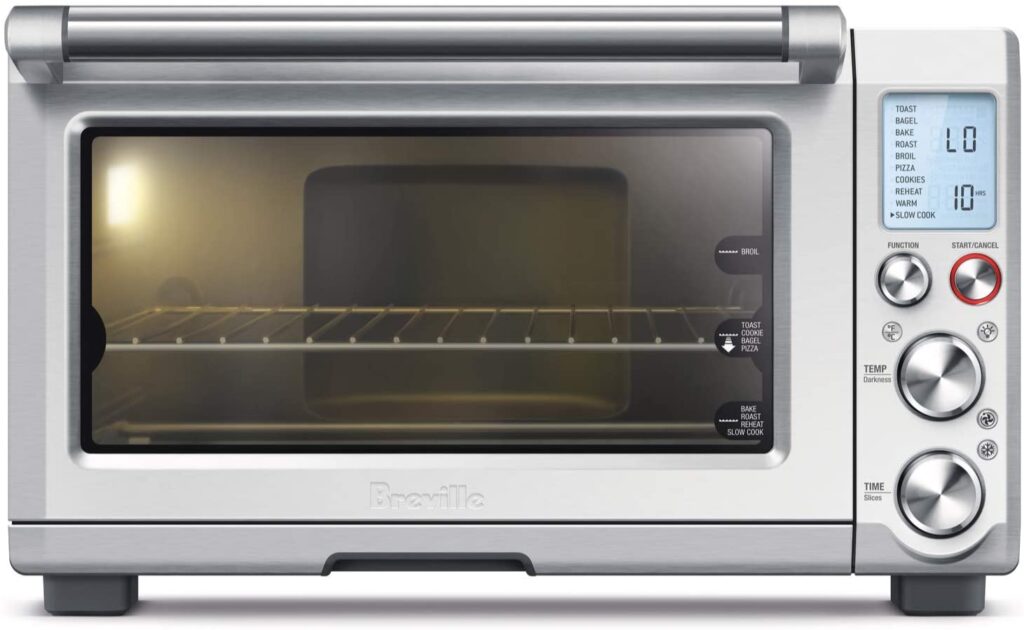
The ideal oven temperature for reheating stuffed peppers is around 350°F (175°C). This temperature is high enough to warm the filling thoroughly without overcooking the pepper shell. Using a lower temperature, such as 300°F (150°C), can preserve moisture but will require more time, which may be inconvenient. Conversely, temperatures above 375°F (190°C) risk drying out the filling, burning the cheese topping, or making the pepper wrinkly and tough.
For stuffed peppers with a higher moisture content, such as those containing tomato sauce or a rice-based filling, slightly lowering the temperature to 325°F (165°C) can help prevent the filling from drying out while still achieving a hot and flavorful result.
Best Cooking Time To Reheat Stuffed Peppers In Oven
Reheating time depends largely on the size of the pepper and whether it’s covered during reheating. For average-sized bell peppers:
- Covered (with foil): 20-25 minutes
- Uncovered: 25-30 minutes
Covering the pepper with aluminum foil traps steam, preventing the outer shell from drying out while the filling warms evenly. Uncovered reheating will give a slightly roasted texture to the pepper’s exterior and allow cheese toppings to crisp and brown nicely.
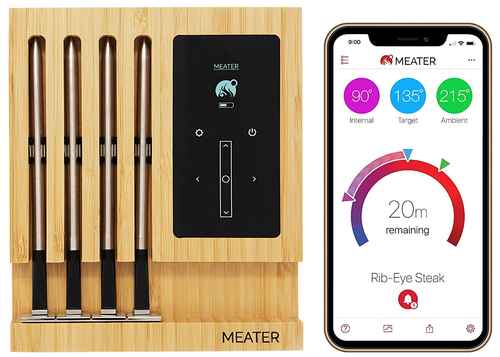
For very large stuffed peppers, expect reheating times to increase by 5-10 minutes. Using a food thermometer is the safest approach; the internal temperature of the filling should reach 165°F (74°C) to ensure it is safely reheated.
How To Reheat Stuffed Peppers In Oven
- Preheat the oven to 350°F (175°C).
- Prepare the peppers: Place them in an oven-safe dish. If they are plain or have a tomato-based sauce, you may want to add a splash of water or extra sauce to the bottom to prevent drying.
- Cover with foil: This helps retain moisture in the filling. If you prefer a slightly crispy cheese topping, leave the foil off for the last 5-10 minutes.
- Reheat in the oven: Bake for 20-30 minutes, depending on size, until the internal temperature reaches 165°F (74°C).
- Check periodically: If the peppers appear too dry, lightly brush with olive oil or add a few tablespoons of water to the pan.
When Not To Reheat Stuffed Peppers In The Oven
While the oven is ideal for most reheating scenarios, there are situations where it may not be the best choice:
- Overly watery fillings: Some rice or vegetable mixtures can release excess moisture. Reheating in the oven may further evaporate liquid, making the peppers dry.
- Delicate cheese toppings: Cheeses like ricotta or cream cheese may separate or become grainy when reheated for too long.
- Very small or thin peppers: They can overcook quickly in the oven, resulting in a mushy texture.
In these cases, alternative methods such as microwave reheating with a cover or steaming may be preferable.
Reheating Stuffed Peppers More Than Once
Repeatedly reheating stuffed peppers is not recommended. Each cycle of heating and cooling increases the risk of:
- Drying out the pepper and filling
- Altering the texture of the grains or meat
- Reducing flavor quality
- Food safety risks if the internal temperature does not reach 165°F (74°C) consistently
If you anticipate multiple meals, it’s better to reheat only the portion you plan to eat and store the rest properly in the refrigerator or freezer.
What If I Use A Different Oven Temperature?
- Lower temperature (300-325°F / 150-165°C): Slower reheating, preserves moisture, prevents burning, but requires longer cooking time.
- Higher temperature (375-400°F / 190-200°C): Faster reheating, may crisp the exterior, but risks drying out the filling or overcooking the pepper.
Always monitor the peppers and adjust timing accordingly. A meat thermometer is invaluable for ensuring safe reheating.
What If I Use A Different Oven Cook Time?
- Shorter time: The filling may remain cold or unevenly heated.
- Longer time: Risks overcooking the pepper shell and drying out the filling.
The solution is to balance temperature and time-lower temperatures require longer times, and higher temperatures require shorter times. Small adjustments should be made based on the size and composition of your stuffed peppers.
Best Ways To Reheat Stuffed Peppers
- Oven (preferred): Even heat distribution, preserves structure and flavor.
- Microwave (quick): Use a microwave-safe cover to trap steam, reheat in short intervals to avoid overcooking.
- Skillet (for crispy bottoms): Place peppers in a skillet with a splash of water, cover, and heat over medium-low heat.
The oven method remains the gold standard for maintaining both flavor and texture.
Tips For Optimal Reheating Results
- Cover peppers with foil to prevent drying.
- Add a little sauce or water to the dish to maintain moisture.
- Check internal temperature to ensure food safety.
- For cheese toppings, remove foil in the last 5-10 minutes to brown.
- Avoid reheating multiple times to preserve quality.
- For frozen stuffed peppers, thaw in the refrigerator overnight before reheating for even results.
FAQs
What Temperature Should I Use To Reheat Stuffed Peppers In The Oven?
Preheat your oven to 350°F (175°C) for even reheating. This temperature is ideal because it warms the peppers thoroughly without overcooking the filling or drying out the pepper.
How Long Should I Reheat Stuffed Peppers In The Oven?
Reheat stuffed peppers for 20 to 25 minutes if they are refrigerated, and 35 to 40 minutes if they are frozen. Always check that the internal temperature of the filling reaches 165°F (74°C) for safe consumption.
Should I Cover Stuffed Peppers When Reheating In The Oven?
Yes, cover the peppers loosely with aluminum foil to prevent the tops from burning and to retain moisture, which helps keep the filling soft and the peppers tender.
Can I Reheat Stuffed Peppers Directly From The Freezer In The Oven?
Yes, frozen stuffed peppers can be reheated directly in the oven, but they will take longer-typically 35 to 45 minutes at 350°F (175°C). Cover with foil to prevent drying out.
Is It Necessary To Add Moisture When Reheating Stuffed Peppers In The Oven?
Adding a tablespoon or two of water or tomato sauce to the baking dish before covering with foil can help maintain moisture and prevent the filling from drying out.
How Can I Check If The Stuffed Peppers Are Fully Reheated?
Insert a food thermometer into the center of the filling. The internal temperature should reach at least 165°F (74°C). Alternatively, check if the peppers are hot and the filling is bubbling gently.
Can I Reheat Stuffed Peppers In The Oven Without Foil?
Yes, but you risk the tops of the peppers or cheese melting on top becoming overly brown or slightly burnt. You can uncover them for the last 5 minutes of reheating to achieve a golden top.
Will Reheating Stuffed Peppers In The Oven Change Their Texture?
Slightly. The peppers may become a bit softer, and the filling may become denser, especially if overcooked. Using moderate heat and covering them helps preserve their original texture.
Can I Add Extra Toppings When Reheating Stuffed Peppers?
Yes, you can add cheese or breadcrumbs on top during the last 5-10 minutes of reheating to achieve a melted or crispy topping without overcooking the rest of the pepper.
What Is The Best Way To Store Stuffed Peppers Before Reheating?
Store stuffed peppers in an airtight container in the refrigerator for up to 3-4 days or in the freezer for up to 2-3 months. Proper storage prevents moisture loss and ensures even reheating.