
How To Reheat Vegetables In Oven [FULL GUIDE]
Reheating vegetables may seem like a simple task, but doing it properly can make the difference between a dish that tastes fresh and vibrant versus one that feels soggy, bland, or overcooked. Unlike meats or casseroles, vegetables have delicate textures and flavors that are easily altered by heat. Oven reheating is one of the most effective methods for preserving taste, color, and nutritional value. It allows vegetables to regain their natural crispness while avoiding the sogginess often caused by microwaves or stovetop steaming. Understanding the right temperature, cooking time, and techniques ensures your leftovers maintain their original appeal, making each bite as satisfying as when they were first cooked.
Contents
- 1 Best Temperature To Reheat Vegetables In Oven
- 2 Best Cooking Time To Reheat Vegetables In Oven
- 3 How To Reheat Vegetables In Oven
- 4 When Not To Reheat Vegetables In The Oven
- 5 Reheating Vegetables More Than Once
- 6 What If I Use A Different Oven Temperature?
- 7 What If I Use A Different Oven Cook Time?
- 8 Best Ways To Reheat Vegetables
- 9 Tips For Optimal Reheating Results
- 10 FAQs
- 10.1 What Is The Best Temperature To Reheat Vegetables In The Oven?
- 10.2 How Long Should I Reheat Vegetables In The Oven?
- 10.3 Should I Cover Vegetables When Reheating Them In The Oven?
- 10.4 Can I Reheat Frozen Vegetables In The Oven Directly?
- 10.5 Do I Need To Add Oil Or Seasoning When Reheating Vegetables In The Oven?
- 10.6 Can I Reheat Vegetables In The Oven Without Drying Them Out?
- 10.7 Is It Safe To Reheat Vegetables In The Oven More Than Once?
- 10.8 How Do I Reheat Roasted Vegetables Without Making Them Soggy?
- 10.9 Can I Reheat Mixed Vegetables Together In The Oven?
- 10.10 How Can I Tell When Vegetables Are Properly Reheated In The Oven?
Best Temperature To Reheat Vegetables In Oven
The optimal oven temperature for reheating vegetables typically falls between 325°F (160°C) and 400°F (205°C), depending on the type of vegetable and the desired outcome.

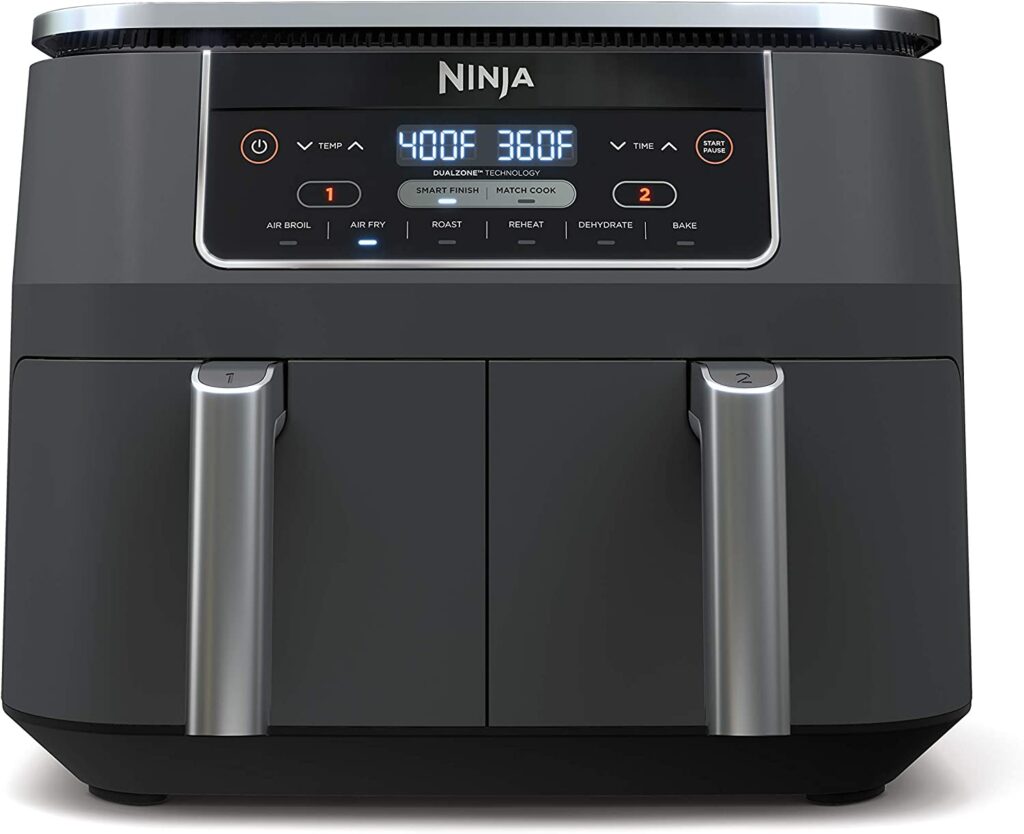
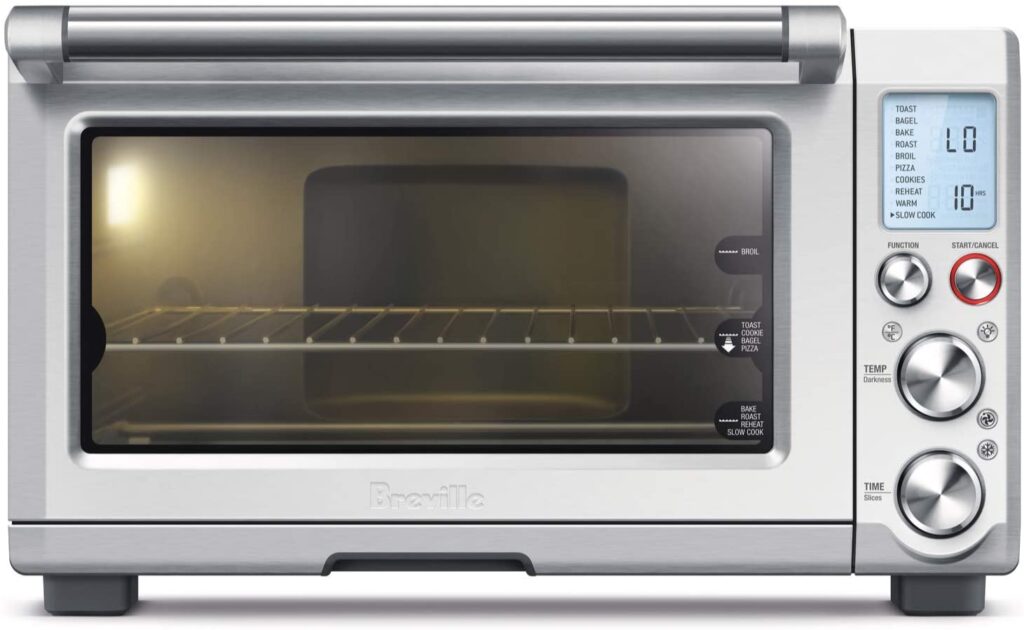
- Low and Slow (325°F / 160°C): Ideal for tender vegetables like cooked spinach, zucchini, or mushrooms. A lower temperature gently warms the vegetables without drying them out, preserving moisture and preventing overcooking.
- Moderate Heat (350°F / 175°C): Works well for denser vegetables such as carrots, green beans, or broccoli. This temperature heats evenly while allowing some caramelization, which enhances flavor.
- High Heat (400°F / 205°C): Best for root vegetables, cauliflower, Brussels sprouts, or any vegetables with a higher starch content. High heat can help revive a roasted exterior, restoring crispness and a lightly browned texture.
Choosing the correct temperature ensures that the reheated vegetables retain their original texture and flavor rather than turning mushy or burnt.
Best Cooking Time To Reheat Vegetables In Oven
Cooking time depends on both the type of vegetable and the initial cooking method. On average:
- Tender vegetables (spinach, zucchini, mushrooms): 5-10 minutes
- Medium-density vegetables (broccoli, green beans, bell peppers): 10-15 minutes
- Dense vegetables (carrots, potatoes, Brussels sprouts, cauliflower): 15-20 minutes
It’s crucial to check vegetables midway through reheating. Overcooking can lead to soggy, waterlogged vegetables, while underheating may leave them cold in the center. For an even heat, spread vegetables in a single layer on a baking sheet and avoid stacking them, which traps steam and slows the reheating process.
How To Reheat Vegetables In Oven
- Preheat the Oven: Always preheat to your chosen temperature. This ensures the vegetables heat evenly.
- Prepare Vegetables: If vegetables were stored in the refrigerator, let them sit at room temperature for 5-10 minutes. Spread them evenly on a baking sheet. Lightly drizzle with oil to restore moisture and enhance crispness.
- Cover or Leave Uncovered: Tender vegetables may benefit from a light foil cover to retain moisture, while roasted or dense vegetables should remain uncovered to maintain their caramelized exterior.
- Reheat: Place in the oven for the recommended time, shaking or turning the vegetables halfway through for even reheating.
- Check Temperature: Use a fork to test tenderness. Vegetables should be heated through without being mushy.
- Serve Immediately: Oven-reheated vegetables are best served hot for maximum flavor and texture.
When Not To Reheat Vegetables In The Oven
Not all vegetables respond well to reheating. Leafy greens like spinach, lettuce, or bok choy can become bitter, slimy, or wilted when reheated. Cucumbers, radishes, and raw salads are also poor candidates for oven reheating due to their high water content and delicate texture. Additionally, vegetables stored for several days in the refrigerator may have lost too much moisture, resulting in a dry, flavorless reheated product.
Reheating Vegetables More Than Once
Repeated reheating should be avoided whenever possible. Each cycle of heat diminishes texture, flavor, and nutritional content. Reheating more than once can also increase the risk of bacterial growth if vegetables were not stored properly. If multiple servings are expected, it’s better to reheat only the portion to be consumed immediately and keep the rest refrigerated until needed.
What If I Use A Different Oven Temperature?
Changing the oven temperature alters the texture and heating speed:
- Lower Temperature: Vegetables may reheat gently but take longer, which can dry them out if moisture escapes.
- Higher Temperature: Vegetables reheat faster, and a crisp exterior can be achieved, but there is a risk of burning or uneven heating, especially for tender vegetables.
Always adjust cooking time in conjunction with temperature changes to maintain optimal results.
What If I Use A Different Oven Cook Time?
Cooking time directly affects texture and flavor:
- Shorter Time: Vegetables may not be heated through, leaving cold or partially cooked sections.
- Longer Time: Overheating can cause water loss, resulting in dry or mushy vegetables, and can even produce a burnt or bitter taste.
Monitoring vegetables closely and stirring or flipping halfway through prevents uneven reheating.
Best Ways To Reheat Vegetables
- Oven Roasting: Restores crispness and enhances natural flavors.
- Sautéing: Works for tender vegetables; a quick toss in a hot pan with oil can bring them back to life.
- Steaming: Gentle reheating for delicate vegetables to preserve color and moisture.
- Microwave: Convenient for small portions but may compromise texture. Use a microwave-safe cover to trap steam and prevent drying.
Tips For Optimal Reheating Results
- Single Layer Arrangement: Prevents steaming and sogginess.
- Add Oil or Butter: Enhances flavor and restores moisture lost during storage.
- Season Again: Fresh herbs, salt, or pepper can revive flavor.
- Shake or Flip: Ensures even heat distribution.
- Monitor Closely: Overheating is a common mistake; check frequently.
- Preheat Your Oven: Guarantees consistent results from the start.
FAQs
What Is The Best Temperature To Reheat Vegetables In The Oven?
The ideal temperature to reheat vegetables in the oven is between 350°F (175°C) and 400°F (205°C). This range helps warm the vegetables evenly without overcooking or drying them out.
How Long Should I Reheat Vegetables In The Oven?
The reheating time depends on the type and size of vegetables. Generally, 10-15 minutes is sufficient for chopped or bite-sized pieces, while larger pieces may require 15-20 minutes. Stirring halfway through ensures even heating.
Should I Cover Vegetables When Reheating Them In The Oven?
Covering vegetables with foil can help retain moisture and prevent them from drying out, especially for softer vegetables like zucchini or broccoli. Harder vegetables like carrots or potatoes can be reheated uncovered to maintain crispness.
Can I Reheat Frozen Vegetables In The Oven Directly?
Yes, but it’s recommended to spread them evenly on a baking sheet and preheat the oven to 400°F (205°C). Frozen vegetables may need 15-25 minutes depending on size and type. Tossing halfway through ensures even reheating.
Do I Need To Add Oil Or Seasoning When Reheating Vegetables In The Oven?
Adding a light drizzle of olive oil or a small amount of butter can help prevent vegetables from drying out and enhance flavor. You can also sprinkle a pinch of salt, pepper, or herbs for added taste.
Can I Reheat Vegetables In The Oven Without Drying Them Out?
Yes. To avoid drying, spread vegetables in a single layer, cover loosely with foil if needed, and monitor them closely. Adding a small amount of water or oil can also help maintain moisture.
Is It Safe To Reheat Vegetables In The Oven More Than Once?
It is generally safe to reheat vegetables only once. Multiple reheatings can increase the risk of bacterial growth and can negatively affect texture and flavor.
How Do I Reheat Roasted Vegetables Without Making Them Soggy?
To keep roasted vegetables crisp, reheat them uncovered at 375°F-400°F (190°C-205°C) on a baking sheet, and avoid adding extra water. Stirring halfway helps all sides crisp evenly.
Can I Reheat Mixed Vegetables Together In The Oven?
Yes, but consider the cooking times of different vegetables. Harder vegetables like carrots and potatoes may require slightly longer reheating than softer ones like bell peppers or spinach. Cutting all pieces to similar sizes helps them heat evenly.
How Can I Tell When Vegetables Are Properly Reheated In The Oven?
Vegetables are properly reheated when they are steaming hot in the center and have reached the desired texture. A fork should pierce easily, and if reheating roasted vegetables, they should regain a slight crispness without burning.