
How To Reheat Stuffing In Oven [FULL GUIDE]
Stuffing is one of the quintessential comfort foods of many holiday meals, from Thanksgiving to Christmas dinners. Its savory blend of bread, herbs, vegetables, and sometimes meat, creates a flavor profile that is both aromatic and hearty. However, one of the challenges home cooks often face is reheating leftover stuffing without losing its texture, moisture, or flavor. Improper reheating can leave stuffing dry, dense, or unevenly warmed, diminishing its appeal. Reheating stuffing in the oven, when done correctly, allows it to regain a freshly baked quality-crispy on top, soft and moist inside. Understanding the ideal temperature, cooking time, and techniques is crucial to preserving its original taste and consistency.
Contents
- 1 Best Temperature To Reheat Stuffing In The Oven
- 2 Best Cooking Time To Reheat Stuffing In The Oven
- 3 How To Reheat Stuffing In The Oven
- 4 When Not To Reheat Stuffing In The Oven
- 5 Reheating Stuffing More Than Once
- 6 What If I Use A Different Oven Temperature?
- 7 What If I Use A Different Oven Cook Time?
- 8 Best Ways To Reheat Stuffing
- 9 Tips For Optimal Reheating Results
- 10 FAQs
- 10.1 What Is The Best Way To Reheat Stuffing In The Oven?
- 10.2 Can I Reheat Stuffing Directly From The Fridge In The Oven?
- 10.3 Should I Add Liquid When Reheating Stuffing In The Oven?
- 10.4 How Long Does It Take To Reheat Stuffing In The Oven?
- 10.5 Can I Reheat Stuffing In The Oven Without Covering It?
- 10.6 Is It Possible To Reheat Stuffing In The Oven If It Was Frozen?
- 10.7 What Temperature Should The Oven Be Set To When Reheating Stuffing?
- 10.8 Can I Mix The Stuffing With Additional Ingredients While Reheating It?
- 10.9 How Do I Ensure My Stuffing Is Heated All The Way Through In The Oven?
- 10.10 Can I Reheat Stuffing In The Oven If It Has Been Sitting Out At Room Temperature?
Best Temperature To Reheat Stuffing In The Oven
The key to perfectly reheated stuffing lies in striking a balance between warming it thoroughly and preventing it from drying out. Most culinary experts recommend an oven temperature between 325°F (163°C) and 350°F (177°C).
- 325°F (163°C): This lower temperature is ideal if you are reheating a larger quantity of stuffing or if it has been stored in the refrigerator. It allows heat to penetrate gradually, reducing the risk of burning the edges while ensuring the center is warmed through.
- 350°F (177°C): This slightly higher temperature works well for smaller portions or when you want a slightly crispier top. It provides faster heat distribution but requires closer monitoring to prevent drying.
Avoid temperatures above 375°F (190°C), as they can quickly overcook the stuffing, causing it to become dry and hard.
Best Cooking Time To Reheat Stuffing In The Oven
The cooking time for reheating stuffing depends on the portion size, density, and whether it is covered. General guidelines are:
- Individual servings: 15-20 minutes
- Casserole-sized portions (2-4 cups): 25-30 minutes
- Large family-sized portions (over 6 cups): 35-45 minutes
Covering the stuffing with aluminum foil helps retain moisture and prevents the top from becoming overly dry. If you prefer a crisp top, uncover during the last 5-10 minutes of reheating. Always check the internal temperature, which should reach 165°F (74°C) to ensure it is safely reheated.
How To Reheat Stuffing In The Oven
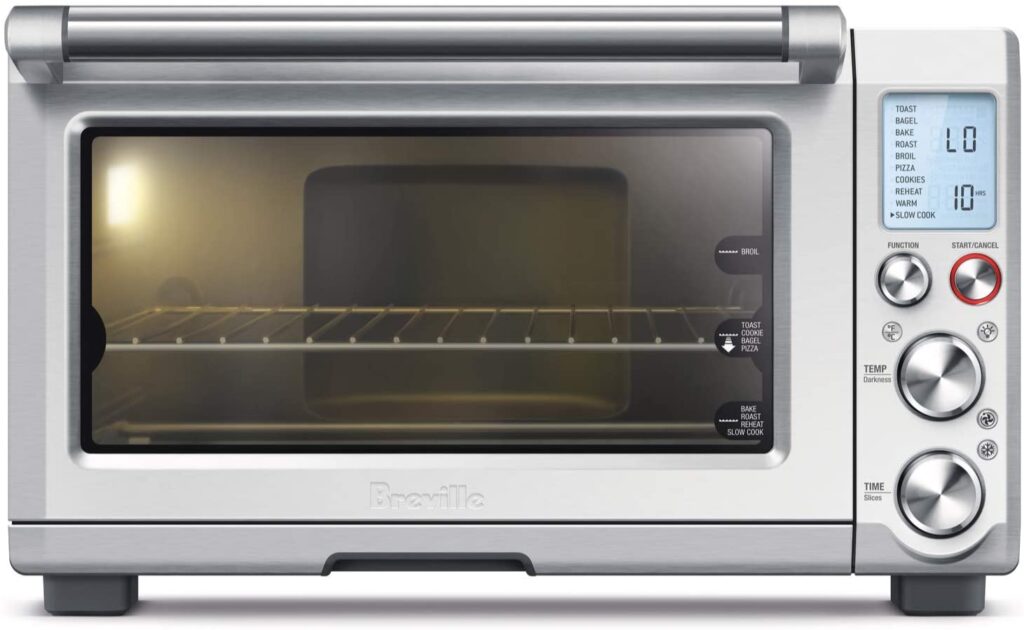
- Preheat the oven to the recommended temperature (325-350°F).
- Transfer the stuffing to an oven-safe dish if it isn’t already in one. Spread it evenly to allow uniform heating.
- Add moisture if needed: A few tablespoons of broth, melted butter, or even a light drizzle of water can prevent the stuffing from drying out.
- Cover with aluminum foil to trap steam and maintain moisture.
- Bake according to portion size as mentioned above, removing the foil in the last few minutes if a crispy top is desired.
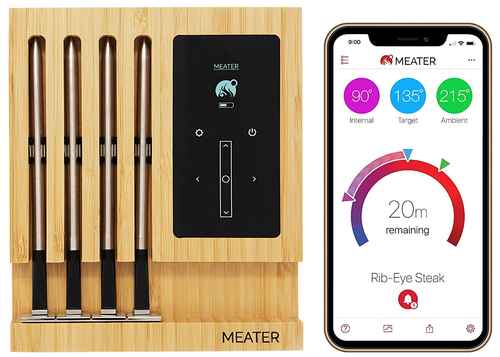
- Check internal temperature with a food thermometer to ensure it has reached 165°F.
When Not To Reheat Stuffing In The Oven
While reheating stuffing in the oven is generally safe, there are circumstances to avoid:
- Previously frozen and thawed multiple times: Repeated freezing and thawing increases the risk of bacterial growth.
- Stuffing left at room temperature too long: If stuffing has been sitting out for more than 2 hours (or 1 hour in hot climates), it is safer to discard it.
- Extremely dry or overcooked leftovers: Oven reheating may further dry out already dry stuffing; alternative methods like adding broth and reheating gently on the stovetop might work better.
Reheating Stuffing More Than Once
Reheating stuffing more than once is not recommended. Each cycle of reheating and cooling allows bacteria to multiply, and the texture degrades with every reheating. For best results, reheat only the portion you plan to eat. If you have a large batch, portion it into smaller containers before refrigerating, so you can reheat without repeatedly exposing the entire batch to heat.
What If I Use A Different Oven Temperature?
Adjusting the oven temperature will directly affect both texture and moisture:
- Lower temperatures (below 325°F): Slow reheating may preserve moisture but can result in uneven heating if the stuffing is dense.
- Higher temperatures (above 350°F): Speeds up reheating but increases the risk of drying out the stuffing or burning the edges.
If you deviate from the recommended temperature, keep a closer eye on the stuffing, stir occasionally for even heating, and use a thermometer to ensure safety.
What If I Use A Different Oven Cook Time?
Altering the cook time can either underheat or overcook stuffing:
- Shorter times: May leave the center cold, even if the edges appear ready.
- Longer times: Can dry out the stuffing, especially if uncovered.
A general principle: if adjusting time, keep internal temperature as your guide, aiming for 165°F. Moisture retention (by covering or adding broth) can also compensate for slightly longer cooking.
Best Ways To Reheat Stuffing
Beyond the standard oven method, several techniques can enhance the texture and flavor:
- Oven with foil cover: Best for even heating and moisture retention.
- Skillet on stovetop: Ideal for crisping up the bottom while retaining softness inside. Add a splash of broth and cover to heat through.
- Microwave: Quickest method, but can create uneven heating. Stir halfway and cover loosely with a microwave-safe lid to trap steam.
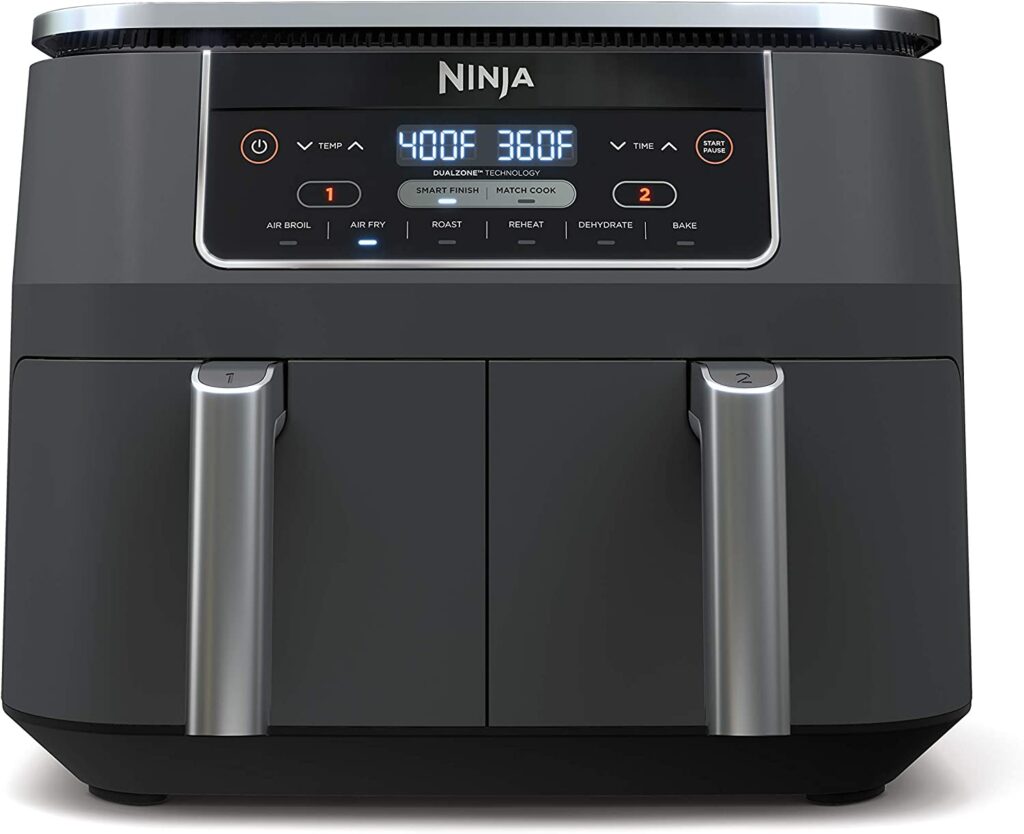
- Air fryer: Small portions can be reheated for a few minutes to achieve a crispy exterior while maintaining a soft center.
Tips For Optimal Reheating Results
- Add moisture: Butter or broth prevents dryness.
- Cover initially: Trap steam to heat evenly.
- Check internal temperature: Use a thermometer to ensure 165°F.
- Crisp the top last: Uncover for the final few minutes for a golden crust.
- Portion before reheating: Smaller batches heat faster and more evenly.
- Stir midway if dense: Helps distribute heat and moisture.
FAQs
What Is The Best Way To Reheat Stuffing In The Oven?
To reheat stuffing in the oven, preheat your oven to 350°F (175°C). Place the stuffing in an oven-safe dish and cover it with foil. Heat for about 20-30 minutes, or until the stuffing reaches an internal temperature of 165°F (74°C). Remove the foil during the last 5-10 minutes for a crispy top if desired.
Can I Reheat Stuffing Directly From The Fridge In The Oven?
Yes, you can reheat cold stuffing directly from the fridge. Ensure that you cover it with foil to retain moisture while reheating, and check the internal temperature to ensure it reaches 165°F (74°C) for safe consumption.
Should I Add Liquid When Reheating Stuffing In The Oven?
It is recommended to add a small amount of liquid, such as broth or water, to the stuffing before reheating. This helps prevent it from drying out. About 1/4 cup of liquid per cup of stuffing should suffice.
How Long Does It Take To Reheat Stuffing In The Oven?
Reheating stuffing in the oven generally takes about 20-30 minutes at 350°F (175°C), depending on the quantity and whether it is covered. You can check the internal temperature with a thermometer to confirm it is heated through.
Can I Reheat Stuffing In The Oven Without Covering It?
While you can reheat stuffing without covering it, it is generally better to cover it with foil during the first part of the reheating process. This helps retain moisture. You can uncover it during the last 5-10 minutes for a crispier top.
Is It Possible To Reheat Stuffing In The Oven If It Was Frozen?
Yes, you can reheat frozen stuffing in the oven. To do so, preheat the oven to 350°F (175°C). Place the frozen stuffing in an oven-safe dish and cover it with foil. It will take about 45-60 minutes to reheat thoroughly. If you thawed the stuffing first, the reheating time will be shorter.
What Temperature Should The Oven Be Set To When Reheating Stuffing?
Set your oven to 350°F (175°C) when reheating stuffing. This temperature ensures even heating without drying out the stuffing.
Can I Mix The Stuffing With Additional Ingredients While Reheating It?
Yes, you can mix in additional ingredients like more broth, vegetables, or cooked meat when reheating stuffing. This can help add moisture and flavor, as long as you mix it thoroughly before placing it back in the oven.
How Do I Ensure My Stuffing Is Heated All The Way Through In The Oven?
To ensure the stuffing is heated evenly, stir it halfway through the reheating process. Additionally, check the internal temperature with a thermometer, aiming for 165°F (74°C) to make sure it is thoroughly heated.
Can I Reheat Stuffing In The Oven If It Has Been Sitting Out At Room Temperature?
It is not recommended to reheat stuffing that has been left out at room temperature for more than two hours. If it has been at room temperature for longer than that, discard it to avoid foodborne illness risks.