
How To Reheat Spring Rolls In Oven [FULL GUIDE]
Spring rolls are a beloved culinary treat, renowned for their crisp, golden exterior and savory, flavorful fillings. Whether packed with vegetables, meat, or seafood, they offer a delightful contrast between a crunchy shell and a tender, flavorful interior. While fresh spring rolls are at their peak immediately after cooking, leftovers are often inevitable. Reheating spring rolls is not simply a matter of warming them; doing it incorrectly can leave the delicate wrappers soggy, chewy, or unevenly cooked. The oven is widely regarded as one of the best tools for reheating spring rolls because it provides even, controlled heat that preserves crispiness while gently warming the filling. However, achieving the perfect result requires careful attention to temperature, timing, and technique.
Contents
- 1 Best Temperature To Reheat Spring Rolls In Oven
- 2 Best Cooking Time To Reheat Spring Rolls In Oven
- 3 How To Reheat Spring Rolls In Oven
- 4 When Not To Reheat Spring Rolls In The Oven
- 5 Reheating Spring Rolls More Than Once
- 6 What If I Use A Different Oven Temperature?
- 7 What If I Use A Different Oven Cook Time?
- 8 Best Ways To Reheat Spring Rolls
- 9 Tips For Optimal Reheating Results
- 10 FAQs
- 10.1 What Is The Best Way To Reheat Spring Rolls In An Oven?
- 10.2 Do I Need To Cover Spring Rolls With Foil When Reheating?
- 10.3 Should I Use A Baking Sheet Or A Wire Rack To Reheat Spring Rolls?
- 10.4 How Long Should I Reheat Frozen Spring Rolls In The Oven?
- 10.5 Can I Reheat Spring Rolls In The Oven Without Preheating?
- 10.6 How Do I Prevent Spring Rolls From Drying Out In The Oven?
- 10.7 Can I Reheat Spring Rolls Directly From The Refrigerator?
- 10.8 Is It Safe To Reheat Spring Rolls Multiple Times In The Oven?
- 10.9 Can I Reheat Spring Rolls With Dipping Sauce In The Oven?
- 10.10 Do Different Types Of Spring Rolls Require Different Reheating Times?
Best Temperature To Reheat Spring Rolls In Oven
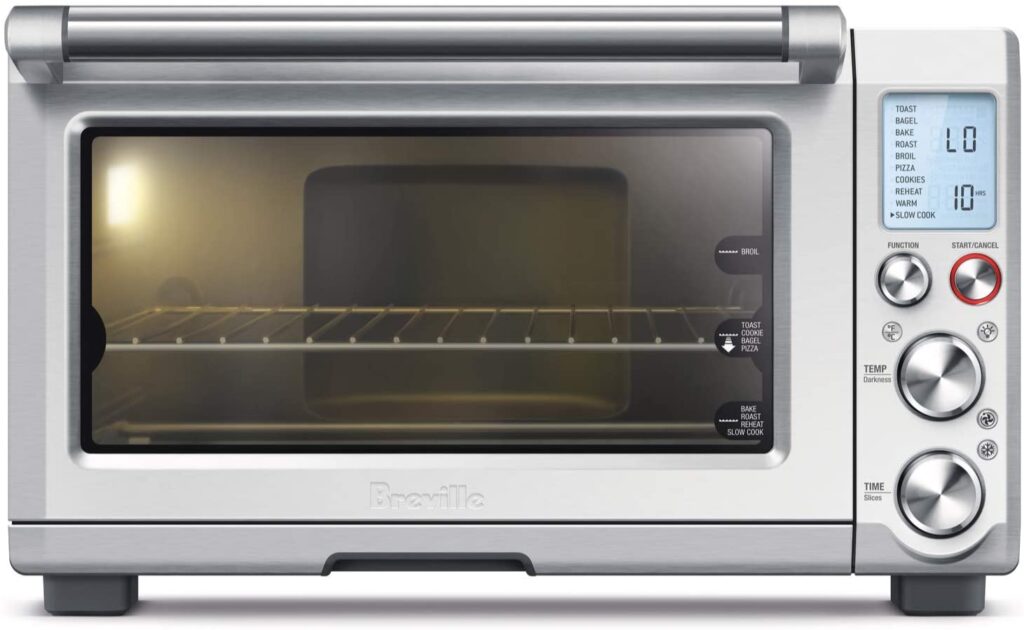
The optimal oven temperature for reheating spring rolls is generally 350°F to 375°F (175°C to 190°C). This temperature range strikes a balance between gently warming the filling and re-crisping the wrapper without burning it.
- Why not higher? Temperatures above 400°F (204°C) can quickly over-crisp the wrapper, leading to burnt edges while leaving the filling cold or unevenly heated.
- Why not lower? Temperatures below 325°F (163°C) may take too long to heat the filling thoroughly, resulting in a limp, chewy exterior.
Using this ideal temperature ensures that the spring rolls regain their original crunch and warmth, mimicking the fresh-from-the-fryer experience without additional oil.
Best Cooking Time To Reheat Spring Rolls In Oven
Timing is crucial. The average reheating duration is approximately 10 to 15 minutes, depending on the size and thickness of the spring rolls:
- Small spring rolls: 8-10 minutes
- Medium spring rolls: 10-12 minutes
- Large or stuffed spring rolls: 12-15 minutes
For best results, preheat the oven fully before placing the rolls inside. Turning the rolls halfway through the heating process helps ensure even crisping on all sides. Overcooking can cause the exterior to harden excessively, while undercooking may leave the center cold.
How To Reheat Spring Rolls In Oven
Follow these steps for optimal results:
- Preheat the oven: Set to 350-375°F (175-190°C).
- Prepare a baking sheet: Line it with parchment paper or lightly grease it to prevent sticking. Avoid overcrowding the pan; each roll should have a small gap around it.
- Arrange spring rolls: Place them in a single layer to allow even air circulation.
- Bake: Heat for 10-15 minutes, turning halfway through to ensure even crisping.
- Check doneness: The wrapper should be golden brown and crisp, and the filling should be hot throughout.
- Serve immediately: Spring rolls are best enjoyed hot and fresh from the oven.
Optional tip: For an extra-crispy exterior, lightly mist the rolls with water or oil before baking.
When Not To Reheat Spring Rolls In The Oven
Oven reheating is not ideal in certain situations:
- Extremely thin or delicate rolls: Some ultra-thin rice paper spring rolls can dry out quickly.
- Overly wet fillings: Saucy spring rolls may become soggy in the oven.
- Multiple reheats already performed: Previously reheated rolls may lose structural integrity and crispness.
In these cases, alternative methods like steaming or pan-frying may yield better results.
Reheating Spring Rolls More Than Once
Reheating spring rolls multiple times is generally discouraged. Each reheating cycle reduces moisture content, increasing the likelihood of a dry or tough wrapper and unevenly warmed filling. If you must reheat again, do so briefly at a slightly lower temperature (around 325°F / 163°C) and monitor closely to prevent overcooking. Ideally, reheat only what you plan to eat immediately.
What If I Use A Different Oven Temperature?
- Lower temperature (300-325°F / 150-163°C): Rolls will heat slowly. The filling may become warm, but the exterior could remain soft or limp.
- Higher temperature (400-425°F / 204-218°C): Exterior crisps very quickly, but there’s a risk of burning before the interior is fully heated. You may need to reduce baking time to avoid this.
Small adjustments can be made, but sticking close to the recommended range ensures the best balance of warmth and crispness.
What If I Use A Different Oven Cook Time?
- Shorter time (<10 minutes): Rolls may be warm on the surface but cold inside.
- Longer time (>15 minutes): The wrapper becomes overly hard, dry, or even burnt, while the filling may overcook or dry out.
The key is to combine time and temperature adjustments carefully-if you lower the temperature, extend the time slightly; if you raise the temperature, shorten the time.
Best Ways To Reheat Spring Rolls
Besides the oven, other methods include:
- Air fryer: Provides rapid, even crisping. Ideal for small batches.
- Skillet or pan-frying: Adds crispness but requires oil.
- Microwave + oven combo: Microwave briefly to heat the filling, then crisp the exterior in the oven for 2-3 minutes.
The oven method remains the most reliable for evenly reheated, crispy spring rolls without excess oil.
Tips For Optimal Reheating Results
- Always preheat the oven fully.
- Avoid overcrowding; proper air circulation is essential.
- Flip rolls halfway through baking.
- Use a wire rack on the baking sheet to allow airflow underneath for extra crispiness.
- For delicate wrappers, lightly cover with foil for the first few minutes to prevent burning.
- Serve immediately; spring rolls lose crispness quickly once out of the oven.
FAQs
What Is The Best Way To Reheat Spring Rolls In An Oven?
The best method is to preheat your oven to 375°F (190°C), place the spring rolls on a baking sheet lined with parchment paper, and bake for 10-15 minutes, turning them halfway through to ensure even crispiness.
Do I Need To Cover Spring Rolls With Foil When Reheating?
No, covering spring rolls with foil can make them soggy. To retain their crisp texture, bake them uncovered, allowing hot air to circulate around them.
Should I Use A Baking Sheet Or A Wire Rack To Reheat Spring Rolls?
A wire rack is preferable because it allows air to circulate underneath the spring rolls, preventing the bottoms from becoming soggy. A baking sheet works too, but may require flipping halfway through.
How Long Should I Reheat Frozen Spring Rolls In The Oven?
Frozen spring rolls should be baked at 375°F (190°C) for 20-25 minutes, flipping halfway through. Ensure the internal temperature reaches at least 165°F (74°C) for safe consumption.
Can I Reheat Spring Rolls In The Oven Without Preheating?
Preheating the oven is recommended because it ensures even heating and crispiness. Reheating in a cold oven may result in unevenly warmed spring rolls with a soggy exterior.
How Do I Prevent Spring Rolls From Drying Out In The Oven?
To prevent dryness, avoid overbaking and optionally lightly brush the spring rolls with oil before reheating. Baking at a moderate temperature and checking them halfway through helps maintain moisture inside.
Can I Reheat Spring Rolls Directly From The Refrigerator?
Yes, refrigerated spring rolls can be reheated directly. Bake them at 375°F (190°C) for 10-15 minutes, turning halfway to ensure even crispiness. Do not leave them at room temperature for extended periods before reheating.
Is It Safe To Reheat Spring Rolls Multiple Times In The Oven?
Repeated reheating is not recommended due to food safety and quality. Each reheat can increase the risk of bacterial growth and can make the spring rolls dry and tough. Only reheat once for optimal texture and safety.
Can I Reheat Spring Rolls With Dipping Sauce In The Oven?
No, spring rolls should be reheated without any sauce, as the moisture can make them soggy. Serve the sauce separately after reheating.
Do Different Types Of Spring Rolls Require Different Reheating Times?
Yes. Fresh vegetable spring rolls generally reheat faster (8-12 minutes) than meat-filled or frozen spring rolls, which may take 15-25 minutes. Adjust time based on size, filling, and whether they are fresh or frozen.