
How To Reheat Whole Brisket In Oven [FULL GUIDE]
Few culinary experiences rival the rich, smoky, tender perfection of a whole brisket fresh from the smoker or oven. But what happens when you have leftovers-or when you want to reheat a whole brisket for a special gathering? Reheating brisket may seem simple, yet doing it incorrectly can result in a dry, tough, or flavorless cut. Brisket is a dense, fibrous cut of beef that thrives on slow, even cooking, and reheating it demands the same attention. Understanding the optimal temperature, timing, and technique ensures that every slice retains its signature juiciness, smokiness, and tenderness. In this guide, we will explore in-depth methods, tips, and precautions for reheating a whole brisket in the oven, allowing you to savor every bite as if it were freshly cooked.
Contents
- 1 Best Temperature To Reheat Whole Brisket In Oven
- 2 Best Cooking Time To Reheat Whole Brisket In Oven
- 3 How To Reheat Whole Brisket In Oven
- 4 When Not To Reheat Whole Brisket In The Oven
- 5 Reheating Whole Brisket More Than Once
- 6 What If I Use A Different Oven Temperature?
- 7 What If I Use A Different Oven Cook Time?
- 8 Best Ways To Reheat Whole Brisket
- 9 Tips For Optimal Reheating Results
- 10 FAQs
- 10.1 What Is The Best Way To Reheat A Whole Brisket In The Oven?
- 10.2 How Do I Keep My Brisket Moist When Reheating It?
- 10.3 Can I Reheat A Whole Brisket Without Foil?
- 10.4 How Long Should I Reheat A Brisket In The Oven?
- 10.5 Should I Slice The Brisket Before Reheating It?
- 10.6 Can I Reheat A Frozen Whole Brisket In The Oven?
- 10.7 Do I Need To Add Liquid When Reheating Brisket In The Oven?
- 10.8 What Is The Best Way To Store Leftover Brisket Before Reheating?
- 10.9 Can I Reheat Brisket At A Higher Temperature To Save Time?
- 10.10 How Do I Know When My Brisket Is Properly Reheated?
Best Temperature To Reheat Whole Brisket In Oven
The key to reheating brisket lies in gently warming it without cooking it further, which risks drying out the meat. The ideal oven temperature for this process generally ranges between 250°F (121°C) and 300°F (149°C).
- Low and Slow (250°F / 121°C): This is the preferred temperature for larger or particularly dense briskets. It allows the heat to penetrate evenly, preventing the exterior from drying while the center warms gradually.
- Moderate (275-300°F / 135-149°C): Suitable for smaller briskets or when time is limited. This temperature speeds up reheating but requires careful monitoring to avoid overcooking.
Maintaining a consistent, controlled temperature is crucial. High heat may appear tempting for quick reheating, but it can transform tender brisket into a dry, stringy disappointment. The goal is to restore warmth while preserving moisture and texture.
Best Cooking Time To Reheat Whole Brisket In Oven
The time needed to reheat a whole brisket depends on its size, thickness, and whether it has been sliced or remains intact:
- Whole brisket (unsliced): Typically requires 1.5 to 3 hours at 250°F (121°C), depending on weight. A 10-12 pound brisket will usually need closer to 2-2.5 hours.
- Sliced brisket: Thin slices reheat much faster, usually 30-45 minutes at the same temperature.
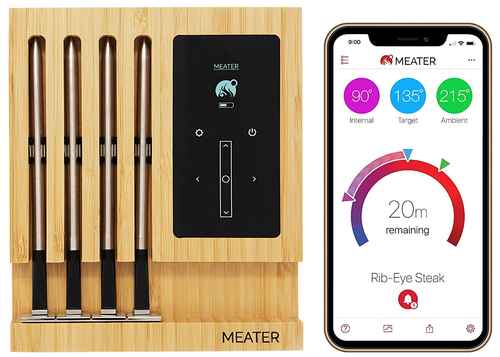
It’s crucial to use a meat thermometer to monitor internal temperature. Reheat until the internal temperature reaches around 155-165°F (68-74°C). This ensures the brisket is hot enough to enjoy safely without overcooking.
How To Reheat Whole Brisket In Oven
Reheating brisket is a delicate process that benefits from a structured approach:
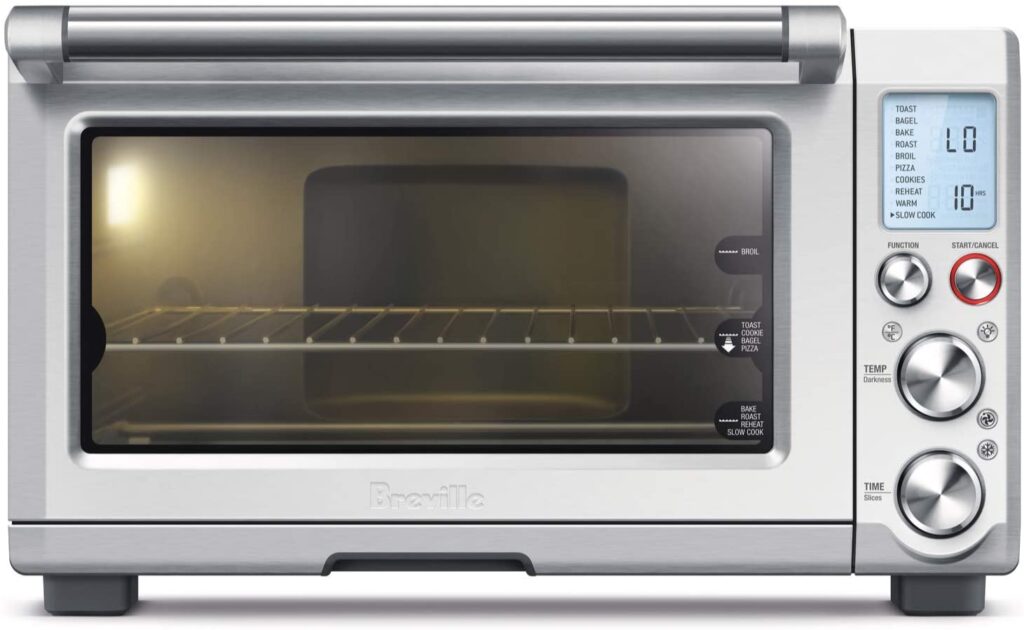
- Preheat the Oven: Set your oven to 250-275°F (121-135°C).
- Prepare the Brisket: Remove the brisket from refrigeration and let it sit at room temperature for 20-30 minutes. This reduces thermal shock and promotes even heating.
- Wrap the Brisket: Use aluminum foil or a covered baking dish. Adding a splash of beef broth or water before sealing helps maintain moisture.
- Reheat Slowly: Place the brisket in the oven, ensuring it is evenly surrounded by heat.
- Check Temperature: Begin checking internal temperature after 1.5 hours for smaller briskets and 2 hours for larger ones. Target 155-165°F (68-74°C).
- Rest Before Serving: Once reheated, let the brisket rest for 10-15 minutes before slicing. This allows juices to redistribute.
When Not To Reheat Whole Brisket In The Oven
While the oven is generally a safe reheating method, certain situations call for caution:
- Extensively previously reheated brisket: Multiple reheatings amplify dryness risk.
- Brisket already extremely dry or overcooked: The oven will not restore lost moisture.
- Thinly sliced or chopped brisket: Oven reheating may overcook these pieces quickly; consider stovetop or sous vide methods instead.
Knowing when not to use the oven prevents further damage to the meat’s flavor and texture.
Reheating Whole Brisket More Than Once
Reheating brisket multiple times is generally discouraged. Each reheating cycle:
- Increases the risk of moisture loss.
- Alters texture, making the brisket tougher.
- Intensifies flavor loss.
If multiple reheatings are necessary, consider slicing the brisket into portions and reheating only what you need. Storing the remaining slices separately allows for gentler, more controlled reheating.
What If I Use A Different Oven Temperature?
- Higher than 300°F (149°C): Brisket heats faster but risks drying out and forming a crust that may be overly tough.
- Lower than 250°F (121°C): Slower heating may preserve moisture better, but internal temperature may take a long time to reach safe serving levels, increasing the risk of bacterial growth if reheated too slowly.
Temperature adjustments should be compensated with careful timing and moisture management.
What If I Use A Different Oven Cook Time?
- Shorter time: The brisket may remain cold in the center. Ensure internal temperature reaches at least 155°F (68°C) for safety.
- Longer time: Without sufficient moisture, prolonged exposure to heat will dry out the meat. Wrapping in foil and adding a small amount of liquid mitigates this risk.
Time and temperature adjustments are intertwined-modifying one requires careful consideration of the other.
Best Ways To Reheat Whole Brisket
While the oven is optimal for whole briskets, other methods exist:
- Sous Vide: Ideal for preserving moisture and tenderness; heat vacuum-sealed brisket at 140°F (60°C) for 1-2 hours.
- Slow Cooker: Low setting with a splash of broth for 2-3 hours. Excellent for larger cuts.
- Stovetop Steam: For sliced brisket, gently steam over simmering water for 10-20 minutes, preserving moisture.
Each method has trade-offs in convenience, texture, and flavor retention.
Tips For Optimal Reheating Results
- Add Moisture: Beef broth, pan drippings, or water prevent dryness.
- Wrap Tightly: Foil or a covered dish ensures even heating.
- Monitor Internal Temperature: Use a probe thermometer for accuracy.
- Allow Rest Time: Redistributes juices, enhancing tenderness.
- Avoid Multiple Reheatings: Reheat only what you intend to serve.
- Slicing Last: Slice after reheating to prevent juices from escaping prematurely.
FAQs
What Is The Best Way To Reheat A Whole Brisket In The Oven?
The best way to reheat a whole brisket in the oven is by preheating your oven to 300°F (150°C). Place the brisket on a baking sheet or in a roasting pan and cover it with aluminum foil to prevent it from drying out. Reheat for 1.5 to 2 hours, depending on the size of the brisket, until it reaches an internal temperature of 165°F (74°C).
How Do I Keep My Brisket Moist When Reheating It?
To keep the brisket moist during reheating, add some beef broth, stock, or a mixture of water and apple cider vinegar to the pan. Cover the brisket tightly with foil to trap steam and maintain moisture. Reheating at a low temperature (around 300°F or 150°C) also helps prevent the meat from drying out.
Can I Reheat A Whole Brisket Without Foil?
While it is possible to reheat a brisket without foil, it is not recommended as it can dry out the meat. Foil helps lock in moisture and prevents the brisket from losing its tenderness. If you choose not to use foil, you can regularly baste the brisket with liquid to retain moisture.
How Long Should I Reheat A Brisket In The Oven?
The reheating time depends on the size and thickness of the brisket. Generally, it takes about 1.5 to 2 hours at 300°F (150°C) for a whole brisket. It’s essential to check the internal temperature to ensure it’s heated through to 165°F (74°C).
Should I Slice The Brisket Before Reheating It?
It is best to reheat the whole brisket without slicing it. Slicing the brisket before reheating can cause it to dry out as the exposed surface area increases. Reheat the whole brisket and slice it once it’s fully heated.
Can I Reheat A Frozen Whole Brisket In The Oven?
Yes, you can reheat a frozen brisket in the oven, but it will take significantly longer. Preheat your oven to 300°F (150°C) and place the frozen brisket in a roasting pan, covered with foil. Reheat for 3 to 4 hours or until it reaches an internal temperature of 165°F (74°C). It’s recommended to thaw the brisket overnight in the refrigerator for best results.
Do I Need To Add Liquid When Reheating Brisket In The Oven?
Yes, adding liquid helps to maintain the moisture and tenderness of the brisket. You can use beef broth, stock, or even a mixture of water and vinegar. Pour the liquid into the bottom of the roasting pan, then cover the brisket with foil to trap steam and ensure even reheating.
What Is The Best Way To Store Leftover Brisket Before Reheating?
To store leftover brisket, wrap it tightly in plastic wrap or foil and place it in an airtight container. Refrigerate it for up to 3-4 days. For longer storage, freeze the brisket by wrapping it well in foil or a vacuum-sealed bag. Ensure that it’s fully cooled before storing.
Can I Reheat Brisket At A Higher Temperature To Save Time?
Reheating brisket at a higher temperature is not recommended as it can cause the meat to dry out. It’s better to reheat brisket slowly at a low temperature (around 300°F or 150°C) to preserve its tenderness and moisture.
How Do I Know When My Brisket Is Properly Reheated?
The brisket is properly reheated when it reaches an internal temperature of 165°F (74°C) as measured by a meat thermometer. The meat should feel tender and moist when sliced. If it’s too tough, it may need more time in the oven.