
How To Reheat Roast Pork In Oven [FULL GUIDE]
Reheating roast pork is an art that, when done correctly, can transform leftovers into a succulent, tender, and flavorful dish that rivals the original meal. Unlike other meats, pork is prone to drying out quickly if subjected to high heat or prolonged cooking, making the reheating process critical. Whether you’re enjoying roast pork from a festive feast, a weekend meal, or a simple family dinner, understanding the optimal techniques ensures that the meat retains its juiciness, texture, and aroma. The oven is often the preferred method for reheating because it allows for even warming, gentle heat penetration, and the preservation of the pork’s natural flavors and crispy edges. However, achieving perfect results requires attention to temperature, cooking time, and technique-missteps can lead to dry, tough, or unevenly heated meat. In this guide, we will explore the precise methods, temperatures, and tips for reheating roast pork in the oven to achieve mouthwatering results every time.
Contents
- 1 Best Temperature To Reheat Roast Pork In Oven
- 2 Best Cooking Time To Reheat Roast Pork In Oven
- 3 How To Reheat Roast Pork In Oven
- 4 When Not To Reheat Roast Pork In The Oven
- 5 Reheating Roast Pork More Than Once
- 6 What If I Use A Different Oven Temperature?
- 7 What If I Use A Different Oven Cook Time?
- 8 Best Ways To Reheat Roast Pork
- 9 Tips For Optimal Reheating Results
- 10 FAQs
- 10.1 What Is The Best Temperature To Reheat Roast Pork In The Oven?
- 10.2 How Long Does It Take To Reheat Roast Pork In The Oven?
- 10.3 Should I Cover Roast Pork When Reheating In The Oven?
- 10.4 Can I Reheat Roast Pork From Frozen In The Oven?
- 10.5 How Can I Prevent Roast Pork From Drying Out While Reheating?
- 10.6 Is It Safe To Reheat Roast Pork Multiple Times?
- 10.7 Do I Need To Check The Internal Temperature When Reheating Roast Pork?
- 10.8 Can I Add Seasoning Or Glaze When Reheating Roast Pork?
- 10.9 Is It Better To Slice Roast Pork Before Or After Reheating?
- 10.10 Can I Reheat Roast Pork In A Convection Oven?
Best Temperature To Reheat Roast Pork In Oven
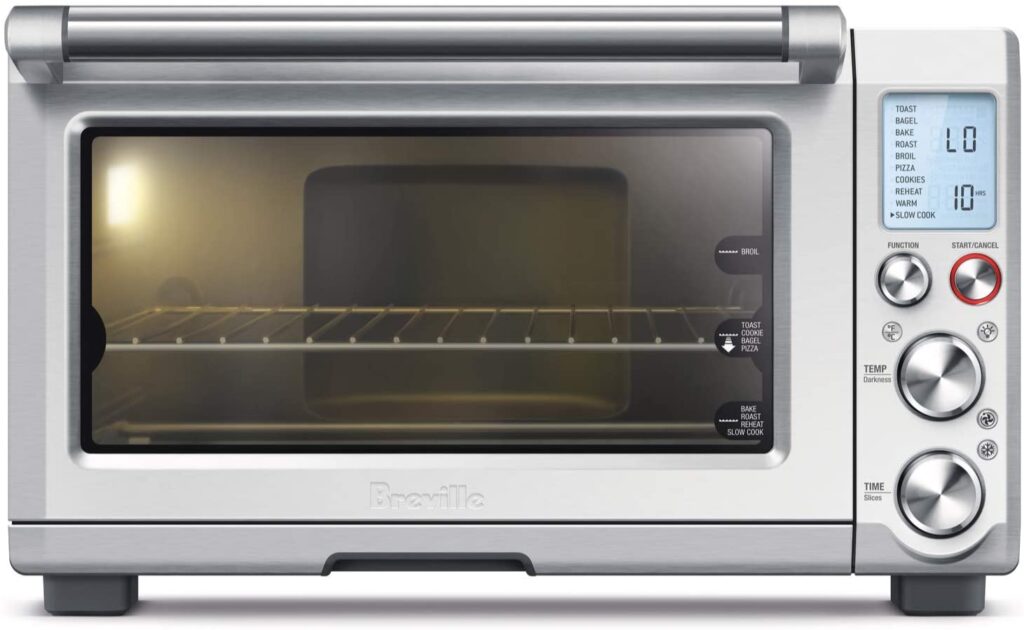
The key to perfectly reheated roast pork is controlling the oven temperature. The ideal range is typically 250°F to 325°F (120°C to 160°C). Temperatures below 250°F risk prolonged warming that could dry the pork, while temperatures above 325°F can overcook the outer layers before the center is fully heated.
For tender, juicy slices, a low and slow approach at 250°F-275°F (120°C-135°C) is recommended. This temperature gently warms the pork, allowing residual moisture to redistribute without evaporating. If you prefer a slightly crisper exterior, especially for pork with a rind or crackling, setting the oven at 300°F-325°F (150°C-160°C) can help achieve a lightly crispy surface while still keeping the interior moist.
Always preheat your oven to ensure even heating. A preheated oven prevents the pork from sitting at a suboptimal temperature, which can lead to uneven warming and toughness in the meat.
Best Cooking Time To Reheat Roast Pork In Oven
The cooking time depends on the thickness and quantity of the pork being reheated. As a general rule:
- Thin slices or small portions: 10-15 minutes at 275°F (135°C).
- Medium cuts (1-2 inches thick): 15-25 minutes at 275°F (135°C).
- Large roasts (over 2 pounds): 30-45 minutes at 275°F (135°C).
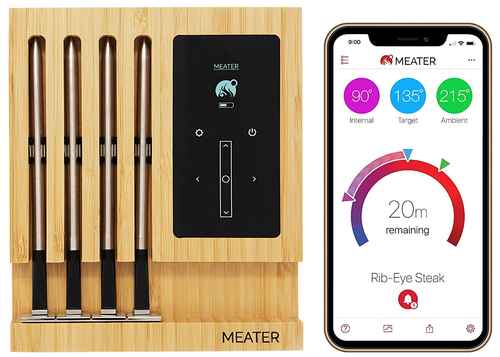
Always check the internal temperature using a meat thermometer. The pork should reach an internal temperature of 140°F-145°F (60°C-63°C) for safe consumption while remaining juicy. Avoid overheating beyond 160°F (71°C), as this can make the meat dry and tough.
A useful tip is to tent the pork loosely with aluminum foil during reheating. This traps steam, preventing moisture loss while allowing heat to penetrate evenly.
How To Reheat Roast Pork In Oven
Reheating roast pork properly involves several deliberate steps:
- Preheat the oven to 275°F (135°C) for slow reheating or 325°F (160°C) for a faster method.
- Prepare the pork by placing it in an oven-safe dish. If the pork has a rind, scoring it lightly can help heat penetrate evenly.
- Add moisture: A few tablespoons of stock, water, or a splash of apple juice can prevent dryness. Cover the dish loosely with aluminum foil.
- Reheat gently: Place the pork in the oven and monitor the internal temperature. Use a meat thermometer for accuracy.
- Optional crisping: If the pork has crackling or skin, remove the foil in the last 5-10 minutes and increase the oven temperature to 400°F (205°C) briefly to restore crispiness without overcooking the meat.
- Rest before serving: Allow the pork to rest for 5 minutes after removing it from the oven. This allows juices to redistribute, enhancing tenderness and flavor.
When Not To Reheat Roast Pork In The Oven
Reheating in the oven is not always suitable. Avoid using this method if:
- The pork has already been reheated once and is nearing the end of its safe storage time. Multiple reheatings can compromise both safety and quality.
- The cut is extremely thin, as oven heat may overcook it rapidly.
- You are in a hurry and require fast warming; in such cases, stove-top methods or microwave reheating may be more appropriate, though careful technique is needed to avoid drying out the meat.
Additionally, pork that has been frozen and thawed multiple times may not withstand oven reheating well without becoming dry.
Reheating Roast Pork More Than Once
Reheating pork multiple times is not recommended for both safety and quality reasons. Each reheating cycle increases the risk of bacterial growth and degrades the meat’s texture and flavor. The USDA advises reheating leftovers only once to a safe internal temperature of 165°F (74°C) before consuming. If you anticipate needing to reheat pork more than once, consider reheating only the portion you plan to eat and leaving the rest refrigerated separately.
What If I Use A Different Oven Temperature?
Altering the oven temperature will affect both texture and reheating time:
- Lower temperature (below 250°F / 120°C): Slower reheating, more gentle on the meat, better moisture retention, but takes longer.
- Higher temperature (above 325°F / 160°C): Faster heating but higher risk of drying out the pork or burning the edges before the center is warmed.
Adjust the cooking time accordingly and monitor internal temperature to prevent overcooking.
What If I Use A Different Oven Cook Time?
Changing the cooking time without adjusting temperature can lead to undesirable results:
- Shorter time: The pork may remain cold in the center, leaving it unsafe or unpleasantly cool.
- Longer time: The meat risks drying out, especially at higher temperatures, and fat may over-render, leaving the pork tough.
Always use a thermometer to check doneness rather than relying solely on timing.
Best Ways To Reheat Roast Pork
The oven remains the most reliable method, but other options exist depending on circumstances:
- Oven (preferred): Even heating, moisture retention, optional crisping.
- Stovetop: Slice the pork, warm gently in a skillet with a splash of liquid, covered to trap steam.
- Microwave (least ideal): Quick, but prone to uneven heating and dryness; use low power and cover with a damp paper towel.
For maximum flavor, the oven method with foil covering is recommended, combined with occasional basting with stock or drippings.
Tips For Optimal Reheating Results
- Slice before reheating: Thinner portions warm more evenly.
- Add moisture: A little stock, water, or apple juice keeps meat tender.
- Cover loosely: Aluminum foil traps steam without creating sogginess.
- Use a thermometer: Ensures safe, perfect reheating.
- Rest before serving: Retains juices and improves texture.
- Crisping last: Remove foil and briefly broil or increase oven temperature for crackling.
FAQs
What Is The Best Temperature To Reheat Roast Pork In The Oven?
The ideal temperature to reheat roast pork is 325°F (165°C). This allows the meat to warm evenly without drying out or overcooking.
How Long Does It Take To Reheat Roast Pork In The Oven?
Reheating time depends on the size and thickness of the pork. Generally, small slices take 15-20 minutes, while larger cuts may require 25-35 minutes. Always check the internal temperature to ensure safety.
Should I Cover Roast Pork When Reheating In The Oven?
Yes, covering the pork with foil helps retain moisture and prevents the surface from drying out. For a slightly crispy exterior, uncover during the last 5 minutes of reheating.
Can I Reheat Roast Pork From Frozen In The Oven?
Yes, but it will take longer. Preheat the oven to 325°F (165°C) and cover the pork with foil. Reheat until the internal temperature reaches at least 165°F (74°C), which may take 40-60 minutes depending on the size.
How Can I Prevent Roast Pork From Drying Out While Reheating?
Moisture retention can be improved by adding a splash of broth, water, or apple juice to the roasting pan and covering the pork with foil. Reheating at a lower temperature also helps maintain juiciness.
Is It Safe To Reheat Roast Pork Multiple Times?
It is not recommended to reheat pork more than once, as repeated heating increases the risk of bacterial growth and can significantly affect taste and texture.
Do I Need To Check The Internal Temperature When Reheating Roast Pork?
Yes, always use a meat thermometer to ensure the internal temperature reaches at least 165°F (74°C) for food safety.
Can I Add Seasoning Or Glaze When Reheating Roast Pork?
Absolutely. Reheating is an excellent opportunity to enhance flavor with a glaze, herbs, or a light seasoning. Apply it before covering and placing in the oven.
Is It Better To Slice Roast Pork Before Or After Reheating?
Slicing after reheating helps retain moisture, especially for thicker cuts. If reheating thin slices, you can do so directly, but monitor closely to prevent overcooking.
Can I Reheat Roast Pork In A Convection Oven?
Yes, convection ovens reheat slightly faster due to circulating hot air. Reduce the temperature by 25°F (about 15°C) compared to a conventional oven and check frequently to avoid drying out the meat.