
How To Reheat Frozen Lasagna In Oven [FULL GUIDE]
Frozen lasagna is a convenient, hearty meal that many of us turn to when we need a comforting, home-cooked dish without the extensive preparation. Whether it’s a classic meat lasagna, a vegetarian variation, or a creamy chicken lasagna, freezing preserves its flavor and texture, allowing it to be enjoyed days or even weeks later. However, the key to making frozen lasagna taste as fresh as the day it was made lies in how it is reheated. Done incorrectly, the layers can become dry, the cheese can overcook, or the center may remain cold and undercooked. Reheating frozen lasagna in the oven is one of the best methods for achieving an even, flavorful result, but it requires careful attention to temperature, timing, and technique.
Contents
- 1 Best Temperature To Reheat Frozen Lasagna In Oven
- 2 Best Cooking Time To Reheat Frozen Lasagna In Oven
- 3 How To Reheat Frozen Lasagna In Oven
- 4 When Not To Reheat Frozen Lasagna In The Oven
- 5 Reheating Frozen Lasagna More Than Once
- 6 What If I Use A Different Oven Temperature?
- 7 What If I Use A Different Oven Cook Time?
- 8 Best Ways To Reheat Frozen Lasagna
- 9 Tips For Optimal Reheating Results
- 10 FAQs
- 10.1 What Is The Best Way To Reheat Frozen Lasagna In The Oven?
- 10.2 Do I Need To Thaw The Lasagna Before Reheating It In The Oven?
- 10.3 How Long Does It Take To Reheat Frozen Lasagna In The Oven?
- 10.4 Can I Bake Frozen Lasagna Without Covering It With Foil?
- 10.5 What Temperature Should I Set The Oven To When Reheating Frozen Lasagna?
- 10.6 How Can I Check If My Lasagna Is Heated All The Way Through?
- 10.7 Can I Reheat A Whole Lasagna, Or Should I Reheat Individual Slices?
- 10.8 Should I Add Extra Sauce When Reheating Frozen Lasagna?
- 10.9 Can I Reheat Frozen Lasagna In A Convection Oven?
- 10.10 What Should I Do If The Lasagna Is Not Heating Evenly In The Oven?
Best Temperature To Reheat Frozen Lasagna In Oven
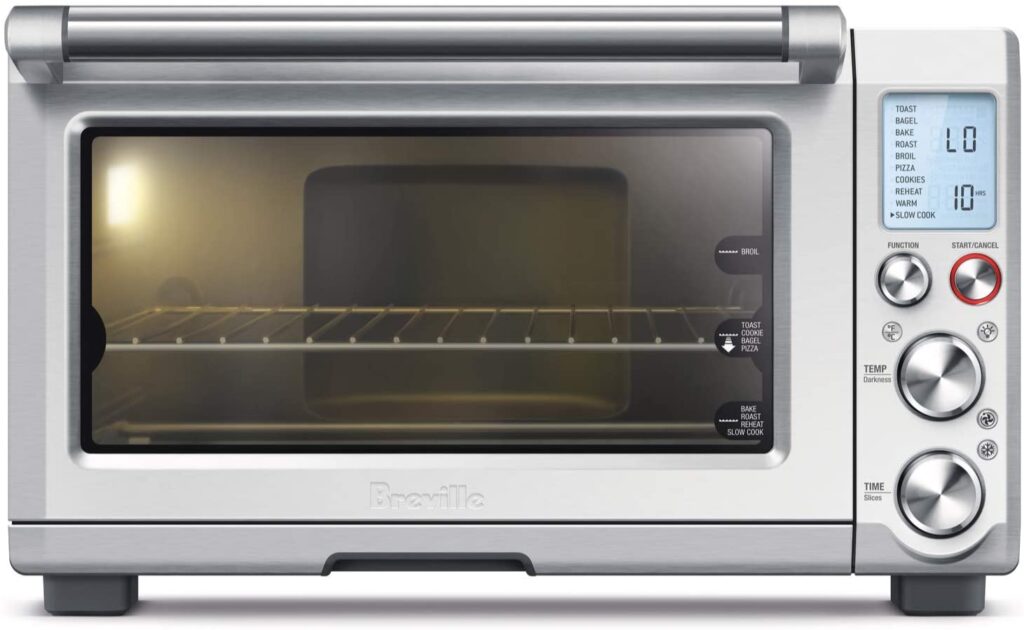
The ideal oven temperature is crucial for evenly warming frozen lasagna without compromising its texture. Generally, 350°F (175°C) is the recommended temperature. This moderate heat allows the lasagna to thaw gradually while heating thoroughly, preventing the edges from drying out or burning before the center is fully warm.
For lasagna that is thicker or contains a denser filling, some chefs suggest increasing the temperature slightly to 375°F (190°C), but caution is necessary, as higher temperatures can overcook the top layers while leaving the middle cold. Conversely, lower temperatures, like 325°F (160°C), are gentler but extend cooking time, which may lead to unnecessary moisture loss.
Best Cooking Time To Reheat Frozen Lasagna In Oven
Cooking time for frozen lasagna depends on its size and whether it is covered. For a standard 9×13-inch pan, the typical baking time is 60 to 90 minutes when reheating from frozen.
- Covered with foil: 60-75 minutes
- Uncovered: 75-90 minutes (or until the cheese is bubbly and golden)
Covering the lasagna with aluminum foil during the initial stage prevents the top from overbrowning while allowing the interior to heat evenly. Removing the foil during the last 10-15 minutes allows the cheese and sauce to achieve a desirable golden crust.
How To Reheat Frozen Lasagna In Oven
- Preheat the oven to 350°F (175°C).
- Remove packaging: If your lasagna is in plastic wrap or a non-oven-safe container, transfer it to a suitable baking dish.
- Cover the lasagna: Use aluminum foil to cover the dish, which traps moisture and prevents drying.
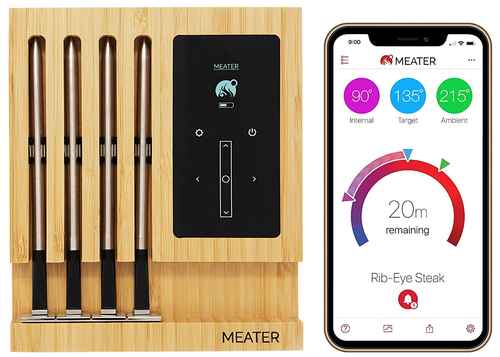
- Bake slowly: Place in the oven and bake for 60-75 minutes. Check the internal temperature using a food thermometer-it should reach 165°F (74°C) for safe consumption.
- Optional browning: Remove the foil during the last 10-15 minutes to allow the cheese on top to bubble and brown lightly.
- Rest before serving: Let the lasagna sit for 5-10 minutes after removing it from the oven. This helps the layers set and makes slicing easier.
When Not To Reheat Frozen Lasagna In The Oven
There are instances where reheating frozen lasagna in the oven is not advisable:
- If previously thawed and refrozen: Repeated freezing and thawing can compromise the texture and safety of the lasagna.
- If the lasagna shows signs of spoilage: Mold, off smells, or a slimy texture indicate it’s unsafe to eat.
- If in single-serving containers unsuitable for oven use: Certain plastic trays can melt or release toxins when exposed to high heat.
In these cases, alternative methods like microwave reheating or skipping the dish entirely are safer.
Reheating Frozen Lasagna More Than Once
Reheating lasagna multiple times is generally discouraged due to both food safety and quality concerns. Each reheating cycle increases the risk of bacterial growth if the temperature does not consistently reach 165°F (74°C). Furthermore, repeated reheating can dry out the noodles, overcook the sauce, and make the cheese rubbery.
If you plan to store leftovers after the first reheating, it is better to divide the lasagna into single-serving portions before freezing. This allows for reheating only what you need without repeatedly subjecting the entire dish to heat.
What If I Use A Different Oven Temperature?
Using a temperature higher than 350°F can speed up cooking but risks drying out the lasagna and burning the top before the center is heated through. Lower temperatures extend cooking time, which can make the noodles overly soft and the sauce watery if not carefully monitored. Adjustments in temperature should always be paired with careful monitoring of internal temperature and visual cues like bubbling sauce and melted cheese.
What If I Use A Different Oven Cook Time?
Altering cook time without adjusting temperature can lead to uneven heating:
- Shorter time: The lasagna may remain cold in the center while the edges overcook.
- Longer time: Risk of drying out and toughening the noodles.
A safe approach is to use a food thermometer to confirm the internal temperature reaches 165°F (74°C) rather than relying solely on time.
Best Ways To Reheat Frozen Lasagna
Aside from the conventional oven method, alternative techniques include:
- Microwave: Quick and convenient, best for single servings. Use a microwave-safe dish, cover to retain moisture, and stir halfway if possible.
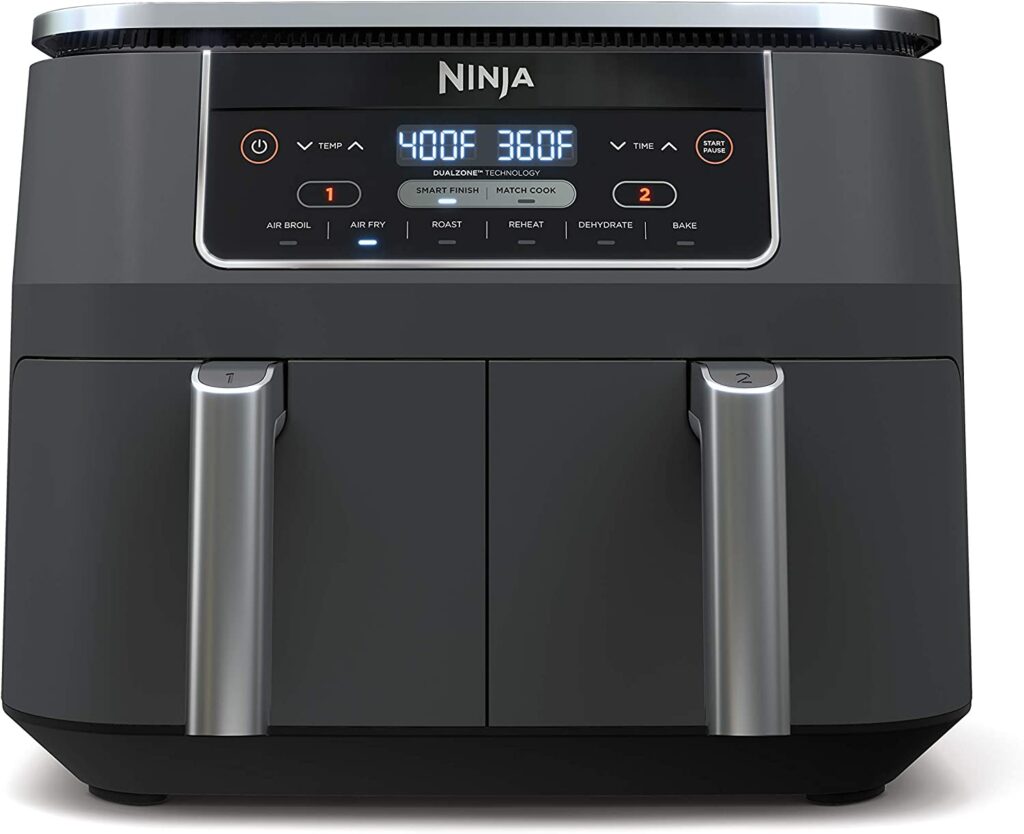
- Air fryer: Suitable for smaller portions; use lower temperatures to avoid burning the top.
- Convection oven: Circulates heat more evenly, which may reduce cooking time slightly.
The oven remains the most reliable method for preserving texture, layers, and flavor.
Tips For Optimal Reheating Results
- Cover with foil: Prevents drying and allows the lasagna to heat evenly.
- Check internal temperature: Ensures food safety and avoids undercooked layers.
- Rest after baking: Makes cutting and serving easier.
- Add a splash of sauce: Helps maintain moisture if the lasagna has been frozen for a long time.
- Avoid overloading the oven: Ensure even heat distribution.
- Use an oven thermometer: Guarantees accuracy, as many ovens run hotter or cooler than indicated.
FAQs
What Is The Best Way To Reheat Frozen Lasagna In The Oven?
The best way to reheat frozen lasagna in the oven is to preheat the oven to 375°F (190°C). Cover the lasagna with aluminum foil to prevent it from drying out. Bake for 45 minutes to 1 hour, or until it reaches an internal temperature of 165°F (74°C). Remove the foil during the last 10 minutes of cooking to allow the top to become golden and bubbly.
Do I Need To Thaw The Lasagna Before Reheating It In The Oven?
No, you do not need to thaw the lasagna before reheating it in the oven. It can be reheated directly from frozen. However, if you prefer, you can thaw it in the refrigerator overnight for a quicker reheating process.
How Long Does It Take To Reheat Frozen Lasagna In The Oven?
Reheating frozen lasagna typically takes 45 minutes to 1 hour at 375°F (190°C) when covered with aluminum foil. The exact time may vary depending on the size of the lasagna and your oven’s efficiency.
Can I Bake Frozen Lasagna Without Covering It With Foil?
It is recommended to cover the lasagna with foil when reheating it to retain moisture and heat it evenly. However, you can remove the foil in the last 10 minutes to allow the top to brown and become crispy.
What Temperature Should I Set The Oven To When Reheating Frozen Lasagna?
Set the oven to 375°F (190°C) to reheat frozen lasagna. This temperature ensures that the lasagna reheats thoroughly without drying out.
How Can I Check If My Lasagna Is Heated All The Way Through?
To check if the lasagna is fully heated, use a food thermometer to ensure the internal temperature reaches 165°F (74°C). You can also insert a fork or knife into the center and ensure the lasagna is hot to the touch.
Can I Reheat A Whole Lasagna, Or Should I Reheat Individual Slices?
You can reheat a whole lasagna or individual slices in the oven. Reheating the entire lasagna takes longer, whereas reheating slices will be quicker. If reheating slices, bake at the same temperature, but only for 15-20 minutes.
Should I Add Extra Sauce When Reheating Frozen Lasagna?
If the lasagna appears dry, you can add a small amount of sauce before reheating it. This helps to maintain moisture, especially if it has been frozen for an extended period.
Can I Reheat Frozen Lasagna In A Convection Oven?
Yes, you can reheat frozen lasagna in a convection oven. Set the temperature to 350°F (175°C) and bake for 30-45 minutes. The convection oven will circulate hot air, allowing the lasagna to heat more evenly and slightly faster.
What Should I Do If The Lasagna Is Not Heating Evenly In The Oven?
If your lasagna is not heating evenly, you can cover it with foil, rotate the dish halfway through cooking, and check the internal temperature. This ensures that all parts of the lasagna heat properly.