
How To Boil Eggs In Slow Cooker [GUIDE]
Boiling eggs is one of the simplest culinary tasks, yet achieving consistent results can sometimes be surprisingly tricky. Traditional stovetop methods often result in cracked shells, unevenly cooked yolks, or eggs that are too hard or too soft. Enter the slow cooker-a versatile kitchen tool most commonly reserved for soups, stews, and braises. Using a slow cooker to boil eggs offers a hands-off approach, freeing you from the constant monitoring required with conventional methods. With minimal effort, you can achieve perfectly cooked eggs, whether soft, medium, or hard-boiled, with a creamy yolk and smooth, easy-to-peel shell. This method is especially advantageous when preparing large batches for meal prep, parties, or family breakfasts.
Contents
- 1 How Long To Boil Eggs In Slow Cooker
- 2 How To Tell If It Is Done
- 3 Ingredients Needed
- 4 How To Boil Eggs In Slow Cooker
- 5 When Things Go Wrong
- 6 Expert Tips
- 7 Can I Do This Without A Slow Cooker?
- 8 Reheating Leftovers In Slow Cooker
- 9 FAQs
- 9.1 Can You Boil Eggs In A Slow Cooker?
- 9.2 How Long Does It Take To Boil Eggs In A Slow Cooker?
- 9.3 Do You Need To Add Water To Boil Eggs In A Slow Cooker?
- 9.4 Should Eggs Be At Room Temperature Before Slow Cooking?
- 9.5 How Many Eggs Can You Boil In A Slow Cooker At Once?
- 9.6 How Do You Prevent Eggs From Cracking In A Slow Cooker?
- 9.7 Can You Make Soft-boiled Eggs In A Slow Cooker?
- 9.8 Do Slow Cooker Boiled Eggs Need To Be Shocked In Cold Water?
- 9.9 Is There A Difference In Taste Or Texture Compared To Stovetop Boiled Eggs?
- 9.10 Can You Store Slow Cooker Boiled Eggs Like Regular Boiled Eggs?
How Long To Boil Eggs In Slow Cooker
The cooking time for eggs in a slow cooker depends on several factors, including the type of slow cooker, the number of eggs, and the desired yolk consistency. While slow cookers operate at relatively low and steady temperatures, it’s important to consider that the eggs are not in direct contact with the heating element, meaning the cooking process is gentler and more uniform than stovetop boiling.
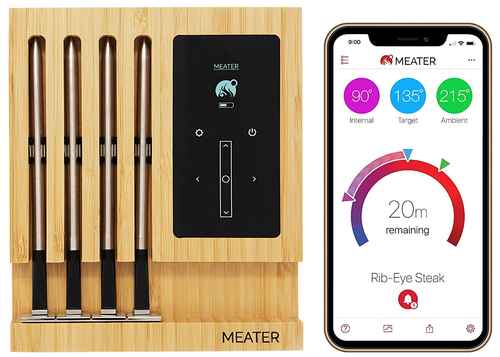
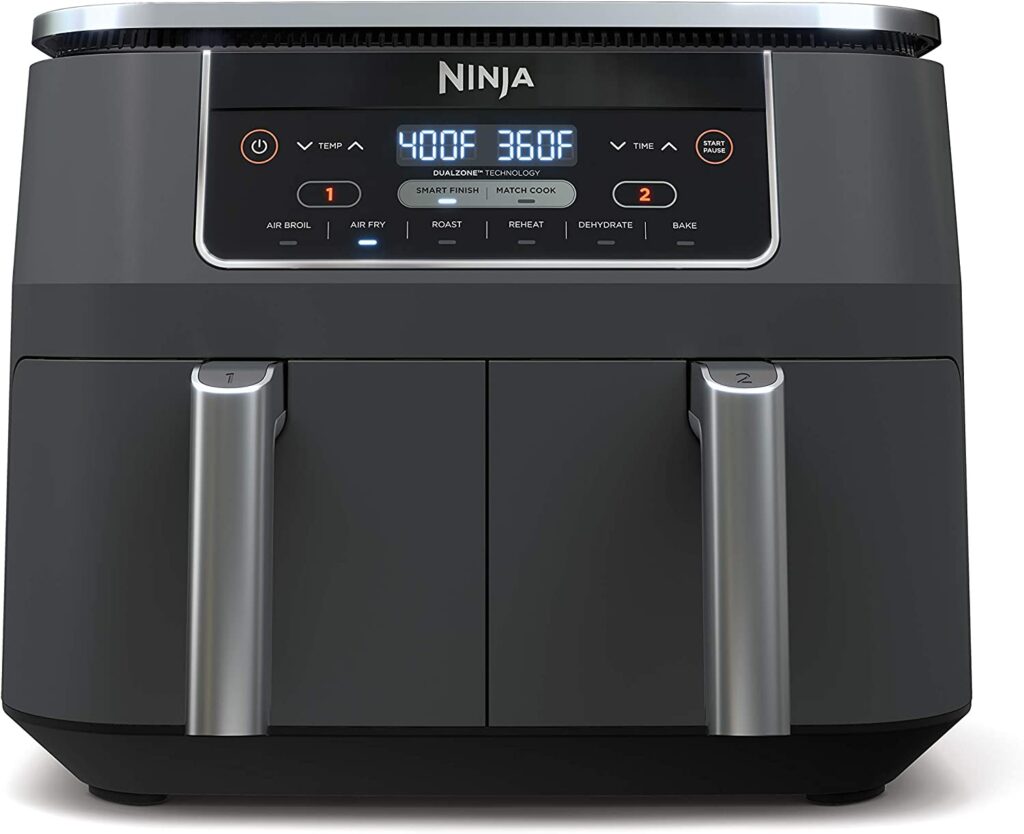
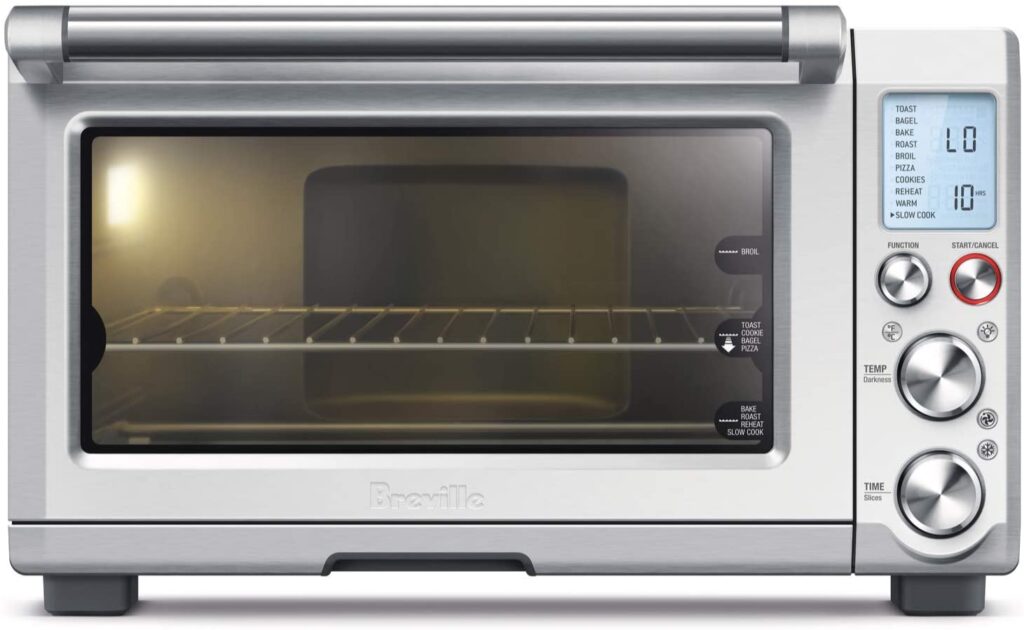
Here is a general guideline:
- Soft-boiled eggs: Cook on low heat for 1 hour to 1 hour 15 minutes. The whites should be set, while the yolk remains slightly runny.
- Medium-boiled eggs: Cook on low heat for 1 hour 30 minutes. You will notice a firmer yolk that is still creamy in texture.
- Hard-boiled eggs: Cook on low heat for 2 to 2.5 hours. The yolk should be fully set, with a tender, crumbly texture but without a greenish ring.
Tip: If your slow cooker tends to run hot, check the eggs at the lower end of these time ranges to avoid overcooking.
How To Tell If It Is Done
Determining whether slow-cooked eggs are done is a combination of timing and observation. Unlike stovetop boiling, where you can remove an egg after a fixed time and immediately cool it in ice water, slow cooker eggs require a bit of patience. Here are reliable indicators:
- Consistency of the yolk: Once peeled, gently slice an egg in half. The yolk of a soft-boiled egg should be slightly runny but not liquid, medium should be creamy and slightly firm, and hard should be solid and dry.
- Egg texture: The whites should be fully opaque and firm but tender. Overcooked eggs will have rubbery whites and chalky yolks.
- Peeling test: A slow-cooked egg that peels easily often indicates correct cooking, as overcooked eggs may stick to the shell.
Ingredients Needed
One of the beauties of slow-cooker eggs is their simplicity. You need very little:
- Eggs – as many as your slow cooker can comfortably hold in a single layer.
- Water – enough to cover the eggs by at least an inch or two, depending on slow cooker size.
- Optional ice bath – to halt cooking and make peeling easier.
Optional flavor boosters (though not required for plain boiled eggs):
- A pinch of salt in the water to prevent cracking.
- A splash of vinegar to aid peeling in older eggs.
How To Boil Eggs In Slow Cooker
- Arrange the eggs: Place your eggs gently in a single layer in the slow cooker. Avoid stacking to prevent cracking during cooking.
- Add water: Pour in cold water until the eggs are covered by about an inch.
- Cook on low: Set your slow cooker to low heat and cover with the lid.
- Monitor time: Refer to the cooking times above depending on your desired doneness.
- Cool the eggs: Once cooking is complete, immediately transfer the eggs to an ice bath or cold water for at least 5-10 minutes. This stops the cooking process and makes peeling easier.
- Peel and serve: Gently tap the egg on a hard surface and roll to crack, then peel under running water for best results.
When Things Go Wrong
Even with a slow cooker, issues can arise:
- Cracked eggs: Caused by eggs bouncing or touching the sides of the slow cooker. Always lay eggs in a single layer and avoid stacking.
- Overcooked eggs: Can happen if the slow cooker is hotter than expected. Reduce cooking time or check early.
- Rubbery whites: Indicates prolonged cooking. Adjust heat or timing next time.
- Difficult peeling: Often due to very fresh eggs. Slightly older eggs (7-10 days) peel more easily. Adding vinegar to the water can also help.
Expert Tips
- Use room temperature eggs for even cooking; cold eggs from the fridge may crack when placed in hot water.
- Always cover eggs with water-exposed eggs cook unevenly.
- If cooking a large batch, rotate eggs midway for uniform doneness.
- Consider a slow cooker liner for easy cleanup if any water spills over.
- Experiment with high vs. low heat if your slow cooker runs hot or slow; low heat is generally safer for gentle, even cooking.
Can I Do This Without A Slow Cooker?
Absolutely. If you don’t have a slow cooker, you can simulate the process using:
- Instant pot/pressure cooker: Use the steam or manual mode with trivet placement.
- Oven method: Place eggs in an oven-safe dish, cover with water, and bake at 170-180°C (340-356°F) until desired doneness.
- Stovetop method: Traditional boiling or simmering works fine, but you must monitor closely to avoid cracking or overcooking.
The slow cooker method is uniquely convenient for hands-off, batch cooking.
Reheating Leftovers In Slow Cooker
Reheating boiled eggs in a slow cooker is possible but must be done carefully:
- Place peeled or unpeeled eggs in the slow cooker.
- Add enough water to cover them.
- Heat on low for 20-30 minutes until warmed through.
- Avoid high heat, as it may overcook the yolks and create a rubbery texture.
This method works well for meal prep when you want eggs ready without reheating in a microwave.
FAQs
Can You Boil Eggs In A Slow Cooker?
Yes, you can boil eggs in a slow cooker. The slow cooker provides a low, consistent heat that allows eggs to cook evenly without constant monitoring. This method is convenient if you want to cook a large batch of eggs at once.
How Long Does It Take To Boil Eggs In A Slow Cooker?
The cooking time depends on the heat setting and desired doneness. On high heat, eggs typically take 2 to 2.5 hours, while on low heat, they may take 3 to 4 hours. Timing can vary slightly depending on the slow cooker model and the number of eggs.
Do You Need To Add Water To Boil Eggs In A Slow Cooker?
Yes, adding water is important. Fill the slow cooker with enough water to cover the eggs by at least an inch. This ensures even cooking and prevents the eggs from drying out or cracking.
Should Eggs Be At Room Temperature Before Slow Cooking?
It is recommended to use eggs at room temperature to reduce the risk of cracking. Cold eggs placed directly into hot water may crack due to sudden temperature changes.
How Many Eggs Can You Boil In A Slow Cooker At Once?
The number of eggs depends on the size of your slow cooker. Generally, a standard 6-quart slow cooker can hold 12 to 18 eggs comfortably, ensuring they are fully submerged in water and not stacked on top of each other.
How Do You Prevent Eggs From Cracking In A Slow Cooker?
To prevent cracking, place eggs gently in the slow cooker using a spoon, ensure water covers the eggs, avoid overcrowding, and start with room temperature eggs. Some people also add a teaspoon of salt to the water to reduce cracking.
Can You Make Soft-boiled Eggs In A Slow Cooker?
Yes, soft-boiled eggs can be made in a slow cooker, but precise timing is crucial. Generally, cooking on high for about 1.5 to 2 hours will yield soft-boiled eggs. Testing with a single egg first is recommended.
Do Slow Cooker Boiled Eggs Need To Be Shocked In Cold Water?
Yes, after cooking, it is recommended to place eggs in an ice water bath or under cold running water for 5 to 10 minutes. This stops the cooking process, makes peeling easier, and prevents a greenish yolk from forming.
Is There A Difference In Taste Or Texture Compared To Stovetop Boiled Eggs?
Slow cooker boiled eggs tend to have a slightly different texture, often creamier yolks and more tender whites. The taste is similar, but the slow, gentle heat reduces the risk of overcooking.
Can You Store Slow Cooker Boiled Eggs Like Regular Boiled Eggs?
Yes, once cooled, slow cooker boiled eggs can be stored in the refrigerator for up to one week, just like traditionally boiled eggs. Keep them in a covered container to maintain freshness.