
How To Cook 1kg Chicken Thighs In Slow Cooker [GUIDE]
Chicken thighs are a versatile and flavorful cut of poultry, celebrated for their juicy texture and rich taste. Unlike chicken breasts, which can easily dry out, thighs retain moisture even during extended cooking, making them ideal for slow cooking. Using a slow cooker transforms this humble ingredient into a dish brimming with tenderness and depth of flavor, all without demanding constant attention. The beauty of slow cooking is that it allows the natural juices and any added seasonings to meld together over time, resulting in succulent meat that practically falls off the bone. Whether you are preparing a weeknight dinner or hosting a casual gathering, mastering the art of slow cooker chicken thighs ensures a comforting, reliable, and delicious meal.
Contents
- 1 How Long To Cook 1kg Chicken Thighs In Slow Cooker
- 2 How To Tell If It Is Done
- 3 Ingredients Needed
- 4 How To Cook 1kg Chicken Thighs In Slow Cooker
- 5 When Things Go Wrong
- 6 Expert Tips
- 7 Can I Do This Without A Slow Cooker?
- 8 Reheating Leftovers In Slow Cooker
- 9 FAQs
- 9.1 How Long Should I Cook 1kg Of Chicken Thighs In A Slow Cooker?
- 9.2 Should I Remove The Skin From Chicken Thighs Before Slow Cooking?
- 9.3 Do I Need To Sear Chicken Thighs Before Adding Them To The Slow Cooker?
- 9.4 Can I Cook Frozen Chicken Thighs In A Slow Cooker?
- 9.5 How Much Liquid Should I Add When Cooking Chicken Thighs In A Slow Cooker?
- 9.6 What Herbs And Spices Work Best With Chicken Thighs In A Slow Cooker?
- 9.7 Can I Cook Vegetables With Chicken Thighs In The Slow Cooker?
- 9.8 How Do I Prevent Chicken Thighs From Drying Out In The Slow Cooker?
- 9.9 Can I Use A Slow Cooker Liner When Cooking Chicken Thighs?
- 9.10 How Can I Tell When Chicken Thighs Are Fully Cooked In A Slow Cooker?
How Long To Cook 1kg Chicken Thighs In Slow Cooker
Cooking time is critical to achieving perfectly tender chicken thighs. For 1kg of chicken thighs (roughly 8-10 pieces depending on size), the general guideline in a standard slow cooker is:
- Low setting: 6-7 hours
- High setting: 3-4 hours
Keep in mind that these times may vary slightly depending on your slow cooker’s size, efficiency, and whether the chicken is bone-in or boneless. Bone-in thighs generally take a little longer because the bone retains heat and affects overall cooking time. Slow cooking on a low setting is usually preferred as it allows the flavors to develop more fully and ensures a more uniformly tender result.
How To Tell If It Is Done
Ensuring that chicken thighs are fully cooked is essential for both taste and food safety. Chicken should reach an internal temperature of 75°C (165°F) at the thickest part of the meat. The most reliable ways to check include:
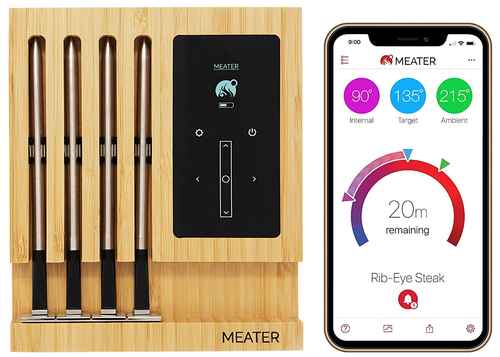
- Using a meat thermometer: Insert into the thickest part of the thigh, avoiding the bone.
- Visual inspection: The meat should be opaque throughout, with no traces of pink. Juices should run clear.
- Texture check: Gently pull apart with a fork; the meat should shred easily without resistance.
Avoid relying solely on cooking time, as variations in slow cooker performance and thigh size can affect doneness.
Ingredients Needed
To prepare 1kg of chicken thighs in a slow cooker, you will need:
- 1kg chicken thighs (bone-in or boneless, skin-on or skinless)
- 1-2 tablespoons olive oil or vegetable oil
- 1 onion, finely chopped
- 3-4 garlic cloves, minced
- 1 cup chicken stock or broth
- 1 teaspoon paprika
- 1 teaspoon dried thyme or rosemary (or fresh sprigs)
- Salt and pepper to taste
- Optional flavor additions: lemon slices, soy sauce, honey, or smoked paprika for variation
These ingredients provide a balance of aroma, moisture, and seasoning, allowing the natural flavors of the chicken to shine while enhancing them with complementary notes.
How To Cook 1kg Chicken Thighs In Slow Cooker
- Prepare the chicken: Rinse and pat dry your chicken thighs. Season generously with salt, pepper, and your choice of herbs and spices.
- Optional searing: Heat oil in a skillet and brown the chicken thighs for 2-3 minutes per side. This step is not mandatory but adds depth of flavor and color.
- Layer in the slow cooker: Place chopped onions and garlic at the bottom of the slow cooker. Arrange chicken thighs on top.
- Add liquid: Pour chicken stock or other chosen liquid over the meat. This ensures the chicken remains moist and infuses flavor during cooking.
- Cook: Set the slow cooker to low for 6-7 hours or high for 3-4 hours. Cover with the lid and resist opening during cooking to prevent heat loss.
- Finish: Remove chicken from the slow cooker and let it rest for 5 minutes before serving. Optionally, skim fat from the liquid to make a light sauce.
When Things Go Wrong
Even with a slow cooker, mistakes can happen:
- Dry or tough chicken: Usually caused by overcooking or cooking on high too long. Solution: use low heat and check doneness early.
- Undercooked meat: Often due to insufficient cooking time or overcrowding the slow cooker. Ensure thighs are spaced evenly and internal temperature reaches 75°C.
- Soggy texture: Excess liquid can dilute flavor. Reduce added liquid or allow the slow cooker to cook uncovered for the last 30 minutes to thicken.
Expert Tips
- Brown for flavor: Searing chicken before slow cooking enhances the Maillard reaction, adding richness to your dish.
- Use fresh herbs late: Adding delicate herbs like parsley or basil during the last 30 minutes preserves their aroma.
- Layer flavors: Place onions, garlic, and aromatics at the bottom so they infuse the chicken from below.
- Bone-in vs. boneless: Bone-in thighs are more forgiving and remain juicier, but boneless thighs cook faster and are easier to shred.
Can I Do This Without A Slow Cooker?
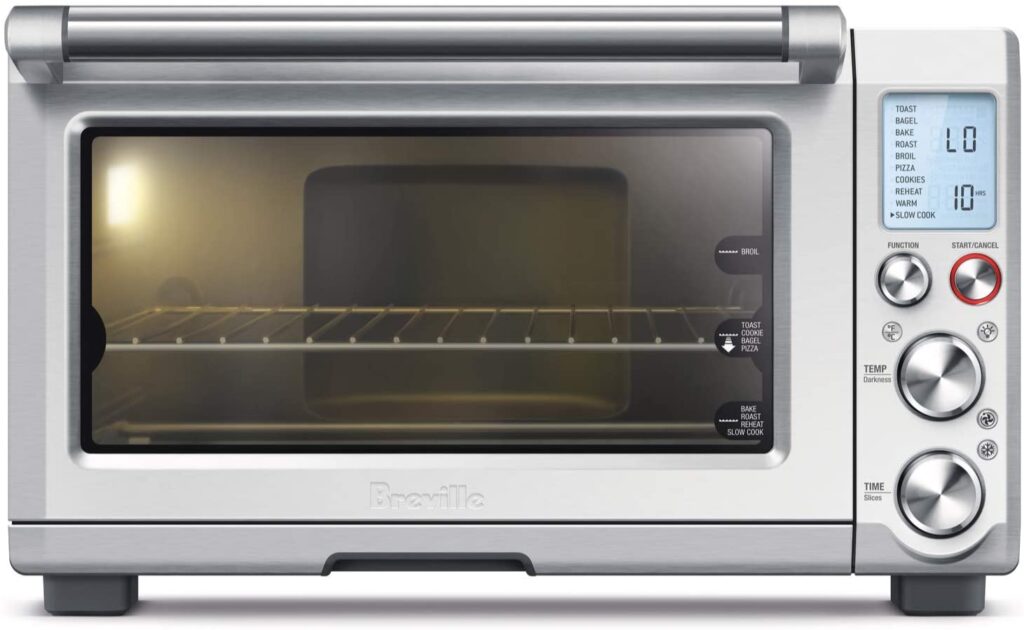
Yes. Chicken thighs can be cooked in the oven or on the stovetop. For the oven:
- Preheat to 160°C (320°F).
- Place chicken in a covered casserole dish with liquid.
- Cook for 1.5-2 hours, checking internal temperature.
On the stovetop, use a heavy-bottomed pot, simmer gently over low heat for 1.5-2 hours, keeping the pot covered to retain moisture. The slow cooker, however, allows a more hands-off, ’set it and forget it’ method that enhances tenderness.
Reheating Leftovers In Slow Cooker
Reheating chicken in a slow cooker keeps it moist without drying out. Steps:
- Place leftover chicken in the slow cooker.
- Add a splash of chicken stock or sauce to prevent drying.
- Heat on low for 1-2 hours or on high for 30-45 minutes until thoroughly heated.
- Stir gently to ensure even heating.
Avoid microwaving if possible, as slow cooker reheating preserves texture and flavor more effectively.
FAQs
How Long Should I Cook 1kg Of Chicken Thighs In A Slow Cooker?
Cooking time depends on the heat setting. On low heat, cook for 6-7 hours. On high heat, cook for 3-4 hours. Always ensure the internal temperature reaches 75°C (165°F) for safety.
Should I Remove The Skin From Chicken Thighs Before Slow Cooking?
You can leave the skin on for added flavor and moisture, but remove it if you prefer a lower-fat dish. The skin will become soft during slow cooking.
Do I Need To Sear Chicken Thighs Before Adding Them To The Slow Cooker?
Searing is optional but recommended. Browning the chicken first enhances flavor and adds color, though the slow cooker will still cook them thoroughly without searing.
Can I Cook Frozen Chicken Thighs In A Slow Cooker?
It is not recommended to cook frozen chicken in a slow cooker because it may stay in the temperature ’danger zone’ for too long, increasing the risk of bacterial growth. Thaw chicken in the refrigerator before cooking.
How Much Liquid Should I Add When Cooking Chicken Thighs In A Slow Cooker?
Add 1/2 to 1 cup of liquid such as broth, water, or sauce. Chicken releases some liquid during cooking, so excessive liquid is unnecessary and can make the dish watery.
What Herbs And Spices Work Best With Chicken Thighs In A Slow Cooker?
Common choices include garlic, onion, paprika, thyme, rosemary, oregano, and black pepper. You can also add bay leaves or lemon slices for additional aroma.
Can I Cook Vegetables With Chicken Thighs In The Slow Cooker?
Yes, root vegetables like carrots, potatoes, and onions work well. Place them at the bottom of the slow cooker to ensure they cook evenly.
How Do I Prevent Chicken Thighs From Drying Out In The Slow Cooker?
Use enough liquid to maintain moisture, avoid overcooking, and consider leaving the skin on. Also, do not remove the lid frequently, as heat loss slows cooking and can dry out the meat.
Can I Use A Slow Cooker Liner When Cooking Chicken Thighs?
Yes, liners are safe and make cleanup easier. Ensure the liner fits the slow cooker correctly and avoid puncturing it during cooking.
How Can I Tell When Chicken Thighs Are Fully Cooked In A Slow Cooker?
Use a meat thermometer to check the internal temperature. Fully cooked chicken thighs should reach 75°C (165°F). The meat should also be tender and easily pull away from the bone.