
How To Cook 2lb Brisket In Slow Cooker [GUIDE]
Brisket, a cut from the lower chest of the cow, is famed for its rich, beefy flavor and tender texture when cooked properly. Yet, its dense muscle structure and connective tissue can make it a challenge to master in the kitchen. Enter the slow cooker-a modern-day culinary savior that transforms this potentially tough cut into a melt-in-your-mouth masterpiece with minimal effort. Cooking brisket in a slow cooker allows the flavors to deepen over hours, while the meat absorbs juices from its seasonings, creating a tender, savory dish that’s perfect for family dinners, special occasions, or meal prep. In this guide, we’ll explore every aspect of preparing a 2lb brisket in a slow cooker-from cooking times and ingredient selection to troubleshooting and reheating, ensuring you achieve brisket perfection.
Contents
- 1 How Long To Cook 2lb Brisket In Slow Cooker
- 2 How To Tell If It Is Done
- 3 Ingredients Needed
- 4 How To Cook 2lb Brisket In Slow Cooker
- 5 When Things Go Wrong
- 6 Expert Tips
- 7 Can I Do This Without A Slow Cooker?
- 8 Reheating Leftovers In Slow Cooker
- 9 FAQs
- 9.1 What Is The Best Way To Prepare A 2lb Brisket For Slow Cooking?
- 9.2 How Long Should I Cook A 2lb Brisket In A Slow Cooker?
- 9.3 Should I Add Liquid To The Slow Cooker When Cooking Brisket?
- 9.4 Can I Cook A Frozen 2lb Brisket In The Slow Cooker?
- 9.5 Do I Need To Cover The Brisket While It Cooks In The Slow Cooker?
- 9.6 How Do I Know When The Brisket Is Done?
- 9.7 Should I Rest The Brisket After Slow Cooking?
- 9.8 What Cuts Of Brisket Work Best For A 2lb Portion In A Slow Cooker?
- 9.9 Can I Add Vegetables To The Slow Cooker With The Brisket?
- 9.10 Can I Make A Sauce Or Gravy From The Slow Cooker Juices?
How Long To Cook 2lb Brisket In Slow Cooker
Cooking times for brisket can vary depending on the slow cooker’s size, model, and temperature settings. For a 2lb brisket, there are general guidelines based on the chosen heat setting:
- Low Heat: 6-8 hours. Cooking slowly on low ensures the connective tissue breaks down gradually, resulting in tender, juicy meat.
- High Heat: 3-4 hours. Using high heat speeds up the process, but you must monitor closely to avoid drying out the brisket.
It’s essential to understand that slow cooking is forgiving but benefits from patience. The low-and-slow method allows collagen in the meat to convert into gelatin, which gives the brisket its signature moist texture. Brisket is best when it’s tender enough to pull apart easily with a fork but still retains its shape.
How To Tell If It Is Done
Determining doneness in brisket isn’t just about cooking time-it’s about texture and internal temperature:
- Internal Temperature: Aim for 190-205°F (88-96°C). Brisket is safe to eat at 145°F (63°C), but it won’t be tender unless it reaches the higher range.
- Fork Test: Insert a fork into the thickest part of the meat; it should slide in and out with little resistance, and the meat should pull apart easily.
- Appearance: The meat should have a deep, rich brown color, and the juices should be slightly thickened, not watery.
Relying on temperature alone can sometimes mislead, as brisket can reach the correct heat but still be tough. Combining visual, tactile, and thermometer cues ensures perfect results.
Ingredients Needed
The beauty of slow-cooked brisket lies in its simplicity; high-quality ingredients shine through. For a 2lb brisket, you’ll need:
- 2lb beef brisket (preferably well-marbled)
- 1-2 tablespoons olive oil (for searing, optional but enhances flavor)
- 1 medium onion, sliced
- 3-4 cloves garlic, minced
- 1 cup beef broth (or stock, to keep the brisket moist)
- 1/2 cup barbecue sauce or tomato-based sauce (optional, for a richer flavor)
- 2 tablespoons Worcestershire sauce
- 1 teaspoon smoked paprika
- 1 teaspoon black pepper
- 1 teaspoon salt (or to taste)
- 1/2 teaspoon crushed red pepper flakes (optional, for heat)
- Fresh herbs (thyme, rosemary, or bay leaves, optional)
This combination balances the natural beef flavor with aromatic depth from herbs, spices, and sauces, giving the brisket a savory-sweet profile.
How To Cook 2lb Brisket In Slow Cooker
- Optional Sear: Heat olive oil in a skillet over medium-high heat. Sear the brisket for 3-4 minutes per side until browned. This step is optional but enhances flavor and creates a crust.
- Prepare the Slow Cooker: Place sliced onions and minced garlic at the bottom of the slow cooker to form a flavor base.
- Add Liquids and Seasonings: Mix beef broth, Worcestershire sauce, paprika, salt, pepper, and optional barbecue sauce in a bowl. Pour over the brisket. Add fresh herbs if desired.
- Cook Low and Slow: Cover the slow cooker and set it on low for 6-8 hours or high for 3-4 hours. Resist the urge to lift the lid frequently, as this releases heat and extends cooking time.
- Rest Before Slicing: Once done, remove the brisket and let it rest for 10-15 minutes. Slice against the grain to maximize tenderness.
When Things Go Wrong
Even with a slow cooker, brisket can encounter a few pitfalls:
- Tough Meat: Likely cooked too fast or not long enough. Slow cooking on low is the safest bet.
- Dry Brisket: Could be due to insufficient liquid or cooking uncovered. Ensure broth or sauce covers the meat halfway.
- Overly Salty or Spicy: Add extra broth or a peeled potato to absorb excess seasoning.
Understanding these issues helps you troubleshoot without giving up on your brisket dreams.
Expert Tips
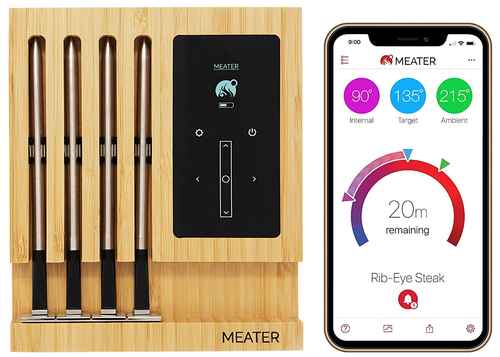
- Use a Meat Thermometer: It removes all guessing and ensures perfectly tender brisket.
- Layer Flavors: Place onions and garlic beneath the meat to allow their flavors to infuse during cooking.
- Do Not Rush: Brisket rewards patience-longer, slower cooking results in a more succulent dish.
- Resting Is Key: Resting redistributes juices, preventing them from spilling out during slicing.
Can I Do This Without A Slow Cooker?
Absolutely. Brisket can be cooked in the oven or on a stovetop:
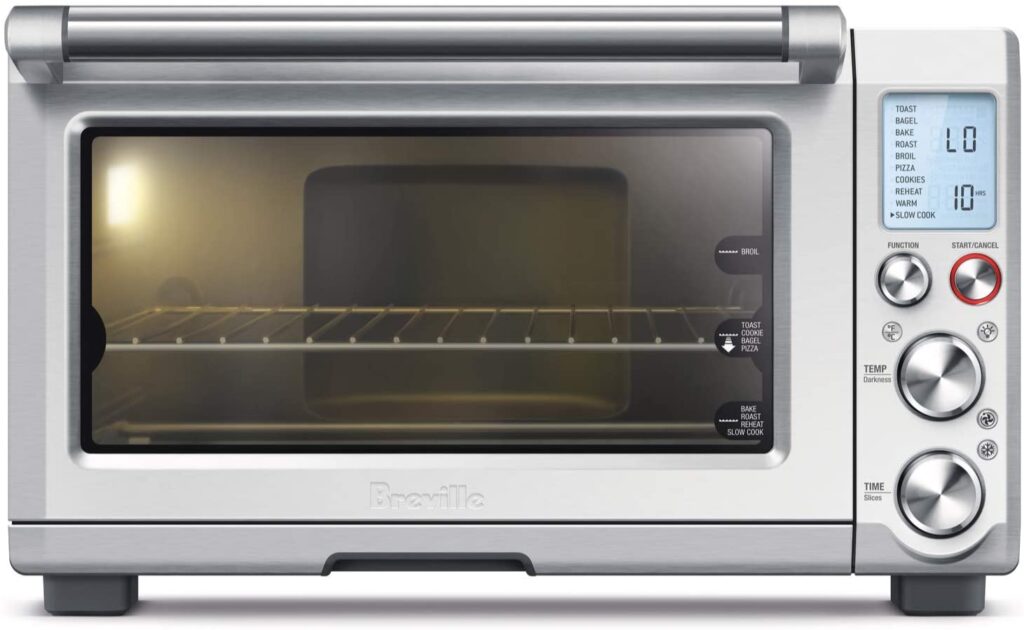
- Oven Method: Preheat to 300°F (150°C). Brown the brisket, place it in a covered roasting pan with liquid and seasonings, and bake for 3-4 hours until tender.
- Stovetop Method: Use a heavy-bottomed pot or Dutch oven. Sear the brisket, add liquid, cover, and simmer on low heat for 3-4 hours, checking periodically.
While the results are similar, slow cookers offer the convenience of hands-off cooking and consistent low heat.
Reheating Leftovers In Slow Cooker
Slow cookers are excellent for gently reheating brisket without drying it out:
- Slice leftover brisket and place it in the slow cooker.
- Add a splash of beef broth or sauce to maintain moisture.
- Set on low for 1-2 hours until heated through. Avoid high heat, which can dry out the meat.
This method preserves tenderness and flavor, making the brisket taste freshly cooked.
FAQs
What Is The Best Way To Prepare A 2lb Brisket For Slow Cooking?
Trim any excess fat from the brisket, season it generously with salt, pepper, and your preferred spices or rub. Searing the brisket in a hot pan for a few minutes on each side before slow cooking can enhance flavor and color.
How Long Should I Cook A 2lb Brisket In A Slow Cooker?
Cook the brisket on low for 7 to 8 hours or on high for 4 to 5 hours. The goal is to reach a fork-tender texture without drying out the meat.
Should I Add Liquid To The Slow Cooker When Cooking Brisket?
Yes, adding at least 1/2 to 1 cup of liquid such as beef broth, stock, or a mixture of broth and barbecue sauce will help keep the brisket moist and infuse flavor.
Can I Cook A Frozen 2lb Brisket In The Slow Cooker?
It is not recommended to cook brisket from frozen in a slow cooker because it may stay in the temperature danger zone too long, which can lead to unsafe bacterial growth. Thaw the brisket in the refrigerator before cooking.
Do I Need To Cover The Brisket While It Cooks In The Slow Cooker?
Yes, always cover the slow cooker with its lid to retain moisture and heat, ensuring even cooking and a tender final result.
How Do I Know When The Brisket Is Done?
The brisket is done when it is fork-tender and easily pulls apart. Internal temperature should be at least 195°F to 205°F for optimal tenderness.
Should I Rest The Brisket After Slow Cooking?
Yes, let the brisket rest for 15 to 20 minutes before slicing. This allows juices to redistribute, making the meat more moist and flavorful.
What Cuts Of Brisket Work Best For A 2lb Portion In A Slow Cooker?
For a 2lb portion, flat cut brisket is ideal because it is leaner and more uniform in size. Point cut has more marbling and fat, which can also be used if you want richer flavor but will require slightly longer cooking.
Can I Add Vegetables To The Slow Cooker With The Brisket?
Yes, vegetables like carrots, potatoes, and onions can be added. Place them around or under the brisket so they cook evenly and absorb the cooking juices.
Can I Make A Sauce Or Gravy From The Slow Cooker Juices?
Absolutely. After removing the brisket, strain the cooking liquid and reduce it on the stovetop to thicken, or blend it with cornstarch or flour for a flavorful gravy.