
How To Cook 6 Chicken Breasts In Slow Cooker [GUIDE]
Slow cookers, often referred to as crockpots, are a kitchen marvel for anyone seeking effortless, flavorful meals. They allow you to prepare dishes with minimal hands-on time while extracting maximum flavor from ingredients. Among the most popular slow-cooked meals is chicken-versatile, lean, and compatible with countless flavor profiles. Cooking six chicken breasts in a slow cooker is perfect for meal prepping, feeding a family, or preparing a hearty batch for future use. Unlike traditional methods, slow cooking ensures the meat remains tender, juicy, and infused with spices or sauces, reducing the risk of drying out-a common challenge when cooking chicken breasts.
This guide will walk you step-by-step through the process, from understanding cooking times and ensuring proper doneness to troubleshooting and expert tips for the best results.
Contents
- 1 How Long To Cook 6 Chicken Breasts In Slow Cooker
- 2 How To Tell If It Is Done
- 3 Ingredients Needed
- 4 How To Cook 6 Chicken Breasts In Slow Cooker
- 5 When Things Go Wrong
- 6 Expert Tips
- 7 Can I Do This Without A Slow Cooker?
- 8 Reheating Leftovers In Slow Cooker
- 9 FAQs
- 9.1 How Long Should I Cook 6 Chicken Breasts In A Slow Cooker?
- 9.2 Do I Need To Add Liquid When Cooking 6 Chicken Breasts In A Slow Cooker?
- 9.3 Can I Cook Frozen Chicken Breasts In A Slow Cooker?
- 9.4 Should I Season The Chicken Breasts Before Adding Them To The Slow Cooker?
- 9.5 Can I Stack The Chicken Breasts In The Slow Cooker?
- 9.6 Do I Need To Brown The Chicken Before Putting It In The Slow Cooker?
- 9.7 How Can I Ensure The Chicken Breasts Remain Tender And Juicy?
- 9.8 Can I Add Vegetables To The Slow Cooker With The Chicken Breasts?
- 9.9 How Can I Check If The Chicken Breasts Are Fully Cooked?
- 9.10 Can I Make A Sauce Or Gravy With The Slow-cooked Chicken?
How Long To Cook 6 Chicken Breasts In Slow Cooker
Cooking time is the most critical factor in achieving tender, juicy chicken. On average:
- Low setting: 6-8 hours
- High setting: 3-4 hours
The exact time can vary depending on the size of the chicken breasts, your slow cooker’s model, and whether the meat is fresh or frozen. Smaller, thinner breasts may finish slightly earlier, while thicker cuts may require the full duration. Slow cookers function by gradually raising the temperature, so patience is key. Rushing the process on a high setting can lead to uneven cooking, while the low, slow method guarantees moist, fall-apart chicken.
How To Tell If It Is Done
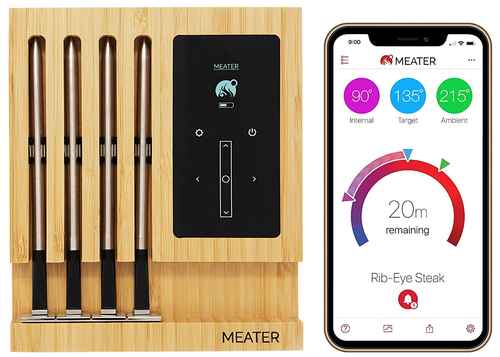
The most reliable way to check for doneness is using a meat thermometer. Chicken breasts are safe to eat when the internal temperature reaches 165°F (74°C). Insert the thermometer into the thickest part of the breast-avoid touching bone if present, as this can give a falsely high reading.
Other visual and tactile indicators include:
- Juices running clear, not pink or red
- Meat pulling apart easily when shredded
- Firm texture that is still slightly springy, not rubbery
Relying solely on time or appearance can be risky, as slow cookers vary in heat distribution. A thermometer guarantees safety and optimal texture.
Ingredients Needed
Cooking six chicken breasts in a slow cooker doesn’t require an extensive ingredient list. Here’s a basic setup:
Essential Ingredients
- 6 boneless, skinless chicken breasts
- 1 cup chicken broth (or water, for moisture)
- 1-2 teaspoons salt
- ½-1 teaspoon black pepper
Optional Flavor Enhancers
- Garlic (fresh minced or powder)
- Onion (sliced or chopped)
- Herbs: thyme, rosemary, oregano, or parsley
- Spices: paprika, chili powder, cumin
- Sauces: barbecue, teriyaki, or a cream-based sauce for richness
The slow cooker allows you to experiment with combinations. For instance, a mixture of lemon, garlic, and rosemary can infuse a Mediterranean flavor, while barbecue sauce creates a sweet, smoky profile perfect for sandwiches.
How To Cook 6 Chicken Breasts In Slow Cooker
- Prepare the chicken: Rinse and pat the chicken breasts dry. This ensures seasonings adhere better.
- Season thoroughly: Rub salt, pepper, and any additional spices or herbs over the chicken.
- Add liquid: Pour chicken broth or your chosen sauce into the slow cooker. This prevents drying out and helps distribute flavors.
- Layer properly: Place the chicken breasts in a single layer if possible, slightly overlapping if necessary. Avoid stacking too high, as uneven cooking may occur.
-
Set Temperature And Timer
- Low: 6-8 hours
- High: 3-4 hours
- Check for doneness: About 30 minutes before the end of cooking, begin checking internal temperature.
- Optional finishing touches: If you like a lightly caramelized top, transfer cooked breasts to a baking sheet and broil for 2-3 minutes.
When Things Go Wrong
Even with careful planning, mistakes can happen. Common issues include:
- Dry chicken: Often caused by overcooking or insufficient liquid. Adding sauce or broth and cooking on low can prevent this.
- Undercooked centers: Usually a result of large, thick breasts or stacking. Cut in half to check temperature and adjust cooking time as needed.
- Rubbery texture: Overcooking on high heat or using frozen breasts without thawing first can result in this. Slow and steady wins the race.
- Flavorless meat: Lack of seasoning or insufficient liquid reduces flavor absorption. Marinating beforehand or adding aromatic vegetables can solve this.
Expert Tips
- Uniform size matters: Try to use chicken breasts of similar size to ensure even cooking.
- Layer flavors: Add aromatics at the bottom of the slow cooker for a richer taste.
- Shred for versatility: Slow-cooked chicken is perfect for shredding into tacos, sandwiches, or salads.
- Reserve cooking liquid: Use it as a base for sauces, gravies, or soups.
- Avoid lifting the lid: Every time you lift the slow cooker, heat escapes, extending cooking time.
Can I Do This Without A Slow Cooker?
Yes! If you don’t have a slow cooker, you can use:
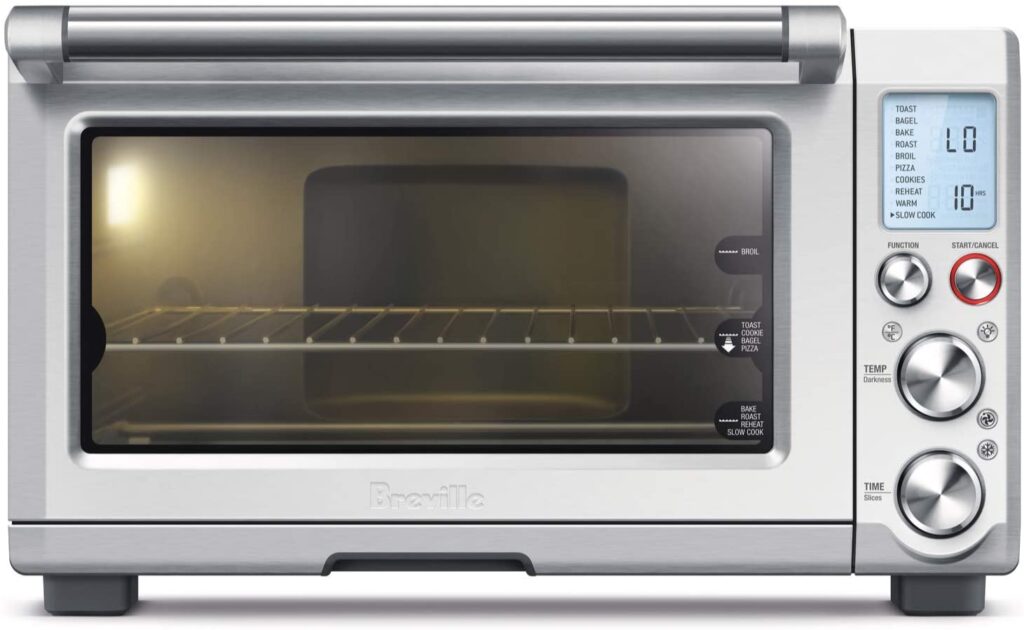
- Oven: Bake in a covered dish at 325°F (163°C) for 25-35 minutes, then check internal temperature.
- Stovetop: Simmer chicken in a covered pan with liquid on low heat for 30-45 minutes, checking for doneness.
- Instant Pot or pressure cooker: Cook on high pressure for 10-12 minutes with natural pressure release for tender results.
Each method can replicate slow-cooked tenderness but may require more attention and adjustment.
Reheating Leftovers In Slow Cooker
Slow cookers are excellent for gently reheating leftover chicken without drying it out:
- Place chicken in the slow cooker.
- Add a splash of broth, sauce, or water to maintain moisture.
- Heat on low for 1-2 hours or on high for 30-45 minutes, until warmed through.
- Stir occasionally if using shredded chicken to ensure even heat distribution.
Avoid reheating on high for too long, as it can toughen the meat.
FAQs
How Long Should I Cook 6 Chicken Breasts In A Slow Cooker?
Cooking time depends on the heat setting. On low, cook the chicken breasts for 6-7 hours, and on high, cook for 3-4 hours. Ensure the internal temperature reaches 165°F (74°C) for safe consumption.
Do I Need To Add Liquid When Cooking 6 Chicken Breasts In A Slow Cooker?
Yes, adding liquid is essential to prevent the chicken from drying out. You can use broth, water, or a sauce. Typically, 1/2 to 1 cup of liquid is sufficient for 6 chicken breasts.
Can I Cook Frozen Chicken Breasts In A Slow Cooker?
It is not recommended to cook frozen chicken in a slow cooker, as it can stay in the danger zone (40-140°F) for too long, promoting bacterial growth. Thaw the chicken in the refrigerator before cooking.
Should I Season The Chicken Breasts Before Adding Them To The Slow Cooker?
Yes, seasoning the chicken breasts with salt, pepper, and other spices or herbs before cooking enhances flavor. You can also add vegetables or aromatics such as onions, garlic, or herbs.
Can I Stack The Chicken Breasts In The Slow Cooker?
Yes, you can stack them, but try to arrange them evenly for uniform cooking. Overcrowding may increase cooking time slightly.
Do I Need To Brown The Chicken Before Putting It In The Slow Cooker?
Browning is optional. Searing the chicken breasts in a skillet before slow cooking adds extra flavor and color but is not necessary for safety or tenderness.
How Can I Ensure The Chicken Breasts Remain Tender And Juicy?
Avoid overcooking and use enough liquid. Cooking on low heat rather than high is generally better for maintaining tenderness. Additionally, letting the chicken rest for a few minutes before slicing helps retain juices.
Can I Add Vegetables To The Slow Cooker With The Chicken Breasts?
Yes, vegetables like carrots, potatoes, and onions can be added. Place firmer vegetables at the bottom and the chicken on top to ensure even cooking.
How Can I Check If The Chicken Breasts Are Fully Cooked?
The most reliable method is using a meat thermometer. Insert it into the thickest part of a chicken breast; it should read 165°F (74°C). Alternatively, the chicken should be opaque and easy to shred.
Can I Make A Sauce Or Gravy With The Slow-cooked Chicken?
Yes, you can use the liquid left in the slow cooker as a base for a sauce or gravy. Remove the chicken, thicken the liquid with cornstarch or flour, and season to taste.