
How To Cook Bacon Roly Poly In Slow Cooker [GUIDE]
Bacon Roly Poly is a decadent comfort food that has its roots in British cuisine, often known for its sweet and savory interplay when prepared with traditional fillings. However, modern variations lean into savory-only versions, combining rich, smoky bacon with a soft, doughy pastry that melts in your mouth. While baking in the oven is the conventional route, using a slow cooker adds a unique dimension to the dish. Slow cooking allows the bacon to release its oils gradually, infusing the dough with an unparalleled depth of flavor while keeping the pastry tender and moist. The result is a melt-in-your-mouth, smoky delight that feels indulgent yet effortless-perfect for a weekend brunch, a hearty breakfast, or a cozy dinner side.
Unlike oven-baking, where high temperatures risk overcooking or drying out the bacon, the slow cooker’s gentle heat transforms the Bacon Roly Poly into a soft, succulent, and evenly cooked dish. In this guide, we’ll explore how to make the perfect slow-cooked Bacon Roly Poly, what ingredients you’ll need, and expert tips to avoid common mistakes.
Contents
- 1 How Long To Cook Bacon Roly Poly In Slow Cooker
- 2 How To Tell If It Is Done
- 3 Ingredients Needed
- 4 How To Cook Bacon Roly Poly In Slow Cooker
- 5 When Things Go Wrong
- 6 Expert Tips
- 7 Can I Do This Without A Slow Cooker?
- 8 Reheating Leftovers In Slow Cooker
- 9 FAQs
- 9.1 What Is A Bacon Roly Poly?
- 9.2 Can I Cook A Bacon Roly Poly In A Slow Cooker?
- 9.3 What Type Of Dough Works Best For Slow Cooker Bacon Roly Poly?
- 9.4 Should The Bacon Be Cooked Before Rolling It In The Dough?
- 9.5 Do I Need To Grease The Slow Cooker Before Placing The Roly Poly Inside?
- 9.6 What Cooking Settings Are Best For Slow Cooker Bacon Roly Poly?
- 9.7 Can I Add Extra Fillings To The Bacon Roly Poly?
- 9.8 How Do I Know When The Bacon Roly Poly Is Fully Cooked In The Slow Cooker?
- 9.9 Can I Make The Bacon Roly Poly Ahead Of Time And Store It Before Slow Cooking?
- 9.10 How Should I Serve Slow Cooker Bacon Roly Poly?
How Long To Cook Bacon Roly Poly In Slow Cooker
Cooking time in a slow cooker is crucial because the low, consistent heat affects both the bacon and the pastry. On average, a standard 9×5-inch bacon roly poly will require:
- On Low: 4 to 5 hours
- On High: 2 to 3 hours
Keep in mind that slow cooker models vary in heat output, so it’s essential to monitor progress, especially the first time you try this recipe. The goal is to allow the dough to cook fully without becoming soggy while letting the bacon fat render slowly into the pastry for maximum flavor.
How To Tell If It Is Done
Determining whether your Bacon Roly Poly is perfectly cooked relies on a combination of visual cues, texture, and internal temperature:
- Visual cues: The pastry should be lightly golden and puffed in areas that aren’t in direct contact with the slow cooker lining. The edges may appear slightly crispier if touching the sides.
- Texture check: Gently press the top of the roly poly with a fork or spoon. It should feel firm, not doughy. Soft spots indicate uncooked dough.
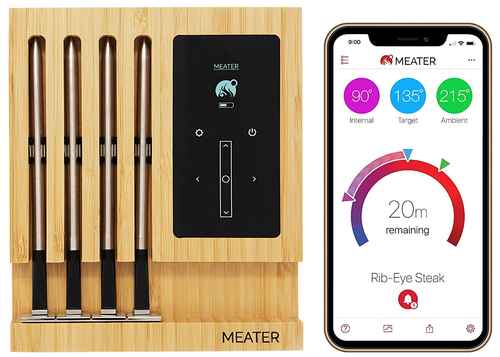
- Internal temperature: Using a food thermometer, aim for 190-200°F (88-93°C) in the center of the pastry. This ensures the dough is cooked through and the bacon inside has reached a safe temperature.
- Smell test: The aroma should be rich with smoky bacon and a subtle doughy sweetness-a good indicator that the flavors have melded properly.
Ingredients Needed
For a classic slow-cooker Bacon Roly Poly, you will need:
- Pastry or Dough: 1 sheet of pre-made shortcrust pastry or homemade pastry (approx. 250-300g)
- Bacon: 8-10 rashers, preferably streaky for maximum flavor
- Optional Fillings: Sautéed onions, grated cheese, or a smear of mustard or cream cheese for added complexity
- Butter or Oil: For greasing the slow cooker
- Egg wash: 1 egg, lightly beaten, to brush the top of the pastry for a subtle golden finish
- Seasoning: Freshly ground black pepper, optional herbs like thyme or rosemary
How To Cook Bacon Roly Poly In Slow Cooker
- Prepare the slow cooker: Lightly grease the base and sides with butter or a thin layer of oil. Line with parchment paper if your slow cooker tends to stick.
- Prepare the pastry: Roll the pastry into a rectangle large enough to encase the bacon. Lay bacon strips evenly, leaving a margin at the edges for sealing. Add optional fillings if desired.
- Roll and seal: Roll the pastry lengthwise, forming a log. Pinch the edges to seal and place seam-side down in the slow cooker.
- Cook: Cover and set the slow cooker on Low for 4-5 hours or High for 2-3 hours. Avoid lifting the lid frequently, as this releases heat and can extend cooking time.
- Optional finishing touch: If you want a lightly browned top, remove the roly poly after cooking and place under a broiler or in a hot oven for 5-7 minutes.
When Things Go Wrong
Slow cooking is forgiving, but a few things can go awry:
- Soggy pastry: Usually caused by excess moisture or overstuffing. Ensure bacon is patted dry and fillings aren’t too wet.
- Undercooked dough: This can happen if the slow cooker temperature is too low. Test with a thermometer and extend cooking time.
- Overcooked edges: If the edges touch the sides of the slow cooker, they can become tough. Lining with parchment paper and maintaining space between dough and sides helps.
Expert Tips
- Use streaky bacon rather than back bacon for more fat and flavor infusion.
- Par-cook fillings like onions or mushrooms to reduce moisture and concentrate flavors.
- Avoid overfilling; the roly poly should be slightly firm to roll without tearing.
- Let the dish rest for 10-15 minutes after cooking. This helps the pastry set and makes slicing easier.
- Rotate the roly poly midway if your slow cooker has uneven heat distribution.
Can I Do This Without A Slow Cooker?
Yes, but results will differ slightly:
- Oven: Bake at 350°F (175°C) for 30-40 minutes. You’ll get a crisper pastry but less infused flavor from slow-rendered bacon fat.
- Stovetop: Wrap in foil and simmer gently in a covered pan, though this requires careful attention to avoid burning.
The slow cooker’s advantage is low, even heat that melds flavors and keeps the pastry tender.
Reheating Leftovers In Slow Cooker
Leftovers can be gently reheated without losing moisture:
- Place slices in a greased slow cooker insert.
- Cover and heat on Low for 1-2 hours, checking occasionally.
- Alternatively, microwave on medium power for 1-2 minutes per slice, or reheat in a low oven (300°F / 150°C) covered with foil to avoid drying.
FAQs
What Is A Bacon Roly Poly?
A bacon roly poly is a savory dish made by spreading cooked bacon and sometimes additional fillings like cheese or vegetables onto a dough sheet, rolling it into a spiral, and then cooking it. It’s similar to a rolled pastry or bread but with a hearty, smoky filling.
Can I Cook A Bacon Roly Poly In A Slow Cooker?
Yes, a slow cooker can be used to cook bacon roly poly, especially if you want a tender, moist texture. It’s ideal for slow, even cooking without the risk of burning, but it requires proper preparation to prevent sogginess.
What Type Of Dough Works Best For Slow Cooker Bacon Roly Poly?
Yeast-based bread dough or puff pastry can work well. Yeast dough tends to yield a softer, fluffier texture, while puff pastry produces a flakier, lighter result. Make sure the dough is rolled evenly to ensure even cooking in the slow cooker.
Should The Bacon Be Cooked Before Rolling It In The Dough?
Yes, it is recommended to partially or fully cook the bacon before rolling. This ensures it releases some fat and cooks evenly without making the dough soggy. Crispy or slightly chewy bacon both work, depending on preference.
Do I Need To Grease The Slow Cooker Before Placing The Roly Poly Inside?
Yes, lightly greasing the slow cooker with butter or non-stick spray helps prevent the bacon roly poly from sticking. Some people also line the slow cooker with parchment paper for easier removal.
What Cooking Settings Are Best For Slow Cooker Bacon Roly Poly?
Use the low setting for 2-3 hours for a tender texture, or medium for 1.5-2 hours if you want a slightly firmer outer layer. High heat is generally not recommended, as it can cook the outside too quickly while leaving the center undercooked.
Can I Add Extra Fillings To The Bacon Roly Poly?
Absolutely. Common additions include grated cheese, sautéed onions, peppers, or herbs. Be cautious not to overfill, as too much filling can prevent even cooking and make the roll fall apart.
How Do I Know When The Bacon Roly Poly Is Fully Cooked In The Slow Cooker?
The dough should be firm and spring back slightly when touched. A skewer or toothpick inserted into the center should come out clean. The bacon inside should be cooked through and tender but not overly greasy.
Can I Make The Bacon Roly Poly Ahead Of Time And Store It Before Slow Cooking?
Yes, you can assemble the roly poly and refrigerate it for several hours or overnight. Allow it to come closer to room temperature before placing it in the slow cooker to ensure even cooking.
How Should I Serve Slow Cooker Bacon Roly Poly?
It can be served warm as a main dish or sliced as a hearty snack. It pairs well with breakfast sides like eggs and salad or with dipping sauces such as tomato ketchup, mustard, or creamy ranch. Slice carefully to preserve the spiral pattern.