
How To Cook Beef Chuck Roast In Slow Cooker [GUIDE]
Few meals evoke the comforting aroma of home quite like a slow-cooked beef chuck roast. A cut known for its rich marbling and deep, beefy flavor, the chuck roast transforms into tender, succulent perfection when treated with low, gentle heat over several hours. The slow cooker is a modern marvel for this cut: it takes what could be a tough, chewy piece of meat and converts it into melt-in-your-mouth tenderness, all while allowing flavors to meld and develop. Beyond the convenience, slow cooking allows the connective tissue in the beef to break down into gelatin, creating a luscious, velvety texture in both the meat and the accompanying juices. This guide delves deep into every step of the process-from selecting the perfect cut to rescuing your roast if things don’t go as planned-so that you can confidently serve a dish worthy of a special occasion or a hearty weeknight dinner.
Contents
- 1 How Long To Cook Beef Chuck Roast In Slow Cooker
- 2 How To Tell If It Is Done
- 3 Ingredients Needed
- 4 How To Cook Beef Chuck Roast In Slow Cooker
- 5 When Things Go Wrong
- 6 Expert Tips
- 7 Can I Do This Without A Slow Cooker?
- 8 Reheating Leftovers In Slow Cooker
- 9 FAQs
- 9.1 What Is The Best Cut Of Beef Chuck Roast For Slow Cooking?
- 9.2 Do I Need To Sear The Beef Chuck Roast Before Using A Slow Cooker?
- 9.3 What Liquid Should I Use When Cooking A Beef Chuck Roast In A Slow Cooker?
- 9.4 How Long Does It Take To Cook A Beef Chuck Roast In A Slow Cooker?
- 9.5 What Vegetables Pair Well With A Slow-cooked Beef Chuck Roast?
- 9.6 Can I Overcook A Beef Chuck Roast In A Slow Cooker?
- 9.7 Should I Add Seasonings At The Beginning Or End Of Cooking?
- 9.8 How Do I Know When My Beef Chuck Roast Is Done?
- 9.9 Can I Freeze A Cooked Beef Chuck Roast Made In A Slow Cooker?
- 9.10 How Can I Thicken The Sauce From My Slow-cooked Beef Chuck Roast?
How Long To Cook Beef Chuck Roast In Slow Cooker
Timing is critical when it comes to slow cooking a beef chuck roast. The general rule is to cook the roast on low for 8 to 10 hours or on high for 4 to 6 hours, depending on its size and thickness. A 3-4 pound roast, for instance, thrives on the low-and-slow method, which allows the connective tissue to dissolve fully, resulting in tender, juicy meat. Cooking on high can be tempting for faster results, but the texture may not reach the same level of melt-in-your-mouth tenderness and carries a slightly higher risk of drying out the edges if the liquid evaporates too quickly.
Environmental factors like the exact temperature of your slow cooker, the size of the roast, and whether the lid is lifted during cooking can all affect the timeline. Slow cooking is forgiving, but patience is key: the flavor, texture, and succulence improve the longer the roast has a chance to slowly braise in its own juices and aromatics.
How To Tell If It Is Done
Determining doneness is about more than just timing; it requires sensory attention. A perfectly cooked chuck roast should be:
- Tender to the touch – Using a fork or tongs, you should be able to gently pull the meat apart without resistance. If it feels firm or rubbery, it likely needs more time.
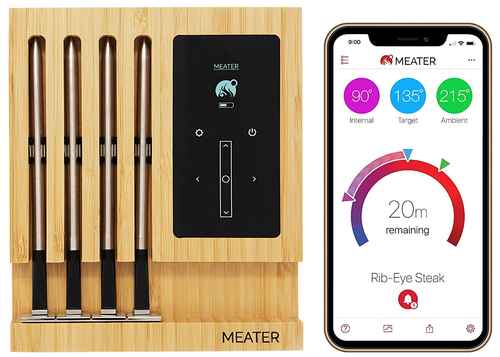
- Internal temperature – While slow cooking is forgiving, an internal temperature of 190-205°F (88-96°C) ensures that the connective tissue has fully broken down, producing tender meat.
- Juicy and moist – When cut, the meat should release flavorful juices, but not be dry or stringy.
- Flavorful and aromatic – The vegetables and seasonings should have melded with the beef, and the aroma should be rich and savory.
Pro tip: resist the temptation to cut into the roast too early, as doing so releases juices that contribute to the final moistness.
Ingredients Needed
To make a slow-cooked beef chuck roast truly exceptional, simplicity and quality of ingredients matter. A basic list includes:
- 3-4 lb beef chuck roast – well-marbled for tenderness
- 2 tbsp olive oil or vegetable oil – for searing (optional but enhances flavor)
- Salt and black pepper – generous seasoning on all sides
- 1-2 cups beef broth – provides moisture and depth of flavor
- 1 large onion – sliced or chopped
- 3-4 cloves garlic – minced
- 3-4 carrots – cut into large chunks
- 2-3 celery stalks – cut into large chunks
- 2-3 potatoes – optional, peeled and halved
- 1-2 tsp dried thyme or fresh sprigs
- 1-2 tsp dried rosemary or fresh sprigs
- 1-2 bay leaves
- Optional extras: Worcestershire sauce, tomato paste, red wine, or mushrooms for deeper flavor
The beauty of a slow cooker roast lies in layering flavors: vegetables, herbs, and broth combine to create a rich, savory environment that infuses the meat as it slowly cooks.
How To Cook Beef Chuck Roast In Slow Cooker
- Optional Searing: Heat oil in a large skillet over medium-high heat. Sear the roast for 3-4 minutes per side until a brown crust forms. This step adds depth of flavor but can be skipped for convenience.
- Layering Vegetables: Place onions, garlic, carrots, celery, and potatoes (if using) at the bottom of the slow cooker. This creates a natural rack for the meat and infuses flavor into both the roast and vegetables.
- Seasoning: Rub the roast generously with salt, pepper, and herbs. Place it atop the vegetable layer.
- Adding Liquid: Pour in the beef broth and optional extras like Worcestershire sauce or red wine. The liquid should cover about a third of the roast.
- Cooking: Cover the slow cooker with the lid. Cook on low for 8-10 hours, or on high for 4-6 hours, until the meat is tender.
- Resting: Remove the roast and let it rest for 10-15 minutes before slicing or shredding. This allows juices to redistribute for optimal flavor.
When Things Go Wrong
Even with slow cookers, mishaps can occur:
- Meat is tough: Likely undercooked; return to slow cooker for additional time on low. Make sure there’s enough liquid to prevent drying.
- Meat is dry: Could be overcooked or lacking sufficient fat. Slice thinly and serve with gravy or broth.
- Vegetables are mushy: Consider adding more delicate vegetables in the last 1-2 hours of cooking next time.
- Liquid evaporated: Ensure the lid is tightly fitted. If necessary, add more broth or water midway.
Slow cooking is forgiving, and even imperfect results can often be rescued by adjusting cooking time or adding extra sauce.
Expert Tips
- Don’t lift the lid: Each time you remove it, you add 20-30 minutes to the cooking time due to heat loss.
- Brown for flavor: Even a quick sear adds a noticeable richness to the final dish.
- Use aromatics wisely: Fresh herbs should often be added later in the cooking process to preserve flavor, while hardy herbs like rosemary and thyme can go in at the start.
- Fat content matters: A slightly fattier chuck roast will yield more flavorful and moist meat than a leaner cut.
- Shred or slice wisely: Slicing thick against the grain creates a tender bite; shredding is ideal for sandwiches or stews.
Can I Do This Without A Slow Cooker?
Absolutely. The chuck roast can be cooked in a Dutch oven, oven, or stovetop:
- Oven: Preheat to 300°F (150°C). Brown roast, layer with vegetables, cover with broth, and braise in a covered pan for 3-4 hours.
- Stovetop: Use a heavy-bottomed pot with a tight-fitting lid over low heat. Cook for 3-4 hours, checking periodically to maintain liquid levels.
The key principle remains: low, slow cooking to allow connective tissue to dissolve.
Reheating Leftovers In Slow Cooker
Leftovers can be gently reheated in the slow cooker to preserve moisture:
- Add a splash of beef broth or water to prevent drying.
- Set the slow cooker to low and cover.
- Heat for 1-2 hours, stirring occasionally.
- Check internal temperature: ensure it reaches 165°F (74°C) for food safety.
This method keeps the roast tender and prevents overcooking that occurs in microwaves or stovetops.
FAQs
What Is The Best Cut Of Beef Chuck Roast For Slow Cooking?
The best cut is a well-marbled chuck roast, typically 3 to 5 pounds, as the fat and connective tissue break down during slow cooking to create a tender, flavorful dish.
Do I Need To Sear The Beef Chuck Roast Before Using A Slow Cooker?
Searing is optional but recommended. Browning the meat on all sides before placing it in the slow cooker adds depth of flavor and enhances the color and aroma of the final dish.
What Liquid Should I Use When Cooking A Beef Chuck Roast In A Slow Cooker?
You can use beef broth, stock, water, or a combination of broth and wine. Ensure there is enough liquid to partially cover the roast, which helps prevent drying out and promotes even cooking.
How Long Does It Take To Cook A Beef Chuck Roast In A Slow Cooker?
Cooking times vary depending on the size of the roast and heat setting. On low, it typically takes 8 to 10 hours; on high, 4 to 6 hours. The meat should be fork-tender when done.
What Vegetables Pair Well With A Slow-cooked Beef Chuck Roast?
Classic vegetables include carrots, potatoes, onions, and celery. Root vegetables are ideal because they hold up well during long cooking and absorb the flavors of the meat and broth.
Can I Overcook A Beef Chuck Roast In A Slow Cooker?
Yes, overcooking can cause the meat to become mushy or dry out, especially if the liquid evaporates. Using adequate liquid and cooking on the correct heat setting helps prevent this.
Should I Add Seasonings At The Beginning Or End Of Cooking?
Most herbs and spices can be added at the beginning to infuse flavor throughout the cooking process. Delicate herbs like parsley or fresh basil are best added at the end to maintain their freshness.
How Do I Know When My Beef Chuck Roast Is Done?
The roast is done when it reaches an internal temperature of around 190-200°F (88-93°C) and is fork-tender. It should easily pull apart with a fork.
Can I Freeze A Cooked Beef Chuck Roast Made In A Slow Cooker?
Yes, once cooled, you can freeze the roast along with its cooking juices for up to 3 months. Reheat slowly in the oven or on the stovetop to retain moisture and flavor.
How Can I Thicken The Sauce From My Slow-cooked Beef Chuck Roast?
Remove the meat and vegetables, then simmer the remaining liquid on the stovetop. You can thicken it with a slurry of cornstarch and water, or reduce it by simmering until it reaches the desired consistency.