
How To Cook Beef Eye Fillet In Slow Cooker [GUIDE]
The beef eye fillet, also known as the beef tenderloin, is one of the most tender and luxurious cuts of beef available. Its fine texture, delicate flavor, and lean profile make it a sought-after choice for gourmet meals. Traditionally, this cut is best suited to quick, high-heat cooking methods like searing or roasting, but with the right technique, it can also shine in a slow cooker. Slow cooking allows the flavors to meld beautifully while keeping the meat tender and juicy. However, because the eye fillet is lean, it requires careful attention to prevent overcooking and drying out. When done correctly, slow-cooked beef eye fillet offers a melt-in-your-mouth experience with a rich, deep flavor that complements a variety of sauces, vegetables, and seasonings.
Contents
- 1 How Long To Cook Beef Eye Fillet In Slow Cooker
- 2 How To Tell If It Is Done
- 3 Ingredients Needed
- 4 How To Cook Beef Eye Fillet In Slow Cooker
- 5 When Things Go Wrong
- 6 Expert Tips
- 7 Can I Do This Without A Slow Cooker?
- 8 Reheating Leftovers In Slow Cooker
- 9 FAQs
- 9.1 What Is The Best Way To Prepare Beef Eye Fillet For The Slow Cooker?
- 9.2 Should I Use A High Or Low Setting On The Slow Cooker For Beef Eye Fillet?
- 9.3 Do I Need To Add Liquid When Cooking Beef Eye Fillet In A Slow Cooker?
- 9.4 Can I Cook Beef Eye Fillet With Vegetables In The Slow Cooker?
- 9.5 How Long Does It Take To Cook Beef Eye Fillet In A Slow Cooker?
- 9.6 What Is The Ideal Internal Temperature For Slow-cooked Beef Eye Fillet?
- 9.7 Do I Need To Sear The Beef Eye Fillet Before Slow Cooking?
- 9.8 Can I Use Frozen Beef Eye Fillet In A Slow Cooker?
- 9.9 How Do I Prevent The Beef Eye Fillet From Drying Out In The Slow Cooker?
- 9.10 What Are Some Seasoning Options For Beef Eye Fillet In A Slow Cooker?
How Long To Cook Beef Eye Fillet In Slow Cooker
Unlike tougher cuts like chuck or brisket that benefit from long, slow cooking, the beef eye fillet requires a delicate touch. Typically, cooking times will depend on the temperature setting of your slow cooker and the size of the fillet:
- Low setting (recommended): 2 to 3 hours
- High setting: 1 to 1.5 hours
The goal is to warm and tenderize the meat without breaking down its structure too much. Because this cut is already extremely tender, it doesn’t need the extended cooking times used for tougher beef cuts. Overcooking will result in a dry, fibrous texture, so monitoring is crucial.
How To Tell If It Is Done
The key to perfectly cooked beef eye fillet is using both visual cues and internal temperature:
-
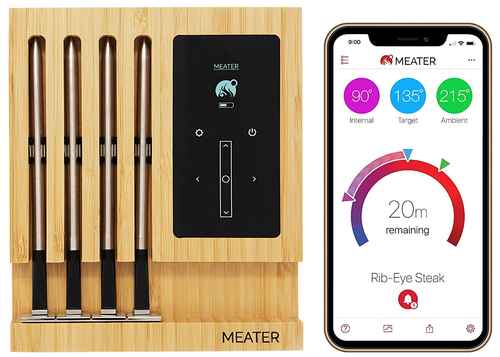
Internal Temperature: The most reliable method. Use a meat thermometer inserted into the thickest part of the fillet. Ideal temperatures:
- Rare: 50-52°C (122-125°F)
- Medium-rare: 55-57°C (130-135°F)
- Medium: 60-63°C (140-145°F)
- Well-done: 70°C+ (160°F+) – not recommended for this cut.
- Texture: Gently press the fillet. Rare should feel soft and yielding, medium-rare springy, and medium slightly firm but not tough.
- Juices: When you cut into the fillet, clear or slightly pink juices indicate it is done. Bright red juices suggest it needs more time.
Avoid relying solely on cooking time; every slow cooker varies slightly in heat distribution.
Ingredients Needed
To cook a slow-cooked beef eye fillet with depth and flavor, you will need:
- Beef eye fillet: 500g-1kg, trimmed of excess fat
- Vegetables (optional but recommended): Carrots, onions, celery, and garlic cloves
- Liquid base: Beef stock, red wine, or a combination (approx. 1 cup/250ml)
- Herbs: Fresh rosemary, thyme, and bay leaves
- Seasoning: Salt, pepper, and optional smoked paprika or mustard for extra depth
- Olive oil or butter: For initial searing (enhances flavor)
These ingredients allow the slow cooker to develop a rich, aromatic environment without overwhelming the delicate flavor of the fillet.
How To Cook Beef Eye Fillet In Slow Cooker
- Prepare the fillet: Pat dry, season generously with salt and pepper. Optionally, rub with garlic or herbs.
- Sear for flavor: In a hot skillet, sear the fillet on all sides until golden brown. This locks in juices and adds caramelized depth.
- Prepare the slow cooker: Layer the bottom with sliced vegetables. Add fresh herbs and your liquid base.
- Add the fillet: Place the seared fillet on top of the vegetables. Pour over any remaining pan juices.
- Cook: Set the slow cooker on low for 2-3 hours, checking the internal temperature after 2 hours. Avoid lifting the lid frequently.
- Rest: Once done, let the fillet rest for 10-15 minutes before slicing. This allows the juices to redistribute.
Optional: You can thicken the cooking liquid into a sauce by simmering it separately with a little cornstarch or flour.
When Things Go Wrong
Even with careful attention, mistakes can happen:
- Overcooked meat: Results in dry texture. Solution: Slice thinly and serve with sauce to mask dryness.
- Undercooked: Simply return the fillet to the slow cooker, covering and cooking in 10-15 minute increments.
- Lack of flavor: Use more aromatics, sear the fillet first, or deglaze the pan with wine to capture the caramelized flavor.
Slow cooking is forgiving, but delicate cuts like eye fillet demand extra vigilance.
Expert Tips
- Sear first: Never skip searing; it transforms the flavor entirely.
- Use a meat thermometer: Saves guesswork and prevents overcooking.
- Layering vegetables: Placing the fillet on a bed of vegetables keeps it elevated, allowing even cooking and preventing direct contact with liquid.
- Minimal liquid: Unlike tougher cuts, eye fillet does not need to be submerged. Too much liquid dilutes the natural beef flavor.
- Resting: Critical to preserve juices and tenderness.
Can I Do This Without A Slow Cooker?
Absolutely. You can achieve similar results in an oven using a low-temperature roasting method:
- Preheat oven to 120-140°C (250-285°F).
- Sear the fillet in a hot skillet.
- Place on a roasting tray with vegetables and liquid.
- Roast for 25-40 minutes, depending on size and desired doneness, checking with a thermometer.
The principle is the same: low, gentle heat with moisture and aromatics.
Reheating Leftovers In Slow Cooker
Reheating eye fillet is delicate because it’s prone to drying out:
- Slice into portions before reheating.
- Place in slow cooker on low heat, adding a splash of beef stock or gravy.
- Heat gently for 30-45 minutes until warmed through.
Avoid high heat, which will overcook the already tender fillet.
FAQs
What Is The Best Way To Prepare Beef Eye Fillet For The Slow Cooker?
Trim any excess fat and silver skin from the beef eye fillet. Season it with salt, pepper, and any preferred herbs or spices. Searing the fillet in a hot pan before adding it to the slow cooker helps develop flavor and a richer color.
Should I Use A High Or Low Setting On The Slow Cooker For Beef Eye Fillet?
Use the low setting for 4-6 hours for tender, evenly cooked meat. High settings can be used, but the meat may cook unevenly and lose some tenderness.
Do I Need To Add Liquid When Cooking Beef Eye Fillet In A Slow Cooker?
Yes, adding a small amount of liquid such as beef stock, wine, or broth is recommended. The liquid helps maintain moisture and prevents the meat from drying out, although eye fillet is naturally lean and tender.
Can I Cook Beef Eye Fillet With Vegetables In The Slow Cooker?
Absolutely. Root vegetables like carrots, potatoes, and onions work well. Place them at the bottom of the slow cooker to ensure even cooking, as they take longer to soften than the meat.
How Long Does It Take To Cook Beef Eye Fillet In A Slow Cooker?
On low heat, it usually takes 4-6 hours depending on the thickness of the fillet. On high heat, it may take 2-3 hours. Use a meat thermometer to ensure proper doneness.
What Is The Ideal Internal Temperature For Slow-cooked Beef Eye Fillet?
For medium-rare, aim for 55-57°C (130-135°F). For medium, 60-63°C (140-145°F). Slow cooking can slightly raise the internal temperature even after removal, so consider resting the meat for 10-15 minutes.
Do I Need To Sear The Beef Eye Fillet Before Slow Cooking?
Searing is optional but recommended. It enhances flavor through caramelization and can improve the appearance of the final dish. Sear the fillet for 2-3 minutes on each side in a hot pan before placing it in the slow cooker.
Can I Use Frozen Beef Eye Fillet In A Slow Cooker?
It is not recommended to use frozen beef eye fillet, as it can cook unevenly and potentially remain in the temperature danger zone too long, increasing food safety risks. Thaw the meat fully before slow cooking.
How Do I Prevent The Beef Eye Fillet From Drying Out In The Slow Cooker?
Use low heat, add a small amount of liquid, and avoid overcooking. Wrapping the fillet in foil or cooking it on a bed of vegetables can also help retain moisture.
What Are Some Seasoning Options For Beef Eye Fillet In A Slow Cooker?
Classic options include garlic, rosemary, thyme, black pepper, and onion. You can also experiment with soy sauce, Worcestershire sauce, mustard, or red wine for richer flavors. Marinating the fillet beforehand enhances taste and tenderness.