
How To Cook Beef Eye Round Roast In Slow Cooker [GUIDE]
The beef eye of round roast is a lean, cylindrical cut from the rear leg of the cow, prized for its mild flavor and versatility. Often overlooked in favor of fattier cuts like ribeye or chuck, the eye of round can become exceptionally tender and flavorful when cooked properly. Its leanness, however, means it is prone to drying out if overcooked, making it a perfect candidate for slow cooking. A slow cooker, or Crock-Pot, allows for gradual heat to penetrate the meat, breaking down tough muscle fibers and connective tissue over time. The result is a roast that retains its flavor, becomes tender, and can be infused with aromatics, herbs, and sauces to elevate a simple cut of beef into a comforting, melt-in-your-mouth meal.
Cooking a beef eye round roast in a slow cooker isn’t just about convenience-it’s about maximizing flavor and texture while minimizing effort. With a few simple steps, the humble eye round can rival more expensive, fattier cuts, producing a roast that is both lean and satisfying.
Contents
- 1 How Long To Cook Beef Eye Round Roast In Slow Cooker
- 2 How To Tell If It Is Done
- 3 Ingredients Needed
- 4 How To Cook Beef Eye Round Roast In Slow Cooker
- 5 When Things Go Wrong
- 6 Expert Tips
- 7 Can I Do This Without A Slow Cooker?
- 8 Reheating Leftovers In Slow Cooker
- 9 FAQs
- 9.1 What Is The Best Way To Prepare Beef Eye Round Roast For The Slow Cooker?
- 9.2 Should I Use Liquid In The Slow Cooker When Cooking Beef Eye Round Roast?
- 9.3 What Is The Ideal Cooking Time For Beef Eye Round Roast In A Slow Cooker?
- 9.4 How Can I Ensure My Beef Eye Round Roast Stays Tender In The Slow Cooker?
- 9.5 Should I Add Vegetables To The Slow Cooker With The Beef Eye Round Roast?
- 9.6 Can I Use A Marinade For Beef Eye Round Roast In The Slow Cooker?
- 9.7 How Should I Slice Beef Eye Round Roast After Slow Cooking?
- 9.8 Can I Use Frozen Beef Eye Round Roast In The Slow Cooker?
- 9.9 How Can I Make A Flavorful Gravy From The Slow Cooker Juices?
- 9.10 What Herbs And Seasonings Work Best With Beef Eye Round Roast In A Slow Cooker?
How Long To Cook Beef Eye Round Roast In Slow Cooker
Cooking times for beef eye round roast in a slow cooker depend on the size of the roast, the slow cooker’s heat setting, and whether you prefer slices that are medium-rare or thoroughly tender. On average:
- Low heat setting: 7-9 hours
- High heat setting: 4-5 hours
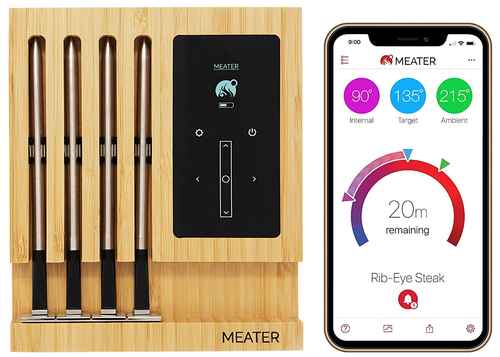
For a typical 3-pound roast, cooking on low is generally recommended. The slow and steady heat allows the connective tissues in this lean cut to gently break down, producing a tender roast without drying it out. Overcooking, especially on high, can result in a dry texture, as the eye of round lacks the marbling of fattier cuts. Using a meat thermometer in tandem with timing ensures precise doneness.
How To Tell If It Is Done
Determining doneness for eye of round requires attention to both internal temperature and texture:
- Medium-rare: 125-130°F (51-54°C)
- Medium: 135-140°F (57-60°C)
- Medium-well: 145-150°F (63-66°C)
Since the eye round is lean, many prefer it medium to medium-well to avoid a dry finish. For ultimate tenderness suitable for shredding or slicing thin, cooking until the meat reaches 160-170°F (71-77°C) is common. A fork test can complement temperature readings: gently insert a fork and twist. If it slides in easily and meat fibers begin to separate, it is ready. For a roast intended for slicing, resist the temptation to overcook; for shredding or pulled beef, longer cooking is often ideal.
Ingredients Needed
A simple list of ingredients ensures maximum flavor without overwhelming the delicate beef:
- 3-4 lb beef eye round roast
- 2 tablespoons olive oil or vegetable oil
- 1-2 cups beef broth or stock (low sodium preferred)
- 1 medium onion, sliced
- 3-4 cloves garlic, minced
- 2-3 carrots, cut into chunks
- 2-3 celery stalks, cut into chunks
- 2-3 sprigs fresh rosemary or 1 teaspoon dried rosemary
- 2-3 sprigs fresh thyme or 1 teaspoon dried thyme
- Salt and black pepper to taste
- Optional: 1-2 tablespoons Worcestershire sauce, soy sauce, or balsamic vinegar for added depth
These ingredients allow the beef to slowly absorb aromatics, keeping it moist and flavorful while creating a natural gravy-like sauce at the bottom of the slow cooker.
How To Cook Beef Eye Round Roast In Slow Cooker
- Prepare the roast: Pat the beef dry with paper towels. Season generously with salt and pepper.
- Sear for flavor: Heat oil in a large skillet over medium-high heat. Brown the roast on all sides for 2-3 minutes per side. This caramelization intensifies the flavor and adds depth to the final dish.
- Layer vegetables and aromatics: Place onions, garlic, carrots, and celery at the bottom of the slow cooker. Add rosemary and thyme.
- Add liquid: Pour beef broth (or stock) over the vegetables. Optional: add Worcestershire sauce or balsamic vinegar for complexity.
- Cook slowly: Place the seared roast on top of the vegetables. Cover and cook on low for 7-9 hours, or on high for 4-5 hours, depending on your preferred doneness.
- Check for doneness: Use a meat thermometer or fork test as outlined above. Remove roast and allow it to rest for 10-15 minutes before slicing.
- Serve: Slice against the grain to maximize tenderness. Spoon vegetables and cooking juices over the top for extra flavor.
When Things Go Wrong
Even with a slow cooker, things can go awry:
- Meat is dry: Likely overcooked or too lean without enough liquid. Slice thinly and serve with sauce or gravy to restore moisture.
- Vegetables are mushy: This is normal due to long cooking times. Reduce vegetable size or add them halfway through cooking next time.
- Undercooked roast: If the roast is not done, continue slow cooking in 30-60 minute increments and check frequently.
Expert Tips
- Sear first: Always sear the roast to lock in flavor and prevent a bland outcome.
- Use aromatics liberally: Herbs, garlic, and onion infuse slow-cooked meat with richer taste.
- Avoid lifting the lid frequently: Every time you lift the lid, you release heat and extend cooking time.
- Consider a marinade: For extra tenderness, marinate overnight in beef broth, soy sauce, and herbs.
- Rest before slicing: Allow the roast to rest 10-15 minutes to let juices redistribute, preventing dryness.
Can I Do This Without A Slow Cooker?
Yes. An oven or stovetop braise can replicate slow cooker results:
- Oven: Preheat to 275°F (135°C). Brown the roast, place in a covered Dutch oven with broth and vegetables, and cook for 3-4 hours until tender.
- Stovetop: Simmer gently in a heavy-bottomed pot over low heat with broth and vegetables, covered, for 3-4 hours.
The key is low, consistent heat over time to break down the lean fibers without drying out the meat.
Reheating Leftovers In Slow Cooker
Leftover eye round roast can be reheated gently in a slow cooker:
- Slice the meat thinly against the grain.
- Place in slow cooker with a splash of beef broth to maintain moisture.
- Heat on low for 1-2 hours until warmed through.
- Avoid high heat, which can dry out the already cooked lean meat.
Alternatively, leftovers can be reheated in a covered pan on the stovetop over low heat with added broth.
FAQs
What Is The Best Way To Prepare Beef Eye Round Roast For The Slow Cooker?
Trim excess fat and silver skin from the roast. Season it generously with salt, pepper, and any desired herbs or spices. Searing the roast in a hot pan for 2-3 minutes on each side before placing it in the slow cooker can enhance flavor and lock in juices.
Should I Use Liquid In The Slow Cooker When Cooking Beef Eye Round Roast?
Yes. Adding 1 to 2 cups of liquid such as beef broth, wine, or a mixture of broth and water helps maintain moisture and prevents the roast from drying out. The liquid also becomes a flavorful base for gravy or sauces.
What Is The Ideal Cooking Time For Beef Eye Round Roast In A Slow Cooker?
Cook on low for 6 to 8 hours or on high for 3 to 4 hours. Cooking on low is preferred for tender, evenly cooked meat, while high can be used if time is limited. Exact timing may vary based on the roast size and slow cooker model.
How Can I Ensure My Beef Eye Round Roast Stays Tender In The Slow Cooker?
Avoid overcooking, as eye round is a lean cut and can become tough. Cook on low heat for a longer period and allow the roast to rest in the slow cooker for 10-15 minutes after cooking before slicing to retain juices.
Should I Add Vegetables To The Slow Cooker With The Beef Eye Round Roast?
Yes, adding root vegetables like carrots, potatoes, and onions is common. Place denser vegetables on the bottom, closer to the heat source, and the roast on top to ensure even cooking.
Can I Use A Marinade For Beef Eye Round Roast In The Slow Cooker?
Yes, marinating the roast for several hours or overnight can enhance flavor and tenderness. Use acidic ingredients like vinegar, wine, or citrus in moderation, as excessive acidity can alter texture if left too long.
How Should I Slice Beef Eye Round Roast After Slow Cooking?
Slice against the grain into thin slices. This shortens the muscle fibers and results in more tender, easier-to-chew portions. Always slice just before serving for best texture.
Can I Use Frozen Beef Eye Round Roast In The Slow Cooker?
It is not recommended to cook a frozen roast directly in the slow cooker. Slow cookers may leave meat in the temperature danger zone too long, promoting bacterial growth. Thaw completely in the refrigerator first.
How Can I Make A Flavorful Gravy From The Slow Cooker Juices?
Remove the roast and vegetables, then strain the liquid. Skim excess fat, then heat the liquid in a pan and thicken with a slurry of cornstarch or flour mixed with water. Adjust seasoning to taste.
What Herbs And Seasonings Work Best With Beef Eye Round Roast In A Slow Cooker?
Common choices include garlic, rosemary, thyme, bay leaves, black pepper, and paprika. These complement the beef’s flavor without overpowering it. Fresh herbs can be added at the end of cooking for a brighter taste.