
How To Cook Boneless Leg Of Lamb In Slow Cooker [GUIDE]
The boneless leg of lamb is a cut celebrated for its tenderness, rich flavor, and versatility in a variety of cuisines. Unlike bone-in cuts, the boneless leg offers ease of carving and consistency in cooking, making it an ideal choice for slow cooking. Using a slow cooker to prepare this cut transforms it into a melt-in-your-mouth dish, as the gentle, consistent heat breaks down the connective tissue and infuses the meat with deep, savory flavors. Slow cooking also allows for a hands-off approach-perfect for busy days or special dinners-while yielding a succulent, aromatic centerpiece. Whether paired with garlic and rosemary, layered with vegetables, or enriched with a wine-based sauce, slow-cooked boneless leg of lamb is a dish that feels both elegant and comforting.
Contents
- 1 How Long To Cook Boneless Leg Of Lamb In Slow Cooker
- 2 How To Tell If It Is Done
- 3 Ingredients Needed
- 4 How To Cook Boneless Leg Of Lamb In Slow Cooker
- 5 When Things Go Wrong
- 6 Expert Tips
- 7 Can I Do This Without A Slow Cooker?
- 8 Reheating Leftovers In Slow Cooker
- 9 FAQs
- 9.1 What Is The Best Way To Prepare A Boneless Leg Of Lamb For The Slow Cooker?
- 9.2 Do I Need To Sear The Lamb Before Slow Cooking?
- 9.3 What Is The Ideal Cooking Time And Temperature For A Boneless Leg Of Lamb In A Slow Cooker?
- 9.4 What Liquid Should I Use In The Slow Cooker?
- 9.5 Should The Lamb Be Covered While Slow Cooking?
- 9.6 How Can I Tell When The Lamb Is Done?
- 9.7 Can I Add Vegetables To Cook With The Lamb?
- 9.8 How Do I Prevent The Lamb From Drying Out?
- 9.9 Can I Cook A Frozen Boneless Leg Of Lamb In The Slow Cooker?
- 9.10 How Should I Store Leftovers?
How Long To Cook Boneless Leg Of Lamb In Slow Cooker
Cooking time for a boneless leg of lamb in a slow cooker depends on several factors: the size of the roast, whether you’re cooking on low or high, and the texture you desire. As a general guideline:
- Low setting: 6 to 8 hours
- High setting: 3 to 4 hours
These times are ideal for a 3-4 pound boneless leg. Larger roasts may require extra time. Cooking on low is preferred, as it allows the connective tissues to break down gradually, resulting in tender, juicy meat that shreds easily. On high, the lamb cooks faster but requires closer monitoring to avoid drying out.
How To Tell If It Is Done
Determining doneness is crucial for both safety and flavor. Unlike oven roasting, slow cooking doesn’t produce a crisp exterior, so internal temperature and texture are key indicators.
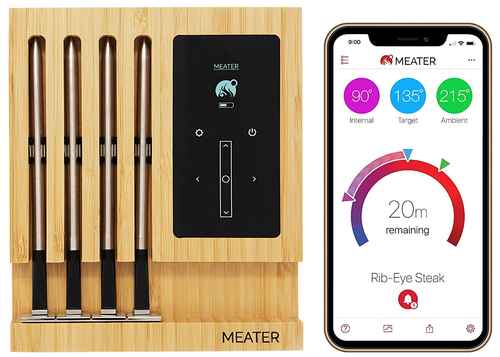
- Internal temperature: Use a meat thermometer. The USDA recommends lamb reach 145°F (63°C) for medium-rare, 160°F (71°C) for medium, and 170°F (77°C) for well-done. Slow cooking typically pushes the meat toward medium-well, ideal for shredding.
- Texture test: Done lamb should be fork-tender, pulling apart easily with gentle pressure. If the meat resists, it likely needs more time.
- Juices: When pricked, the juices should run clear, not red or pink.
Ingredients Needed
To craft a flavorful slow-cooked lamb, you’ll need a balance of herbs, aromatics, and liquid to create a moist, savory environment:
- Boneless leg of lamb (3-4 pounds)
- Olive oil (2-3 tablespoons for searing)
- Garlic cloves (4-6, minced or sliced)
- Fresh rosemary (2-3 sprigs)
- Fresh thyme (2-3 sprigs)
- Onion (1 large, sliced)
- Carrots and celery (optional, cut into chunks)
- Salt and black pepper (to taste)
- Red wine or broth (1 cup, for moisture and flavor)
- Lemon juice (optional, for brightness)
Additional flavor boosters can include mustard, balsamic vinegar, or dried herbs for depth.
How To Cook Boneless Leg Of Lamb In Slow Cooker
- Prepare the meat: Trim excess fat and pat the lamb dry. Generously season with salt, pepper, and herbs.
- Sear (optional but recommended): Heat olive oil in a skillet and brown the lamb on all sides to develop a caramelized crust, locking in flavor.
- Layer aromatics: Place onions, garlic, and optional vegetables at the bottom of the slow cooker.
- Add the lamb: Position the lamb on top of the aromatics. Pour in wine or broth to provide moisture and prevent drying.
- Cook: Cover and cook on low for 6-8 hours or on high for 3-4 hours. Avoid opening the lid frequently, as this releases heat and prolongs cooking.
- Rest and serve: Remove the lamb and let it rest for 10-15 minutes before slicing or shredding. This helps the juices redistribute for a moist result.
When Things Go Wrong
Even with slow cookers, mishaps can occur:
- Dry meat: Often caused by cooking too long or insufficient liquid. Avoid by monitoring cooking times and adding broth if needed.
- Tough texture: Usually results from undercooking. Check tenderness before serving; the meat should pull apart easily.
- Overly strong flavor: Too much garlic, herbs, or wine can overpower the lamb. Balance with mild aromatics or add more broth.
Expert Tips
- Sear first: While optional, browning the lamb adds depth through Maillard reactions.
- Herbs and aromatics: Insert slivers of garlic and rosemary directly into small cuts in the meat for maximum flavor infusion.
- Layering matters: Place heavier vegetables like carrots underneath the lamb so they cook evenly.
- Check liquid level: Ensure the slow cooker has enough moisture but avoid submerging the meat entirely-this can dilute flavor.
- Resting is crucial: Never skip resting; it ensures tender, juicy slices.
Can I Do This Without A Slow Cooker?
Yes. An oven or stovetop method can replicate slow-cooker results:
- Oven: Roast at 275-300°F (135-150°C) in a covered Dutch oven for 3-4 hours until tender.
- Stovetop: Simmer in a heavy pot with liquid, covered, on very low heat for 3-4 hours, stirring occasionally.
The key is low, slow, and moist heat to break down connective tissue without drying out the meat.
Reheating Leftovers In Slow Cooker
Leftover lamb can be gently reheated in a slow cooker to maintain tenderness:
- Slice or shred the meat.
- Add a splash of broth or reserved cooking juices to prevent drying.
- Cover and heat on low for 1-2 hours, stirring occasionally. Avoid high heat, which can toughen the meat.
FAQs
What Is The Best Way To Prepare A Boneless Leg Of Lamb For The Slow Cooker?
Trim excess fat from the lamb and pat it dry. Optionally, marinate it for several hours or overnight with herbs, garlic, olive oil, and spices to enhance flavor before placing it in the slow cooker.
Do I Need To Sear The Lamb Before Slow Cooking?
Searing the lamb in a hot pan before slow cooking is recommended to develop a rich, caramelized flavor and seal in juices. However, it is optional if you are short on time.
What Is The Ideal Cooking Time And Temperature For A Boneless Leg Of Lamb In A Slow Cooker?
Cook on low for 6 to 8 hours or on high for 3 to 4 hours. Slow cooking on low is preferable as it produces more tender and flavorful meat.
What Liquid Should I Use In The Slow Cooker?
Use a combination of broth, wine, or water to maintain moisture. Typically, 1 to 2 cups of liquid are sufficient. You can also add aromatics like garlic, onions, or herbs for extra flavor.
Should The Lamb Be Covered While Slow Cooking?
Yes, always cover the slow cooker with its lid to trap heat and moisture, ensuring the meat cooks evenly and remains tender.
How Can I Tell When The Lamb Is Done?
The lamb should reach an internal temperature of 145°F (63°C) for medium-rare and 160°F (71°C) for medium. The meat should also be tender and easily pull apart with a fork.
Can I Add Vegetables To Cook With The Lamb?
Yes, root vegetables like carrots, potatoes, and parsnips are excellent choices. Place firmer vegetables at the bottom of the slow cooker and layer the lamb on top for even cooking.
How Do I Prevent The Lamb From Drying Out?
Ensure there is enough liquid in the slow cooker, avoid lifting the lid frequently, and cook at low temperature for a longer time to retain moisture.
Can I Cook A Frozen Boneless Leg Of Lamb In The Slow Cooker?
It is not recommended to cook lamb from frozen in a slow cooker because it may remain in the temperature danger zone too long, increasing the risk of bacterial growth. Thaw the lamb completely before cooking.
How Should I Store Leftovers?
Cool leftovers quickly and store them in an airtight container in the refrigerator for up to 3 to 4 days, or freeze for up to 2 months. Reheat gently to prevent the meat from drying out.