
How To Cook Boneless Pork Roast In Slow Cooker [GUIDE]
Few dishes embody comfort and home-cooked satisfaction quite like a slow-cooked pork roast. A boneless pork roast, with its tender texture and rich flavor, becomes a centerpiece when cooked low and slow. Unlike oven roasting, which requires vigilant temperature monitoring, a slow cooker allows the pork to gently braise in its own juices, often accompanied by a medley of vegetables and aromatic seasonings. This method not only enhances the natural flavors but also ensures a melt-in-your-mouth texture that’s difficult to achieve through other cooking techniques. Slow-cooked pork is versatile, making it suitable for everything from family dinners to meal prep for the week. In this guide, we’ll dive deeply into how to cook a boneless pork roast in a slow cooker, covering timing, techniques, troubleshooting, and expert insights to elevate your culinary results.
Contents
- 1 How Long To Cook Boneless Pork Roast In Slow Cooker
- 2 How To Tell If It Is Done
- 3 Ingredients Needed
- 4 How To Cook Boneless Pork Roast In Slow Cooker
- 5 When Things Go Wrong
- 6 Expert Tips
- 7 Can I Do This Without A Slow Cooker?
- 8 Reheating Leftovers In Slow Cooker
- 9 FAQs
- 9.1 What Is The Best Cut Of Boneless Pork Roast For A Slow Cooker?
- 9.2 How Long Should I Cook A Boneless Pork Roast In A Slow Cooker?
- 9.3 Should I Sear The Pork Roast Before Putting It In The Slow Cooker?
- 9.4 What Liquids Can I Add To The Slow Cooker For A Pork Roast?
- 9.5 Can I Add Vegetables To Cook With The Pork Roast?
- 9.6 How Do I Know When The Pork Roast Is Fully Cooked?
- 9.7 Can I Cook A Frozen Boneless Pork Roast In A Slow Cooker?
- 9.8 How Can I Prevent The Pork Roast From Drying Out?
- 9.9 Can I Make A Gravy Or Sauce From The Slow Cooker Juices?
- 9.10 How Long Can I Store Leftover Slow-cooked Pork Roast?
How Long To Cook Boneless Pork Roast In Slow Cooker
Timing is the linchpin of slow-cooked perfection. A boneless pork roast typically weighs between 2 and 4 pounds, and cooking times vary depending on the temperature setting of your slow cooker:
- Low heat: Approximately 6-8 hours. This is the ideal method for tender, juicy meat, as the slow heat allows connective tissues to break down gradually.
- High heat: Approximately 3-4 hours. This can work if you’re pressed for time, but there’s a slightly higher risk of drying the meat if it’s cooked too quickly.
The type of pork roast also matters. A pork shoulder (also called Boston butt) has more marbling and connective tissue, which benefits from longer cooking times. A loin roast, leaner in nature, requires slightly less time and careful attention to prevent dryness.
Remember, slow cooking isn’t about precision to the minute but rather understanding the ’feel’ of the roast and allowing ample time for collagen to convert into gelatin, producing tender, succulent meat.
How To Tell If It Is Done
Determining doneness in slow-cooked pork isn’t just about timing-it’s about texture, temperature, and appearance:
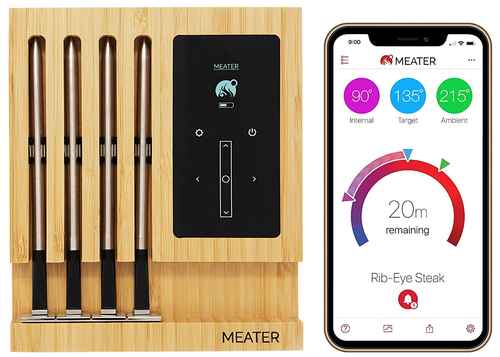
- Internal Temperature: Use a meat thermometer to check. The USDA recommends an internal temperature of 145°F (63°C) for pork. However, for slow-cooked roasts that need shredding, aiming for 190-205°F (88-96°C) ensures connective tissues have fully broken down.
- Texture Test: Insert a fork into the roast. If it slides in with little resistance and the meat begins to shred easily, your roast is done.
- Juice Color: Clear juices, rather than pink or red, indicate doneness.
- Appearance: The surface should have a slight caramelization or browning if you seared it beforehand, while the interior remains moist.
Combining these methods ensures your roast is safe to eat and texturally perfect.
Ingredients Needed
To make a delicious slow-cooked boneless pork roast, you’ll need a combination of basic pantry staples and flavorful aromatics:
- 1 boneless pork roast (2-4 pounds, shoulder or loin)
- 2 tablespoons olive oil (for optional searing)
- 1 cup broth (chicken, vegetable, or beef)
- 2-3 cloves garlic, minced
- 1 onion, sliced or chopped
- 1-2 teaspoons salt
- 1 teaspoon black pepper
- 1 teaspoon smoked paprika (optional, for depth of flavor)
- 1-2 teaspoons fresh herbs (rosemary, thyme, or sage)
- Vegetables (optional: carrots, potatoes, celery)
Optional ingredients for additional flavor: apple cider, mustard, soy sauce, or balsamic vinegar. These can create a subtle sweetness or tang that enhances the pork.
How To Cook Boneless Pork Roast In Slow Cooker
- Prepare the Meat: Pat the pork roast dry with paper towels. Season generously with salt, pepper, paprika, and any other herbs or spices.
- Optional Sear: Heat olive oil in a skillet over medium-high heat. Sear the roast on all sides until browned. This step locks in flavor and adds a rich depth to the finished dish.
- Layer Ingredients: Place onions and any root vegetables at the bottom of the slow cooker. Set the roast on top, then add garlic, broth, and optional flavorings.
- Set the Cooker: Cover and cook on low for 6-8 hours or high for 3-4 hours. Avoid lifting the lid frequently, as heat loss slows the cooking process.
- Check for Doneness: Use a meat thermometer and fork test as described above.
- Rest Before Slicing: Allow the roast to rest for 10-15 minutes outside the slow cooker to retain juices before carving or shredding.
When Things Go Wrong
Even slow cooking has pitfalls:
- Dry Meat: Often caused by cooking lean cuts at high heat for too long. Solution: add more liquid or wrap the roast in foil during cooking.
- Undercooked Center: Typically from using a thick roast or insufficient cooking time. Solution: extend cooking time and check with a thermometer.
- Mushy Vegetables: Root vegetables can overcook if placed at the bottom. Solution: cut larger pieces or add halfway through cooking.
- Flavorless Meat: This occurs if seasoning is insufficient. Solution: season the meat well before cooking and adjust broth or sauce for flavor balance.
Expert Tips
- Sear for Flavor: Even though slow cooking tenderizes meat, searing adds caramelized notes that elevate taste.
- Use the Right Cut: Shoulder or Boston butt yields the juiciest results due to higher fat content.
- Layer Wisely: Place vegetables under the meat to absorb juices and prevent burning.
- Avoid Overcrowding: Slow cookers work best when air can circulate around the roast.
- Enhance Sauce: After cooking, remove the roast, then simmer the juices on high to reduce into a concentrated sauce.
Can I Do This Without A Slow Cooker?
Yes! If you don’t have a slow cooker, you can use:
- Oven Braising: Preheat oven to 300°F (150°C). Brown the roast, then cook covered in a roasting pan with liquid for 3-4 hours.
- Instant Pot/Pressure Cooker: Set to high pressure for 60-90 minutes, depending on size, then naturally release. This yields tender meat faster but requires careful timing.
Both methods replicate slow cooker results but demand closer attention to prevent drying or overcooking.
Reheating Leftovers In Slow Cooker
Reheating a pork roast in a slow cooker preserves moisture better than a microwave:
- Slice or shred the leftover pork.
- Place in the slow cooker with a splash of broth or sauce to prevent drying.
- Heat on low for 1-2 hours until thoroughly warmed.
Avoid high heat for reheating, as it can toughen the meat.
FAQs
What Is The Best Cut Of Boneless Pork Roast For A Slow Cooker?
The most suitable cuts for slow cooking are pork shoulder (also called Boston butt) and pork loin. Pork shoulder has more marbling and connective tissue, which breaks down during slow cooking, resulting in tender, juicy meat. Pork loin is leaner and requires careful cooking to avoid drying out.
How Long Should I Cook A Boneless Pork Roast In A Slow Cooker?
Cooking time depends on the size of the roast and the heat setting. Generally, a 3-4 pound boneless pork roast takes 6-8 hours on low or 4-5 hours on high. Larger roasts may require additional time, while smaller roasts may cook faster.
Should I Sear The Pork Roast Before Putting It In The Slow Cooker?
Searing the pork roast in a hot skillet before slow cooking is optional but recommended. It enhances flavor through the Maillard reaction and gives the roast a richer color. However, it is not necessary for tenderness, as slow cooking will naturally make the meat tender.
What Liquids Can I Add To The Slow Cooker For A Pork Roast?
Common liquids include broth (chicken, beef, or vegetable), water, apple cider, or a mixture of sauces like soy sauce, Worcestershire sauce, or barbecue sauce. Liquids help maintain moisture, prevent burning, and enhance flavor. Usually, 1/2 to 1 cup is sufficient, as pork releases additional juices during cooking.
Can I Add Vegetables To Cook With The Pork Roast?
Yes, root vegetables like carrots, potatoes, and onions work well with pork roasts. Place vegetables at the bottom of the slow cooker to ensure even cooking. Avoid delicate vegetables like zucchini or bell peppers early in the cooking process, as they may overcook.
How Do I Know When The Pork Roast Is Fully Cooked?
The internal temperature is the most reliable indicator. Use a meat thermometer to ensure it reaches 145°F (63°C) for medium doneness, followed by a 3-minute rest. For shreddable pulled pork, cook until it reaches 195-205°F (90-96°C).
Can I Cook A Frozen Boneless Pork Roast In A Slow Cooker?
It is not recommended to cook pork from frozen in a slow cooker due to safety concerns. Slow cookers heat meat slowly, which may leave the center in the temperature ’danger zone’ for too long, increasing the risk of bacterial growth. Thaw the pork completely before cooking.
How Can I Prevent The Pork Roast From Drying Out?
To prevent dryness, use a cut with some fat, add enough liquid to the slow cooker, and cook on low rather than high if possible. Covering the roast with sauce or broth and avoiding lifting the lid frequently will help retain moisture.
Can I Make A Gravy Or Sauce From The Slow Cooker Juices?
Yes, the liquid left in the slow cooker can be thickened into a gravy. Remove excess fat, then simmer the liquid on the stovetop with cornstarch or flour to achieve the desired consistency. You can also enhance flavor with herbs, mustard, or cream.
How Long Can I Store Leftover Slow-cooked Pork Roast?
Cooked pork roast can be stored in an airtight container in the refrigerator for 3-4 days. For longer storage, freeze the meat for up to 3 months. Reheat gently in the oven or microwave to maintain moisture.