
How To Cook Boneless Turkey Breast In Slow Cooker [GUIDE]
Cooking a boneless turkey breast in a slow cooker is one of the easiest ways to achieve a moist, flavorful, and tender meal without the stress of constant monitoring. Unlike oven roasting, which can easily dry out lean turkey breast, slow cooking allows the meat to slowly absorb flavors while maintaining its natural juices. Whether you’re preparing a small family dinner, a holiday feast, or just want to simplify weeknight cooking, using a slow cooker is a hands-off approach that delivers consistent results. In addition, slow cooking enhances the natural sweetness of the turkey, allows seasoning to permeate deeply, and can free up oven space for side dishes. The process may seem simple, but there are subtleties to ensure your turkey comes out perfectly every time.
Contents
- 1 How Long To Cook Boneless Turkey Breast In Slow Cooker
- 2 How To Tell If It Is Done
- 3 Ingredients Needed
- 4 How To Cook Boneless Turkey Breast In Slow Cooker
- 5 When Things Go Wrong
- 6 Expert Tips
- 7 Can I Do This Without A Slow Cooker?
- 8 Reheating Leftovers In Slow Cooker
- 9 FAQs
- 9.1 What Is The Recommended Cooking Time For Boneless Turkey Breast In A Slow Cooker?
- 9.2 Should I Sear The Turkey Breast Before Slow Cooking?
- 9.3 How Much Liquid Should I Add To The Slow Cooker?
- 9.4 Can I Add Vegetables To Cook With The Turkey Breast?
- 9.5 How Do I Ensure The Turkey Breast Stays Moist?
- 9.6 Can I Use Frozen Turkey Breast In The Slow Cooker?
- 9.7 Should I Remove The Skin Before Cooking?
- 9.8 What Seasonings Work Best For Slow-cooked Turkey Breast?
- 9.9 How Can I Make A Gravy From The Slow Cooker Drippings?
- 9.10 How Should I Store Leftovers?
How Long To Cook Boneless Turkey Breast In Slow Cooker
The cooking time for boneless turkey breast in a slow cooker varies depending on the size of the breast and the heat setting you choose. Generally:
- Low Setting: 5-7 hours
- High Setting: 3-4 hours
A general rule is to allow roughly 30-35 minutes per pound on high or 45-50 minutes per pound on low. These estimates can fluctuate based on the slow cooker model, the initial temperature of the turkey, and whether you include added liquids or vegetables. The key is to cook the turkey long enough to become tender but not so long that it becomes stringy or overcooked. Using a slow cooker liner or layering aromatics underneath the turkey can also affect cooking time slightly.
How To Tell If It Is Done
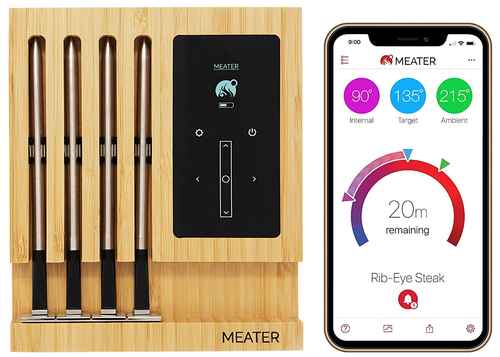
The most reliable method to check for doneness is using a meat thermometer. Insert it into the thickest part of the breast:
- Safe internal temperature: 165°F (74°C)
- Check multiple spots to ensure even cooking.
Other visual and tactile cues include:
- Meat should no longer be pink near the bone or center.
- Juices should run clear when pierced.
- The turkey should feel firm but springy rather than rubbery.
Avoid cutting the meat too early, as letting the turkey finish resting in the slow cooker helps redistribute juices and improve tenderness.
Ingredients Needed
For a basic yet flavorful slow-cooked boneless turkey breast, you will need:
- 2-4 lb boneless turkey breast
- 1-2 cups low-sodium chicken or turkey broth
- 2-3 cloves garlic, minced
- 1 medium onion, sliced
- 2-3 sprigs fresh rosemary or 1 tsp dried rosemary
- 2-3 sprigs fresh thyme or 1 tsp dried thyme
- 1 tsp paprika (optional for color and flavor)
- 1 tsp salt (adjust to taste)
- ½ tsp black pepper
- 2 tbsp olive oil or melted butter
Optional additions for extra flavor: lemon slices, carrots, celery, apple slices, or a splash of white wine. These aromatics infuse the turkey with subtle, layered flavors during cooking.
How To Cook Boneless Turkey Breast In Slow Cooker
- Prepare the turkey: Pat the turkey breast dry and rub it with olive oil or butter. Season generously with salt, pepper, paprika, and herbs.
- Layer the slow cooker: Place sliced onions, garlic, and optional vegetables at the bottom to act as a natural rack.
- Add liquids: Pour in the broth or stock. This prevents the turkey from drying out and creates a flavorful base for pan juices or gravy.
- Position the turkey: Place the breast on top of the vegetables.
- Cook slowly: Cover and cook on low for 5-7 hours, or high for 3-4 hours, until the internal temperature reaches 165°F (74°C).
- Rest the meat: Remove from the slow cooker and let it rest for 10-15 minutes before slicing. This allows the juices to redistribute, ensuring moist meat.
When Things Go Wrong
Even with a slow cooker, mistakes happen:
- Turkey is dry: Likely overcooked or cooked without enough liquid. Solution: Slice thinly and serve with gravy or broth.
- Undercooked turkey: Increase cooking time and check temperature every 15-20 minutes.
- Flavorless meat: Next time, marinate overnight or use aromatic vegetables and herbs.
- Soggy bottom: Remove the turkey from any excess liquid before resting to avoid watery slices.
Expert Tips
- Sear first for flavor: Quickly browning the turkey in a skillet adds a deeper, caramelized taste.
- Don’t skip the liquid: Even a small amount helps maintain moisture.
- Layer aromatics strategically: Vegetables underneath prevent sticking and infuse flavor.
- Check temperature, not time: Slow cooker models vary-always prioritize internal temperature.
- Keep the lid closed: Resist peeking to avoid heat loss and extended cooking time.
Can I Do This Without A Slow Cooker?
Yes. An oven or Instant Pot can mimic the slow cooker method:
- Oven: Roast at 325°F (163°C) in a covered roasting pan for 20-25 minutes per pound.
- Instant Pot: Cook on high pressure for 25 minutes per pound, followed by a 10-minute natural release.
Both methods require careful monitoring of liquid and internal temperature to avoid dryness.
Reheating Leftovers In Slow Cooker
Reheating in a slow cooker keeps the turkey moist:
- Slice turkey into portions.
- Add a splash of broth or drippings.
- Heat on low for 1-2 hours or until warmed through.
Avoid high heat, which can dry the meat or make it stringy. Slow, gentle warming preserves texture and flavor.
FAQs
What Is The Recommended Cooking Time For Boneless Turkey Breast In A Slow Cooker?
Cooking time depends on the size of the turkey breast and the slow cooker setting. For a 2 to 4-pound boneless turkey breast, cook on low for 6 to 8 hours or on high for 3 to 4 hours. Always use a meat thermometer to ensure the internal temperature reaches 165°F (74°C).
Should I Sear The Turkey Breast Before Slow Cooking?
Searing is optional but recommended. Browning the turkey breast in a skillet for 3-4 minutes per side before placing it in the slow cooker can enhance flavor and improve the appearance of the final dish.
How Much Liquid Should I Add To The Slow Cooker?
Add enough liquid to cover the bottom of the slow cooker by about 1 inch. Common choices include chicken broth, turkey stock, or a mixture of broth and white wine. Excessive liquid is unnecessary because the slow cooker traps moisture.
Can I Add Vegetables To Cook With The Turkey Breast?
Yes, vegetables such as carrots, celery, onions, and potatoes can be added. Place root vegetables at the bottom, as they take longer to cook, and put the turkey breast on top to ensure even cooking.
How Do I Ensure The Turkey Breast Stays Moist?
Brining the turkey breast before cooking helps retain moisture. Additionally, avoid overcooking and keep the lid closed during cooking. Basting occasionally or adding a small amount of fat, like butter or olive oil, can also help.
Can I Use Frozen Turkey Breast In The Slow Cooker?
Yes, you can use frozen turkey breast, but it will increase the cooking time. Add 50% more time than you would for thawed turkey and ensure the internal temperature reaches 165°F (74°C) before serving.
Should I Remove The Skin Before Cooking?
Removing the skin is optional. Leaving the skin on can help retain moisture and add flavor. If you prefer a leaner option, remove the skin and add a small amount of fat or broth to prevent drying out.
What Seasonings Work Best For Slow-cooked Turkey Breast?
Classic seasonings include salt, pepper, garlic powder, onion powder, paprika, thyme, rosemary, and sage. You can also add a splash of lemon juice or white wine for extra flavor. Customize the seasoning to your taste preferences.
How Can I Make A Gravy From The Slow Cooker Drippings?
Remove the cooked turkey breast and keep the drippings. Skim excess fat, then pour the remaining liquid into a saucepan. Mix 1-2 tablespoons of flour or cornstarch with cold water to make a slurry and whisk it into the drippings over medium heat until thickened.
How Should I Store Leftovers?
Allow the turkey breast to cool slightly, then store in an airtight container in the refrigerator for up to 3-4 days. For longer storage, slice and freeze the turkey breast for up to 2-3 months. Reheat gently to avoid drying out.