
How To Cook Bottom Round Roast In Slow Cooker [GUIDE]
The bottom round roast, cut from the rear leg of the cow, is a lean, flavorful, yet often tough cut of beef that thrives under slow, steady cooking. Unlike prime rib or ribeye, it doesn’t possess a lot of marbling, which can make it chewy if not handled correctly. But this is where the slow cooker shines-transforming this economical cut into a tender, savory centerpiece with minimal effort. Slow cooking allows the connective tissue to break down gradually, infusing the meat with rich flavors while keeping it moist. Whether you’re preparing a comforting weeknight dinner, meal-prepping for the week, or hosting a casual gathering, mastering the bottom round roast in a slow cooker is a culinary skill that rewards patience and precision.
Contents
- 1 How Long To Cook Bottom Round Roast In Slow Cooker
- 2 How To Tell If It Is Done
- 3 Ingredients Needed
- 4 How To Cook Bottom Round Roast In Slow Cooker
- 5 When Things Go Wrong
- 6 Expert Tips
- 7 Can I Do This Without A Slow Cooker?
- 8 Reheating Leftovers In Slow Cooker
- 9 FAQs
- 9.1 What Is The Best Preparation Method For A Bottom Round Roast Before Slow Cooking?
- 9.2 How Long Should A Bottom Round Roast Cook In A Slow Cooker?
- 9.3 Should I Add Liquid When Cooking Bottom Round Roast In A Slow Cooker?
- 9.4 Can I Cook Vegetables With The Bottom Round Roast In The Slow Cooker?
- 9.5 How Can I Make A Flavorful Gravy From The Slow-cooked Bottom Round Roast?
- 9.6 Is It Necessary To Sear The Roast Before Slow Cooking?
- 9.7 Can I Use A Frozen Bottom Round Roast In The Slow Cooker?
- 9.8 What Are Common Mistakes To Avoid When Slow Cooking Bottom Round Roast?
- 9.9 How Do I Know When The Bottom Round Roast Is Done In The Slow Cooker?
- 9.10 Can Leftovers Of Slow-cooked Bottom Round Roast Be Stored Safely?
How Long To Cook Bottom Round Roast In Slow Cooker
Cooking time for a bottom round roast depends primarily on the size of the roast and the temperature setting of your slow cooker. As a general guideline:
- Low setting: 8-10 hours
- High setting: 4-6 hours
For a typical 3-4 pound roast, the low-and-slow method is preferred because it allows the lean meat to become tender without drying out. The low heat gently breaks down collagen and connective tissue, resulting in a roast that is fork-tender and flavorful. Avoid rushing the process by using high heat for the entire duration; while it cooks faster, it can lead to a less tender texture.
How To Tell If It Is Done
Unlike cuts rich in fat, the bottom round roast can easily become tough if overcooked, so checking for doneness is critical. Indicators include:
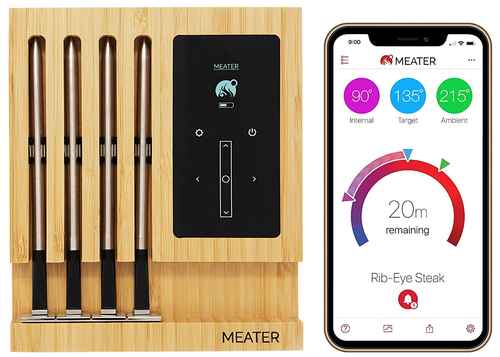
- Internal temperature: Aim for 195-205°F (90-96°C) for shreddable, fork-tender roast, or 145-150°F (63-66°C) if you prefer slicing.
- Texture test: Insert a fork into the thickest part of the roast. If it slides in easily and the meat starts to pull apart, it’s done.
- Juices: Clear juices running from the roast indicate it’s fully cooked, whereas pinkish juices suggest it needs more time.
Patience is key. Checking too early can mislead you, as the roast may appear cooked externally while still tough internally.
Ingredients Needed
To bring out the best in your bottom round roast, a balance of aromatics, seasonings, and optional vegetables is ideal:
- Beef: 3-4 pound bottom round roast
- Salt and black pepper: To taste
- Garlic: 3-4 cloves, minced or sliced
- Onion: 1 large, sliced or diced
- Carrots: 2-3, chopped into chunks
- Celery: 2 stalks, chopped
- Beef broth or stock: 1-2 cups for moisture and flavor
- Herbs: Thyme, rosemary, or bay leaves
- Optional additions: Red wine, Worcestershire sauce, or a splash of balsamic vinegar for depth
These ingredients create a rich, savory cooking environment that keeps the roast moist while imparting a complex, satisfying flavor.
How To Cook Bottom Round Roast In Slow Cooker
- Prepare the roast: Pat the roast dry and season generously with salt and pepper. Optionally, sear it in a hot skillet with a little oil for 2-3 minutes per side to enhance flavor and color.
- Layer aromatics: Place onions, carrots, and celery in the bottom of the slow cooker to create a flavorful base.
- Add roast: Set the seasoned or seared roast on top of the vegetables.
- Pour liquids: Add beef broth (or a mix of broth and wine), ensuring it reaches about halfway up the roast.
- Add herbs: Tuck in fresh herbs or bay leaves for aroma and flavor.
- Cook: Cover and cook on low for 8-10 hours or high for 4-6 hours. Avoid lifting the lid unnecessarily, as heat escapes and prolongs cooking time.
- Rest and serve: Once done, remove the roast and let it rest for 10-15 minutes before slicing or shredding. This allows the juices to redistribute, keeping the meat moist.
When Things Go Wrong
Even experienced cooks encounter slow-cooking pitfalls:
- Meat is tough: Likely undercooked or cooked on too high a heat. Allow additional cooking time on low until fork-tender.
- Dry roast: Bottom round is lean, so insufficient liquid or overcooking can dry it out. Ensure liquid covers at least half the roast and consider basting occasionally.
- Flavorless meat: Not enough seasoning or aromatics. Use robust herbs, garlic, and optional Worcestershire sauce to enhance flavor.
Expert Tips
- Sear for depth: Browning the roast before slow cooking develops a richer, more complex flavor.
- Even size: Ensure vegetables are chopped uniformly so they cook at the same rate as the meat.
- Avoid lifting the lid: Each time you lift the lid, you lose heat and extend cooking time.
- Test doneness with a fork, not a timer alone: Slow cookers vary, so texture is a more reliable guide than the clock.
- Thicken juices into gravy: After cooking, remove the meat and vegetables, then reduce the liquid in a pan with a slurry of cornstarch and water to make a luxurious gravy.
Can I Do This Without A Slow Cooker?
Absolutely. A bottom round roast can be cooked in the oven or on the stovetop using low, moist heat:
- Oven method: Roast at 275°F (135°C) covered in a roasting pan with broth for 3-4 hours, checking tenderness occasionally.
- Stovetop method: Simmer in a heavy pot with liquid and aromatics over low heat for 3-5 hours, covering the pot to trap moisture.
The principle remains the same: slow, steady heat to tenderize the lean cut.
Reheating Leftovers In Slow Cooker
Leftovers can be gently reheated in the slow cooker without drying out:
- Slice or shred the roast.
- Place in the slow cooker with a small amount of broth or leftover cooking liquid.
- Heat on low for 1-2 hours, stirring occasionally.
This method preserves moisture and prevents the meat from becoming tough. Avoid using high heat, which can overcook and dry the meat quickly.
FAQs
What Is The Best Preparation Method For A Bottom Round Roast Before Slow Cooking?
Trim any excess fat from the roast to prevent a greasy texture. Season it generously with salt, pepper, and your choice of herbs and spices. Searing the roast in a hot pan for a few minutes on each side before placing it in the slow cooker can enhance flavor and color.
How Long Should A Bottom Round Roast Cook In A Slow Cooker?
Cooking time depends on the size of the roast and the heat setting. Typically, a 3-4 pound bottom round roast will take 8-10 hours on low or 4-6 hours on high. The roast is done when it reaches an internal temperature of at least 145°F and is tender enough to pull apart easily.
Should I Add Liquid When Cooking Bottom Round Roast In A Slow Cooker?
Yes, adding liquid is essential to keep the roast moist and flavorful. Common options include beef broth, water, wine, or a combination. About 1-2 cups of liquid is usually sufficient, as the slow cooker will also release natural juices from the meat.
Can I Cook Vegetables With The Bottom Round Roast In The Slow Cooker?
Absolutely. Root vegetables like carrots, potatoes, and onions can be placed under or around the roast. This allows them to absorb the meat’s juices while cooking. Add firmer vegetables at the beginning and softer ones later to avoid overcooking.
How Can I Make A Flavorful Gravy From The Slow-cooked Bottom Round Roast?
After removing the roast and vegetables, skim off excess fat from the cooking liquid. Combine the liquid with a slurry of cornstarch or flour and water, then simmer until thickened. Adjust seasoning with salt, pepper, or herbs as desired.
Is It Necessary To Sear The Roast Before Slow Cooking?
Searing is optional but highly recommended. It develops a richer flavor and an appealing brown crust. Without searing, the roast will still cook properly but may have a milder taste and a less appealing appearance.
Can I Use A Frozen Bottom Round Roast In The Slow Cooker?
It is not recommended to cook a frozen roast in a slow cooker, as it can spend too long at unsafe temperatures, increasing the risk of bacterial growth. Thaw the roast in the refrigerator before slow cooking for best results.
What Are Common Mistakes To Avoid When Slow Cooking Bottom Round Roast?
Avoid overcooking, which can dry out the meat, and under-seasoning. Adding too little liquid can lead to a tough roast, and removing the lid frequently can prolong cooking time and affect tenderness.
How Do I Know When The Bottom Round Roast Is Done In The Slow Cooker?
The roast is done when it is fork-tender and reaches an internal temperature of 145°F or higher. You should be able to insert a fork easily and pull the meat apart with minimal resistance.
Can Leftovers Of Slow-cooked Bottom Round Roast Be Stored Safely?
Yes, store leftovers in an airtight container in the refrigerator for 3-4 days. You can also freeze portions for up to 3 months. Reheat gently to prevent drying out the meat.