
How To Cook Carrots In Slow Cooker [GUIDE]
Carrots, with their natural sweetness, vibrant color, and earthy undertones, are a staple in kitchens around the world. Their versatility allows them to be roasted, steamed, sautéed, or enjoyed raw. However, one of the most convenient and flavorful methods to prepare carrots is by using a slow cooker. Slow cooking transforms these humble roots into tender, caramelized, and richly flavored vegetables that practically melt in your mouth. Unlike boiling or steaming, the slow cooker gently coaxes out the sugars in carrots, creating a depth of flavor that is difficult to achieve with other methods. Beyond taste, slow cooking preserves the nutritional integrity of carrots, including their beta-carotene content, which converts to vitamin A in the body-a nutrient crucial for vision, immune function, and skin health. Whether you’re preparing a weeknight side dish, a holiday centerpiece, or a wholesome addition to soups and stews, mastering the art of slow-cooked carrots can elevate any meal.
Contents
- 1 How Long To Cook Carrots In Slow Cooker
- 2 How To Tell If It Is Done
- 3 Ingredients Needed
- 4 How To Cook Carrots In Slow Cooker
- 5 When Things Go Wrong
- 6 Expert Tips
- 7 Can I Do This Without A Slow Cooker?
- 8 Reheating Leftovers In Slow Cooker
- 9 FAQs
- 9.1 How Should I Prepare Carrots Before Putting Them In A Slow Cooker?
- 9.2 Do I Need To Add Water Or Broth When Cooking Carrots In A Slow Cooker?
- 9.3 How Long Does It Take To Cook Carrots In A Slow Cooker?
- 9.4 Can I Cook Carrots With Other Vegetables In The Slow Cooker?
- 9.5 Should I Add Seasonings Before Or After Cooking Carrots In A Slow Cooker?
- 9.6 Can I Make Glazed Carrots In A Slow Cooker?
- 9.7 Will Carrots Become Mushy If Cooked Too Long In A Slow Cooker?
- 9.8 Is It Better To Use Fresh Or Frozen Carrots In A Slow Cooker?
- 9.9 Can I Cook Carrots In A Slow Cooker Without Covering Them?
- 9.10 How Can I Make Slow Cooker Carrots More Flavorful?
How Long To Cook Carrots In Slow Cooker
Timing is essential when cooking carrots in a slow cooker. The precise duration depends on the size and cut of the carrots, as well as the temperature setting of your slow cooker. On low heat, sliced or chopped carrots generally take 2.5 to 4 hours to reach a tender, fork-ready state. Whole small or medium carrots may require 4 to 6 hours on low to ensure even cooking. On high heat, sliced carrots will typically cook in 1.5 to 2.5 hours, while whole carrots may need 3 to 4 hours. It’s important to note that slow cookers vary in temperature calibration, so these times are guidelines rather than absolutes. Factors such as the age of the carrots (older carrots may be tougher) and the addition of other ingredients that release moisture (like onions or tomatoes) can slightly alter cooking times.
How To Tell If It Is Done
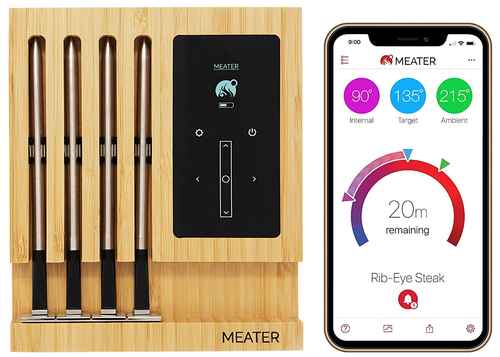
Determining whether carrots are perfectly cooked is both a science and an art. The most reliable method is the fork test: insert a fork or knife into the thickest part of a carrot. It should slide in easily with minimal resistance, indicating a tender interior without being mushy. Another indicator is visual appearance; cooked carrots will appear slightly darker, more translucent, and glistening with their natural juices. Smell can also guide you-a faintly sweet, caramel-like aroma is a sign that the natural sugars have released and the carrots are ready. Overcooked carrots, in contrast, often appear overly soft, dull in color, and may have a slightly grainy texture. Consistently monitoring them toward the end of the cooking window ensures optimal texture and flavor.
Ingredients Needed
Slow-cooked carrots are simple yet highly customizable. A basic ingredient list includes:
- Carrots: 1 to 2 pounds, peeled and sliced, chopped, or left whole
- Butter or olive oil: 1-2 tablespoons, to enhance richness and flavor
- Salt: ½ to 1 teaspoon, adjusted to taste
- Pepper: ¼ teaspoon, freshly ground
-
Optional Flavor Enhancers
- Fresh herbs such as thyme, rosemary, or parsley
- Garlic cloves, minced or sliced
- Honey or brown sugar for added sweetness
- Lemon zest or juice for a bright finish
- Stock (vegetable, chicken, or beef) to moisten and infuse flavor
This simple list allows for flexibility. Depending on your taste preference, you can create a rustic, earthy side dish or a slightly sweet, glazed carrot medley.
How To Cook Carrots In Slow Cooker
- Prep the carrots: Wash thoroughly and peel if desired. Slice or chop uniformly to ensure even cooking. Whole carrots should be similar in size for consistent results.
- Add ingredients to the slow cooker: Place the carrots in the slow cooker. Add butter or olive oil, salt, pepper, and any optional flavorings. If using liquid like stock, ensure there is about ¼ to ½ cup to prevent sticking and allow for steaming.
- Set the temperature: Use low heat for a gentle, even cook, or high heat for faster results.
- Cook and monitor: Cover the slow cooker with the lid. Avoid lifting the lid frequently, as this releases heat and extends cooking time.
- Check doneness: After the recommended cooking window, test the carrots with a fork. Adjust seasoning and add a touch of fresh herbs if desired.
- Serve: Gently toss the carrots with any remaining juices before serving. They pair beautifully with roasted meats, grains, or as a standalone side.
When Things Go Wrong
Even with slow cooking, mishaps can occur. Common issues include:
- Carrots too firm: Likely undercooked. Simply continue cooking, ensuring the slow cooker remains covered. Cutting carrots smaller can speed cooking.
- Carrots too mushy: Possibly overcooked, often due to high heat or extended cooking. Reduce future cooking time and consider adding firmer carrots for a mix of textures.
- Lack of flavor: Slow cooking intensifies natural sweetness but may dilute seasonings. Taste and adjust salt, pepper, and herbs toward the end of cooking.
- Dry or sticking carrots: May occur if insufficient liquid was added. A splash of stock, water, or even a pat of butter can restore moisture.
Expert Tips
- Uniform cuts ensure even cooking. Large discrepancies in carrot size can lead to some pieces being undercooked while others are mushy.
- Layer flavors: Add sturdy herbs like thyme early and delicate herbs like parsley at the end.
- Glazing for extra sweetness: Drizzle with honey or maple syrup in the last 30 minutes of cooking to avoid burning.
- Don’t overcrowd: Give carrots room to cook evenly. A crowded slow cooker may lead to steaming rather than slow roasting.
- Low and slow is ideal: For optimal sweetness and tenderness, stick to the low heat setting whenever possible.
Can I Do This Without A Slow Cooker?
Yes. Carrots can be cooked on the stovetop or in the oven with similar results:
- Stovetop: Simmer carrots in a covered pot with a little water or stock for 15-25 minutes, depending on size. Check frequently to avoid overcooking.
- Oven: Roast carrots at 375°F (190°C) for 25-40 minutes, tossing occasionally, until tender and caramelized.
While these methods work, the slow cooker uniquely allows for unattended, low-temperature cooking that enhances sweetness and depth of flavor over time.
Reheating Leftovers In Slow Cooker
Leftover slow-cooked carrots can be reheated gently to maintain texture and flavor. Place the carrots in the slow cooker, add a splash of water or stock if needed, cover, and heat on low for 30-60 minutes. Stir occasionally to ensure even warming. Avoid high heat, which can turn already tender carrots mushy. Properly stored, slow-cooked carrots last 3-5 days in the refrigerator and can be frozen for up to 2 months.
FAQs
How Should I Prepare Carrots Before Putting Them In A Slow Cooker?
Wash and peel the carrots thoroughly. You can leave them whole, slice them into rounds, or cut them into sticks depending on your recipe and desired cooking time. Smaller pieces will cook faster and absorb flavors more effectively.
Do I Need To Add Water Or Broth When Cooking Carrots In A Slow Cooker?
Yes, adding a small amount of liquid such as water, vegetable broth, or chicken broth helps prevent the carrots from drying out and allows for even cooking. Usually, 1/4 to 1/2 cup is sufficient for a standard slow cooker batch.
How Long Does It Take To Cook Carrots In A Slow Cooker?
Carrots generally take 2-3 hours on high or 4-6 hours on low in a standard slow cooker, depending on the size and thickness of the pieces. Whole carrots may take slightly longer.
Can I Cook Carrots With Other Vegetables In The Slow Cooker?
Yes, carrots pair well with potatoes, onions, celery, and parsnips. Keep in mind that different vegetables have different cooking times, so cut them into sizes that will allow them to cook evenly alongside the carrots.
Should I Add Seasonings Before Or After Cooking Carrots In A Slow Cooker?
It’s best to add most seasonings, such as herbs, salt, and pepper, before cooking so the flavors infuse the carrots. However, delicate herbs like parsley or cilantro can be added at the end to preserve their flavor.
Can I Make Glazed Carrots In A Slow Cooker?
Yes, slow cooker glazed carrots are easy. Combine carrots with butter, brown sugar or honey, and a pinch of salt. Cook on low for 4-5 hours until tender, stirring occasionally to coat evenly.
Will Carrots Become Mushy If Cooked Too Long In A Slow Cooker?
Yes, overcooking can cause carrots to become overly soft and mushy. To avoid this, monitor the cooking time closely and check for doneness using a fork. Adjust the cut size to control cooking speed.
Is It Better To Use Fresh Or Frozen Carrots In A Slow Cooker?
Fresh carrots are preferred for texture and flavor, but frozen carrots can be used in a pinch. Reduce the cooking time slightly with frozen carrots to avoid overcooking, as they are partially cooked during freezing.
Can I Cook Carrots In A Slow Cooker Without Covering Them?
No, covering the slow cooker is important to retain heat and moisture. Cooking uncovered can result in unevenly cooked, dry, or burnt carrots.
How Can I Make Slow Cooker Carrots More Flavorful?
Enhance flavor by adding aromatics like garlic, onions, or herbs, using broth instead of water, and finishing with a drizzle of olive oil or a squeeze of citrus juice before serving. Slow cooking allows the carrots to absorb these flavors deeply.